
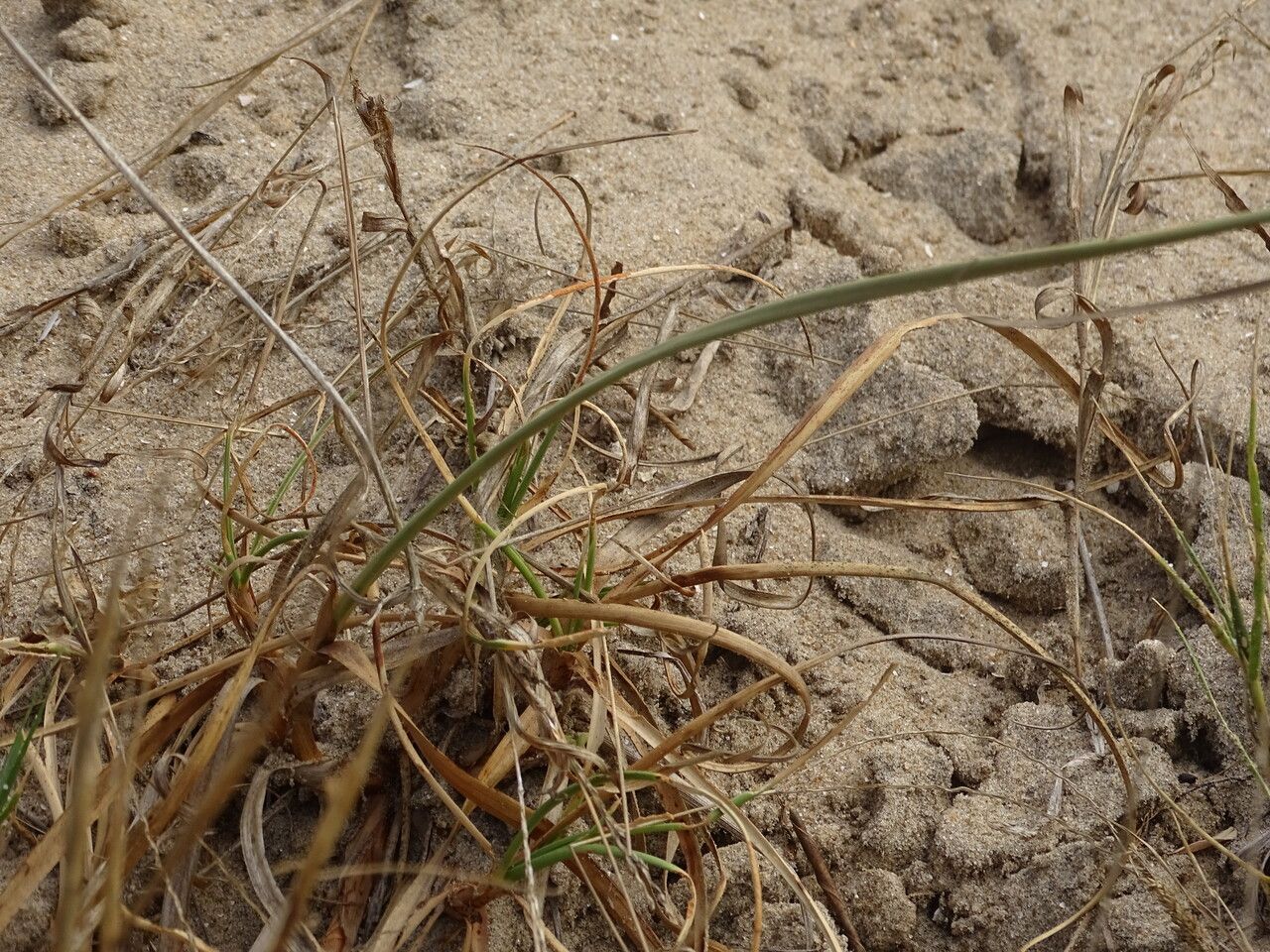
Propagating Cyperus crassipes: A Guide to Cultivating the Thick-Stemmed Flatsedge
Cyperus crassipes, commonly known as the thick-stemmed flatsedge or, less commonly, the papyrus sedge, is a striking aquatic or semi-aquatic plant prized for its attractive, umbrella-like clusters of foliage. Its robust nature and tolerance for various water conditions make it a popular choice among water garden enthusiasts. However, propagation can present some unique challenges. This article explores the various methods available, outlining their successes and difficulties.
Seed Germination:
Currently, there are no known reliable methods for seed germination propagation of Cyperus crassipes. While the plant does produce seeds, their germination rates are extremely low, and successful propagation through this method has not been widely reported in horticultural literature. Further research into specific germination requirements, including stratification or other pre-treatments, might reveal viable techniques in the future.
Cuttings:
Cuttings offer a more promising approach to propagating Cyperus crassipes.
Challenges: The success rate relies heavily on the health and maturity of the parent plant. Using cuttings from young, vigorously growing stems will yield better results. Root rot is a significant risk, particularly if the cutting is not placed in appropriately moist but well-drained conditions.
Practical Tips: Select healthy, non-flowering stems about 10-15 cm long. Remove the lower leaves to prevent rotting. Dip the cut end in a rooting hormone before planting in moist, well-draining propagation mix (a blend of peat moss, perlite, and sand is ideal). Maintain consistently moist (not soggy) conditions and high humidity. Consider covering the cuttings with a clear plastic dome or bag to maintain humidity.
Rewards: Cuttings propagation is relatively straightforward and allows for reasonably quick multiplication of desirable plants.
Division:
Division is arguably the most reliable and widely used method for propagating Cyperus crassipes.
Challenges: The plant needs to be of adequate size for successful division. Care must be taken not to damage the rhizomes during division, as this can severely weaken the plants, impacting their establishment and growth.
Practical Tips: The best time for division is during the active growth period in spring or early summer. Dig up the established plant carefully and gently separate the rhizomes with a sharp, clean knife or spade, ensuring each division has a healthy portion of rhizomes and foliage. Replant the divisions immediately, ensuring adequate spacing and providing suitable growing conditions.
Rewards: Division offers a high success rate and is a relatively quick method for producing multiple plants. It maintains the genetic characteristics of the parent plant.
Tissue Culture:
Tissue culture offers the potential for mass propagation of Cyperus crassipes and the development of disease-free plants.
Challenges: Tissue culture requires specialized equipment, sterile conditions, and a good understanding of plant tissue culture techniques. Establishing a suitable culture medium and selecting appropriate plant explants are crucial for successful propagation.
Practical Tips: This method is best left to professionals or experienced hobbyists with access to a suitable laboratory and equipment. Many universities and research institutions provide tissue culture services.
Rewards: Tissue culture allows for large-scale propagation, the production of disease-free planting material, and the potential for genetic improvement through selection.
Conclusion:
Propagating Cyperus crassipes offers varying degrees of challenge depending on the method chosen. While seed germination remains unreliable, cuttings and particularly division offer practical and achievable methods for the average gardener. Tissue culture presents a more advanced, high-yield option for commercial or serious hobbyists. The satisfaction of successfully cultivating this striking plant, overcoming the unique hurdles involved, is a rewarding experience that underscores the joy and challenge of plant propagation. Don’t be discouraged by initial setbacks; experimentation and patience are key to mastering the propagation of this beautiful aquatic plant.