
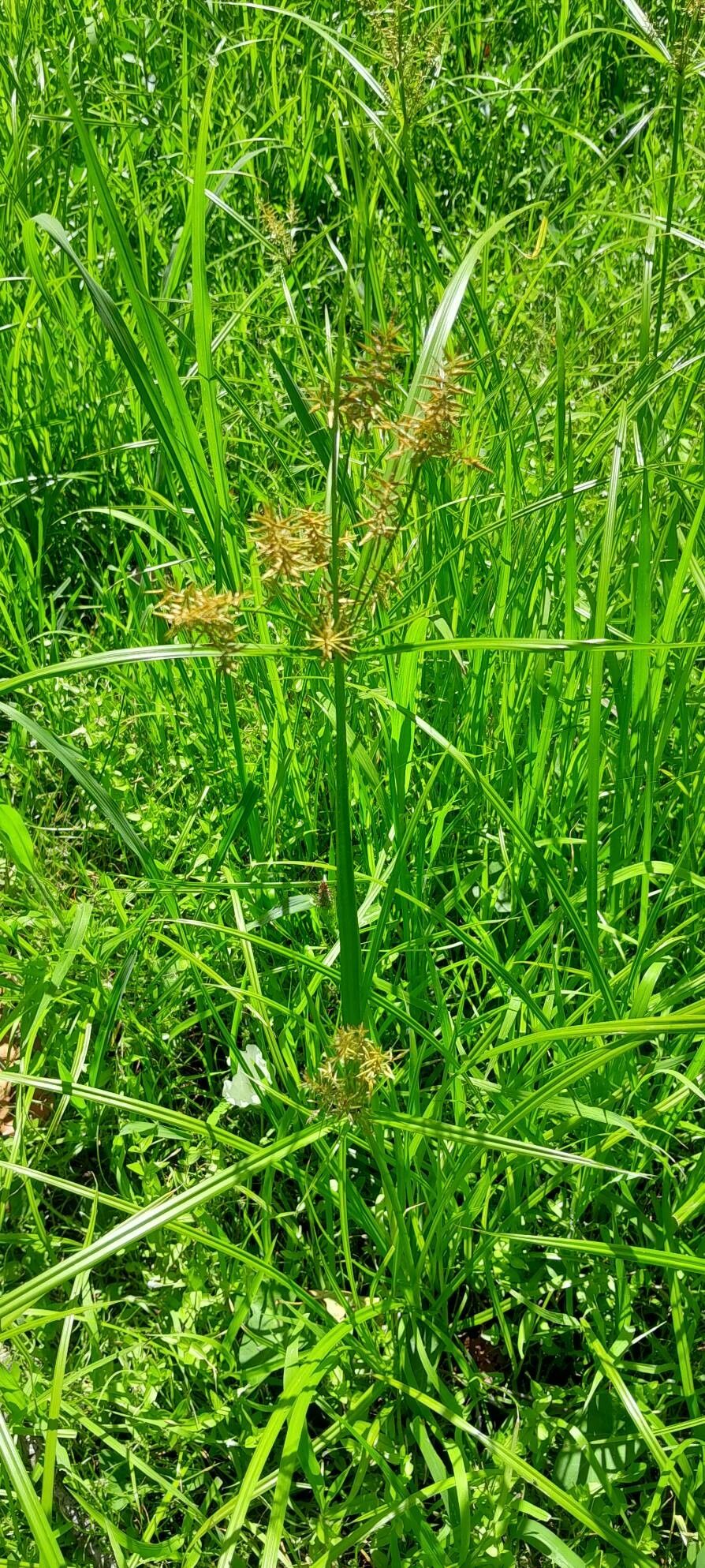
Propagating Cyperus esculentus: The Challenges and Rewards of Growing Tiger Nuts
Introduction
Cyperus esculentus, commonly known as tiger nut, chufa sedge, or earth almond, is a perennial sedge prized for its edible tubers, a nutritious and flavorful alternative to traditional nuts. Its relatively low maintenance and adaptability to various soil conditions contribute to its growing popularity among home gardeners and small-scale farmers. However, propagating this plant presents unique challenges compared to many other garden species. This article explores the various methods available for propagating Cyperus esculentus, weighing their complexities and potential rewards.
Seed Germination
Currently, there are no known reliable methods for seed germination propagation of Cyperus esculentus. While the plant produces seeds, their germination rate is exceptionally low, often proving impractical for widespread propagation. Extensive research hasn’t yielded consistent success in overcoming the dormancy challenges associated with these seeds.
Cuttings
Propagating Cyperus esculentus from cuttings is also unreliable. Stem cuttings, even when treated with rooting hormones, generally fail to produce viable plants. The plant’s reliance on its underground tuber system for vegetative propagation makes stem cuttings a largely ineffective method.
Division
Division is the most successful and commonly employed method for propagating tiger nuts. This involves carefully separating the interconnected tubers and rhizomes of a mature plant. Each section, containing a healthy piece of rhizome and at least one or two tubers, can be replanted to establish a new plant.
Challenges: Ensuring each division contains sufficient growth points is crucial for successful establishment. Overly small divisions may struggle to thrive. Damage to the rhizome during separation can also hinder growth.
Practical Tips: The best time for division is during dormancy or early spring. Use a sharp, clean tool to minimize damage. Plant the divisions at a similar depth as the original plant, ensuring good soil contact.
Rewards: Division offers a relatively straightforward method, reliably producing new plants that are genetically identical to the parent plant, preserving desirable traits. This is particularly useful for maintaining superior cultivars.
Tissue Culture
Tissue culture offers a potential, albeit technically complex and expensive, method for propagating Cyperus esculentus. It allows for the rapid multiplication of superior genotypes and the production of disease-free planting material.
Challenges: Establishing sterile conditions and mastering the specific nutrient and hormonal requirements for successful tissue culture of Cyperus esculentus requires specialized knowledge and equipment. This is not a readily accessible method for most home gardeners.
Practical Tips: This method is best left to specialized laboratories or researchers focusing on plant propagation.
Rewards: High multiplication rates, disease-free plantlets, and the potential for large-scale propagation make tissue culture a powerful tool for commercial production and germplasm conservation.
Conclusion
Propagating Cyperus esculentus presents a unique set of challenges. While seed germination and cuttings prove largely ineffective, division remains the most practical method for most growers. Tissue culture offers immense potential for large-scale propagation but requires specialized expertise and resources. Despite the hurdles, the satisfaction derived from successfully cultivating this unique plant, from the small act of dividing a tuber to tending to a thriving patch, is richly rewarding. If you are an aspiring propagator, start with division; understand that patience and a gentle touch are key to propagating these plants effectively. The delicious harvest of tiger nuts will be a sweet reward for your efforts.