
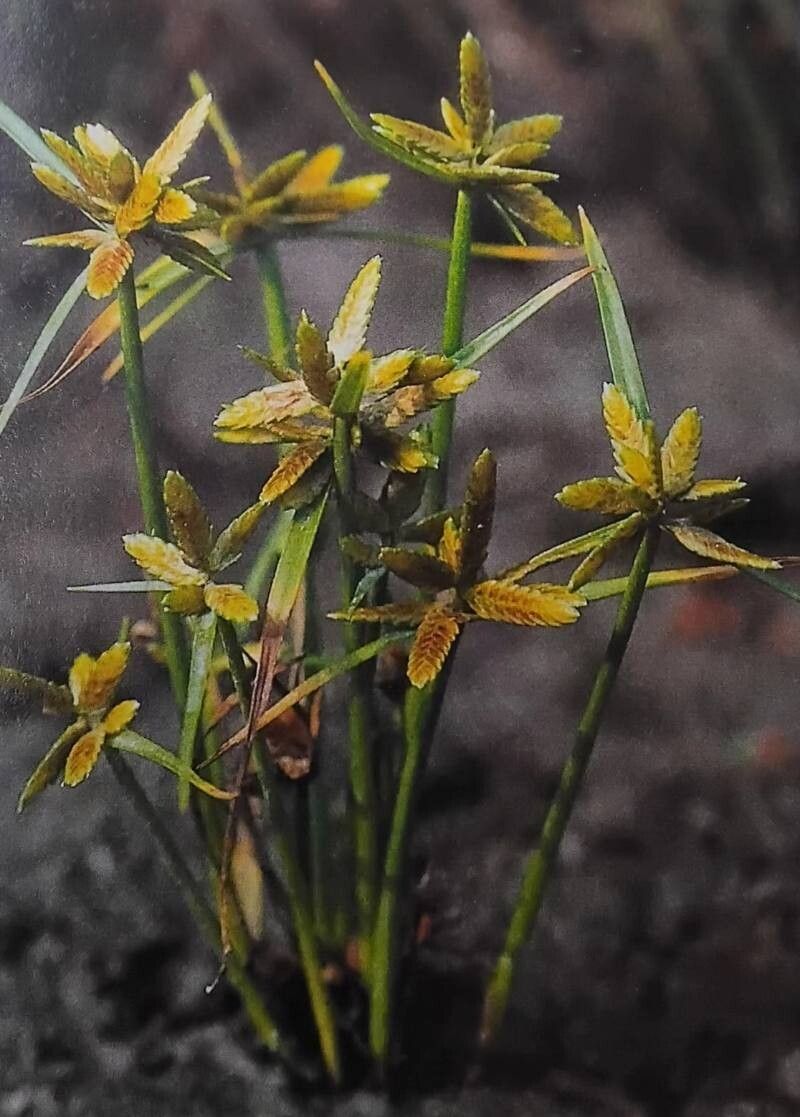
Propagating Cyperus flavescens: A Gardener’s Guide to the Yellow Nutsedge
Cyperus flavescens, commonly known as yellow nutsedge or golden flatsedge, is a charming aquatic or semi-aquatic plant prized for its delicate, bright green foliage and attractive, umbel-shaped flower clusters. Its tolerance for a range of moisture levels and relatively low maintenance requirements contribute to its popularity among gardeners, especially for water gardens and boggy areas. However, its propagation can present unique challenges. This article explores various methods, weighing their successes and difficulties.
Seed Germination:
Currently, there are no known reliable methods for seed germination propagation of Cyperus flavescens. While the plant does produce seeds, their viability and germination rate are extremely low, making this a generally impractical method for propagation. Further research into specific germination requirements might be fruitful, but currently, this route is not recommended for average gardeners.
Cuttings:
Cuttings offer a moderately successful method for propagating Cyperus flavescens.
Challenges: Success rates can vary depending on the age and health of the parent plant and the conditions provided. The cuttings are prone to rotting if not planted in well-draining, moist, not waterlogged, media.
Practical Tips: Take stem cuttings of approximately 10-15cm length, ensuring at least two nodes are included. Remove the lower leaves to prevent rotting. Plant these cuttings in a moist, well-draining mixture of peat moss and perlite or a similar substrate. High humidity is beneficial; covering the cuttings with a plastic bag or cloche can help maintain moisture levels. Keep the substrate consistently moist but not waterlogged.
Rewards: Cuttings provide a relatively quick and easy method to increase your stock of Cyperus flavescens. It’s a straightforward technique that requires less specialized equipment than other methods.
Division:
Division is arguably the most reliable and widely used method for propagating Cyperus flavescens.
Challenges: Divisions must be large enough to contain sufficient root and stem tissue to ensure survival. Overly small divisions may struggle to establish themselves.
Practical Tips: Division is best undertaken during the active growing season (spring or early summer). Carefully dig up the mature plant and gently separate the rhizomes into smaller clumps, each containing several shoots and a good portion of root system. Replant these divisions immediately, ensuring they are placed at the same depth as the original plant and kept moist.
Rewards: Division offers a high success rate and is an efficient way to multiply plants, particularly when dealing with established, mature specimens. It also directly propagates an identical genetic clone.
Tissue Culture:
Tissue culture offers a potentially high-yield method but requires specialized skills, equipment, and sterile conditions.
Challenges: Establishing sterile conditions, maintaining the culture media, and preventing contamination are significant challenges that require substantial expertise and investment. This method is best suited to commercial growers or serious hobbyists with experience in plant tissue culture.
Practical Tips: Sterile techniques are paramount. Explant selection, media preparation, and incubation conditions must be meticulously controlled. Several different hormone combinations may need to be experimented with for optimal growth.
Rewards: Tissue culture offers the potential for rapid mass propagation, producing a large number of genetically identical plants from a small initial sample. This is particularly useful for preserving rare cultivars or for large-scale commercial production.
Conclusion:
Propagating Cyperus flavescens presents a range of challenges and rewards depending on the chosen method. While seed germination proves unreliable, cuttings offer a moderately successful and accessible approach. Division stands as the most straightforward and efficient technique for most gardeners. Tissue culture, although significantly more complex, holds immense potential for large-scale propagation. The unique satisfaction in successfully propagating this beautiful plant lies in overcoming the hurdles and witnessing the growth of these new, vibrant additions to your garden. While the road may require patience and attention to detail, the rewarding outcome makes the journey well worth it for any dedicated plant enthusiast. Don’t be discouraged by initial setbacks—persistence and careful observation are key ingredients to success.