
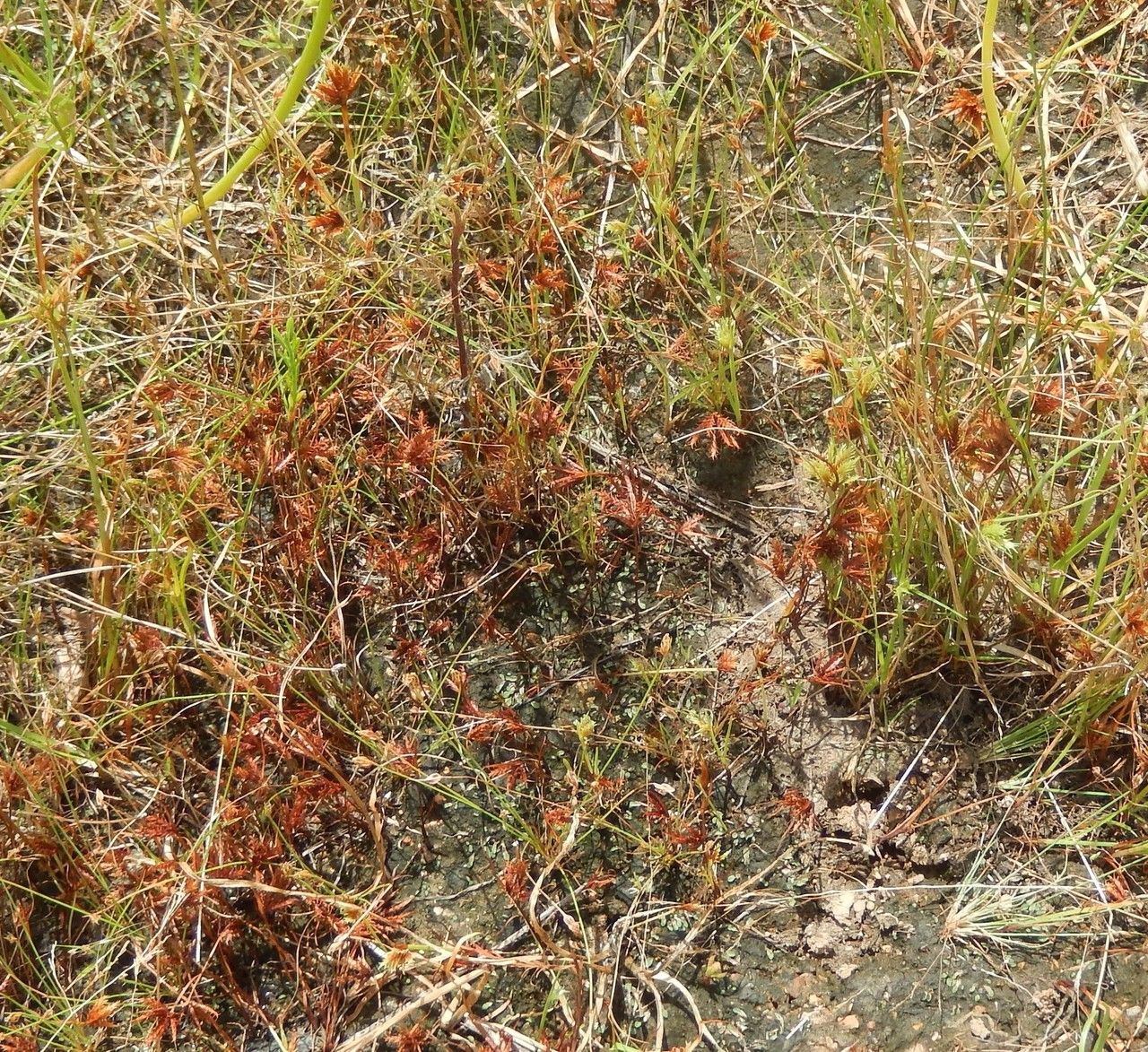
Granite Haven: Unlocking the Secrets to Propagating Cyperus granitophilus
The Cyperus granitophilus, commonly known as the granite flatsedge, isn’t your average houseplant. This rare beauty, with its elegant arching foliage and fascinating preference for rocky habitats, might seem like a challenging plant to propagate. But fear not, fellow plant enthusiasts – with a little knowledge and effort, you too can welcome more of these unique sedges into your home or garden.
Understanding the Granite Dweller:
Before we delve into propagation, let’s get acquainted with this unusual sedge. Hailing from the southeastern United States, Cyperus granitophilus thrives in the thin, acidic soils found on granite outcrops. These specialized environments provide excellent drainage, which is crucial for the plant’s well-being.
While not as readily available in garden centers as its more common cousins, the good news is that Cyperus granitophilus can be propagated through two primary methods:
1. Division:
This method capitalizes on the plant’s natural clumping habit. Here’s how to do it:
- Timing is Key: Spring or early summer, as the growing season begins, is the ideal time to divide.
- Gentle Hands: Carefully remove your mature Cyperus granitophilus from its pot.
- Divide and Conquer: Using clean, sharp shears or a knife, separate the plant into smaller sections, ensuring each section has a healthy root system.
- Repotting: Choose well-draining potting mix, ideally one blended for cacti and succulents. Plant the divisions at the same depth they were previously growing.
- TLC: Water thoroughly after planting and provide bright, indirect light.
2. Seeds:
Though slightly less predictable, propagating from seed offers a rewarding challenge:
- Source Your Seeds: Obtain fresh seeds from reputable sources, as viability can decline over time.
- Prepare the Seedbed: Use a seed starting mix that is well-draining and lightly moisten it.
- Sow and Cover: Sprinkle the seeds on the surface, pressing them gently into the soil without burying them deeply.
- Create a Humid Haven: Cover the seed tray with a clear lid or plastic wrap to create a greenhouse-like environment.
- Patience is Key: Germination can be sporadic and take several weeks. Maintain consistent moisture and bright, indirect light.
- Transplanting Time: Once seedlings have developed several true leaves, they can be carefully transplanted into individual pots.
Tips for Success:
- Drainage is Paramount: Regardless of the propagation method, mimicking the Cyperus granitophilus’s natural habitat is key. Choose pots with ample drainage holes and use a well-draining soil mix.
- Light it Up: Bright, indirect light is ideal. Avoid prolonged exposure to direct sunlight, which can scorch the delicate foliage.
- Water Wisely: Allow the soil to dry slightly between waterings, but don’t let it completely dry out. Overwatering can lead to root rot.
Propagating Cyperus granitophilus is a fulfilling endeavor for any plant lover. By understanding its unique needs and following these guidelines, you can expand your collection of this captivating sedge and enjoy its understated beauty for years to come.