
Propagating Cyperus haspan: A Gardener’s Guide to the Umbrella Sedge
Introduction:
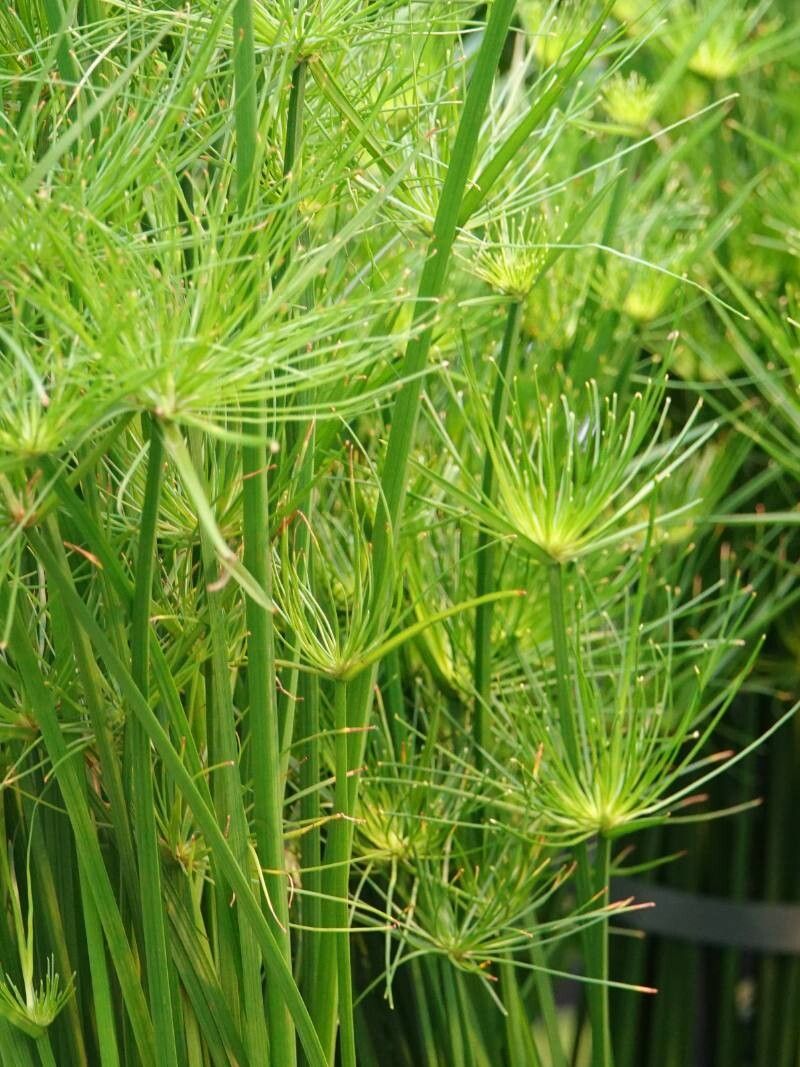
Cyperus haspan, commonly known as umbrella sedge or umbrella plant, is a captivating aquatic or semi-aquatic plant prized for its distinctive, umbrella-like inflorescences. Native to tropical and subtropical regions, its feathery foliage and elegant flower heads make it a popular choice for water gardens, bog gardens, and even indoor containers. While visually stunning, propagating Cyperus haspan can present some unique challenges, making successful cultivation all the more rewarding. Its popularity with gardeners is largely due to its adaptability and the inherent beauty of its unusual growth habit. However, relying solely on readily available plants limits genetic diversity, prompting interest in various propagation techniques.
Seed Germination:
Currently, there are no known reliable methods for seed germination propagation of Cyperus haspan. While the plant does produce seeds, their germination rate is extremely low, and successful germination under controlled conditions has not been widely reported or documented. Further research is needed to determine optimal germination conditions, if any exist.
Cuttings:
Cuttings offer a relatively straightforward method for propagating Cyperus haspan.
- Challenges: While successful, rooting cuttings requires maintaining consistently high humidity and moisture levels to prevent desiccation. Using older, more established stems may yield better results.
- Practical Tips: Take stem cuttings approximately 4-6 inches long, removing the lower leaves. Plant several cuttings in a well-draining potting mix kept consistently moist (but not waterlogged). Cover the cuttings with a clear plastic bag or humidity dome to maintain high humidity. Place in bright, indirect light. Rooting hormones may be used to increase success rates. Bottom heat can also aid in root development.
- Rewards: Cuttings provide a quick and simple method for increasing the number of plants, and the resulting plants are genetically identical to the parent plant. This is advantageous for preserving desirable traits.
Division:
Division is arguably the most reliable and widely practiced method of propagating Cyperus haspan.
- Challenges: Overly aggressive division can damage the rhizomes and weaken the plants. It is best done during the active growing season (spring or early summer).
- Practical Tips: Carefully lift the mature plant from its container or growing location. Gently separate the rhizomes into smaller clumps, ensuring each division possesses a healthy portion of roots and foliage. Replant the divisions immediately in suitable moist soil or aquatic conditions.
- Rewards: Division is a simple and effective method that allows for rapid propagation. It is generally very successful and less technically demanding than other methods.
Tissue Culture:
Tissue culture propagation of Cyperus haspan is a possibility, but remains highly specialized and not commonly practiced by home cultivators.
- Challenges: This technique requires specialized equipment, sterile laboratory conditions, and expertise in plant tissue culture procedures. The establishment of aseptic cultures and the subsequent propagation of plantlets can be challenging.
- Practical Tips: This method would involve sterilizing plant tissues, placing them on nutrient agar, and promoting shoot and root development. This needs to be done in a sterile environment to prevent contamination. Specialized knowledge and facilities are required.
- Rewards: Tissue culture offers a high potential for mass propagation and disease-free plant production. It allows for the rapid multiplication of elite plant material and also offers a platform for genetic improvement programs.
Conclusion:
Propagating Cyperus haspan presents a range of challenges and rewards depending on the chosen method. Seed germination currently seems infeasible, but cuttings offer a relatively straightforward approach for home gardeners. Division is the most dependable method for general propagation, offering a high success rate with minimal specialized equipment. Tissue culture presents immense potential but demands specialized knowledge and facilities.
Successfully propagating Cyperus haspan allows one to enjoy the graceful beauty of these plants in greater abundance and to share them with others. While the initial effort may seem demanding, particularly with cuttings or potentially attempting tissue culture, the satisfaction of nurturing these plants from a cutting or division, or overcoming the difficulties in this plant’s propagation, greatly outweighs the investment of time and effort. Remember to always research specific conditions for success and remain patient; the unique charm of the umbrella sedge is worth the endeavor.