
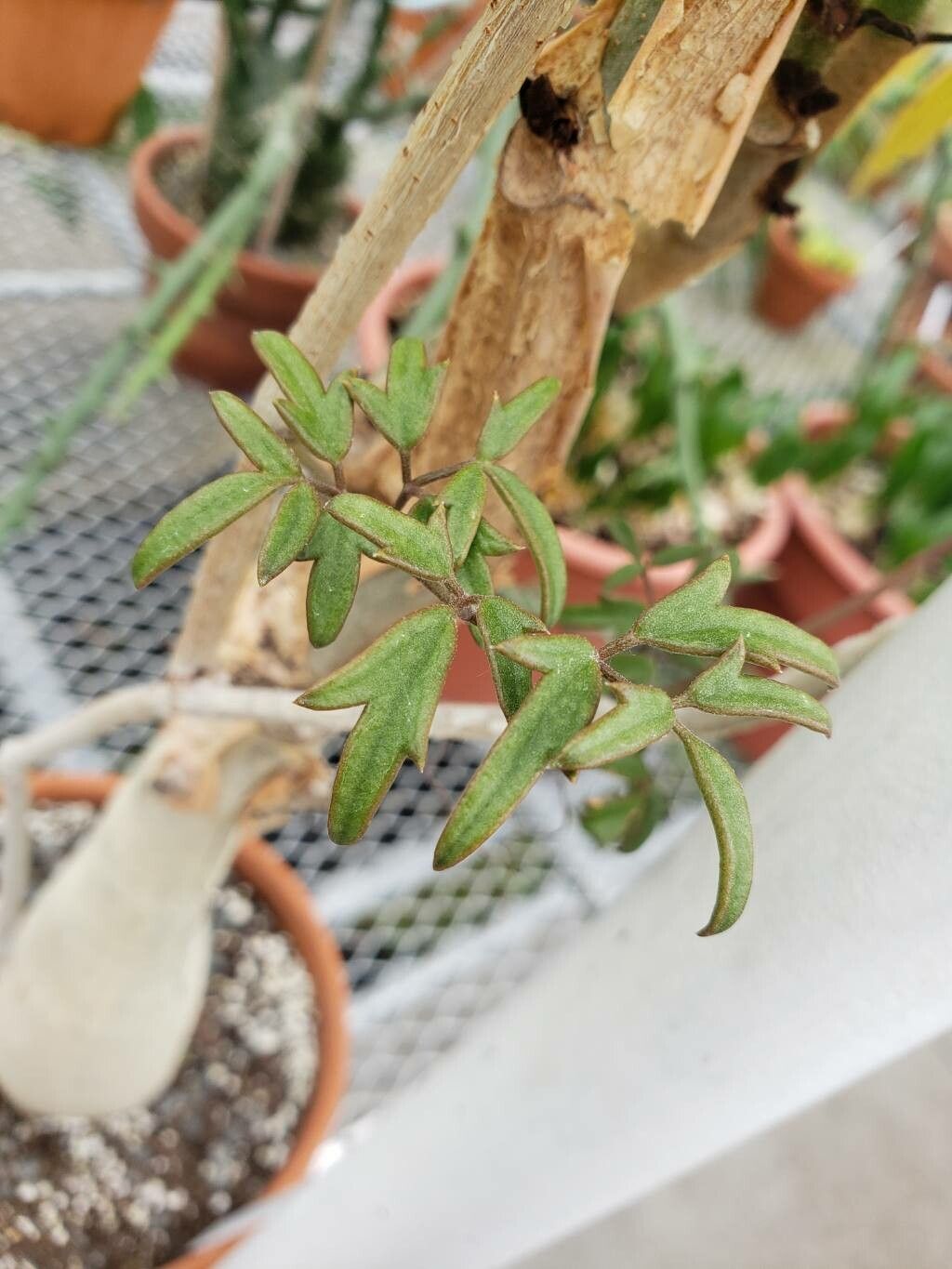
Taming the “Elephant’s Foot”: A Guide to Propagating Cyphostemma elephantopus
The Cyphostemma elephantopus, affectionately nicknamed the “Elephant’s Foot” plant, is a sight to behold. Its most captivating feature is undoubtedly its massive, water-storing caudex, resembling, you guessed it, an elephant’s foot! This intriguing succulent, native to the arid regions of Southern Africa, adds a touch of the exotic to any plant collection.
If you’re smitten with the Elephant’s Foot and wish to multiply your green companions, you’re in luck! Propagating this unique succulent is achievable and rewarding. Let’s explore the two main methods:
1. Seed Propagation: An Adventure in Patience
For those who enjoy witnessing the entire growth journey, seed propagation offers a fulfilling challenge. Here’s how to embark on this botanical adventure:
- Source your seeds: Reputable online succulent nurseries are your best bet for sourcing Cyphostemma elephantopus seeds.
- Prepare a well-draining mix: The key to healthy succulent seedlings is proper drainage. Create a mix using equal parts perlite, coarse sand, and succulent or cactus potting mix.
- Sow your seeds: Sprinkle the seeds sparsely over the surface of the moist (not soggy) potting mix. Don’t bury them; simply press them lightly into the surface.
- Create a warm, humid environment: Cover the container with a plastic wrap or humidity dome to retain moisture and warmth. Place it in a bright location, but avoid direct sunlight.
- Patience is key: Germination can take a few weeks to several months. Be patient, and ensure the soil remains lightly moist throughout.
- Transplant with care: Once the seedlings develop a couple of sets of true leaves, they can be carefully transplanted into individual pots.
2. Cutting Propagation: A Faster Path to Success
If you’re after quicker results, propagating from cuttings is the way to go. This method utilizes the plant’s ability to regenerate from stem sections:
- Select a healthy stem: Choose a firm, healthy stem from your Cyphostemma elephantopus. Ideally, it should be at least 4-6 inches long.
- Allow the cutting to callus: Using a sharp, clean knife, make a clean cut just below a leaf node. Let the cut end dry for a few days until a callus forms. This helps prevent rot.
- Prepare your pot and soil: Use the same well-draining soil mix as you would for seeds.
- Plant the cutting: Insert the callused end of the cutting about an inch deep into the soil. Gently firm the soil around it to provide support.
- Water sparingly and wait: Place the pot in bright, indirect light and water sparingly. Overwatering is the biggest threat, so only water when the soil is completely dry.
- Rooting success: Within a few weeks, your cutting should begin to root and show signs of new growth.
Essential Tips for Propagation Success:
- Patience is paramount: Both methods require patience. Don’t be discouraged if you don’t see immediate results.
- Avoid overwatering: Cyphostemma elephantopus are highly susceptible to root rot. Always err on the side of underwatering.
- Light is vital: Provide your seedlings or cuttings with plenty of bright, indirect light.
- Temperature matters: These succulents thrive in warm temperatures (70-85°F or 21-29°C).
- Fertilize sparingly: Once your plantlets are established, fertilize them lightly with a diluted, balanced fertilizer during the growing season.
Propagating your Cyphostemma elephantopus, whether from seed or cuttings, is a rewarding experience. By following these guidelines, you can expand your collection and enjoy the unique beauty of these captivating “Elephant’s Foot” plants for years to come.