
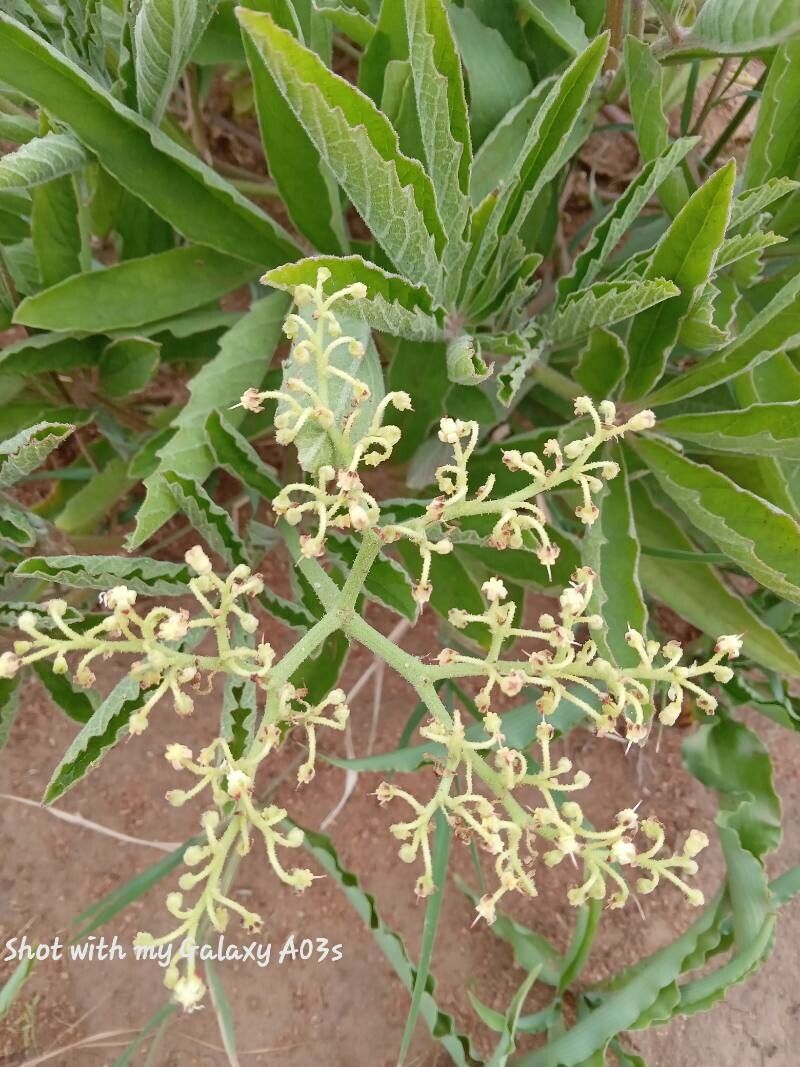
Taming the Tiny Dragon: A Guide to Propagating Cyphostemma Serpens
The Cyphostemma serpens, with its sprawling, dragon-like caudex and delicate leaves, is a captivating addition to any succulent enthusiast’s collection. This miniature wonder, native to Southern Africa, isn’t just visually appealing; it’s also surprisingly easy to propagate. So, if you’re looking to multiply your “serpent vine” or share its unique charm with a fellow plant lover, read on!
Understanding the Serpent:
Before diving into propagation, it’s helpful to understand this intriguing succulent. The Cyphostemma serpens stores water in its fat, gnarled base, the caudex, giving it a whimsical, bonsai-like appeal. While it can be grown from seed, propagation through cuttings offers a faster and often more successful approach.
1. Stem Cuttings:
- Timing is Key: The ideal time for taking stem cuttings is during the plant’s active growing season, typically spring or early summer. Look for healthy, firm stems with at least two leaf nodes.
- Clean Cut: Use a sharp, sterilized blade to make a clean cut just below a leaf node. Allow the cutting to callus over for a few days in a cool, dry place. This prevents rot when planted.
- Planting the Cutting: Prepare a well-draining potting mix specifically for succulents or cacti. Dip the calloused end of the cutting in rooting hormone (optional but beneficial) and gently insert it into the moist potting mix.
- Patience You Must Have: Place the potted cutting in a brightly lit area, avoiding direct sunlight. Mist the soil sparingly whenever it feels dry to the touch. Rooting can take anywhere from a few weeks to a couple of months. Be patient and avoid overwatering.
2. Caudex Cuttings:
While more uncommon and slightly riskier, experienced growers can propagate Cyphostemma serpens from caudex cuttings.
- Cautious Cuts: Using a sterilized blade, carefully cut a section of the caudex ensuring it has at least one growth point (a bump or nodule).
- Callusing is Crucial: Allow the caudex cutting to callus for a longer period, sometimes up to a week, in a cool, dry place. This step is vital to prevent fungal infections.
- Potting Up: Follow the same planting instructions as with stem cuttings, ensuring the potting mix is well-draining and only slightly moist.
Nurturing Your New Plants:
Once your cuttings show signs of new growth, you’ll know they’ve successfully rooted. You can then gradually acclimate them to brighter light and reduce watering frequency.
Tips for Success:
- Sharp and Sterile: Always use a sharp, sterilized blade for taking cuttings to prevent disease.
- Well-Draining Soil: A porous, well-draining potting mix is crucial to avoid root rot, which is often fatal for succulents.
- Bright, Indirect Light: Choose a location with bright, indirect light for optimal growth.
- Less is More: Overwatering is the enemy! Allow the soil to dry completely between waterings.
Propagating Cyphostemma serpens can be a rewarding experience. With a little patience and care, you can successfully multiply your collection of these fascinating little “dragons” and share the joy of succulent gardening with others.