
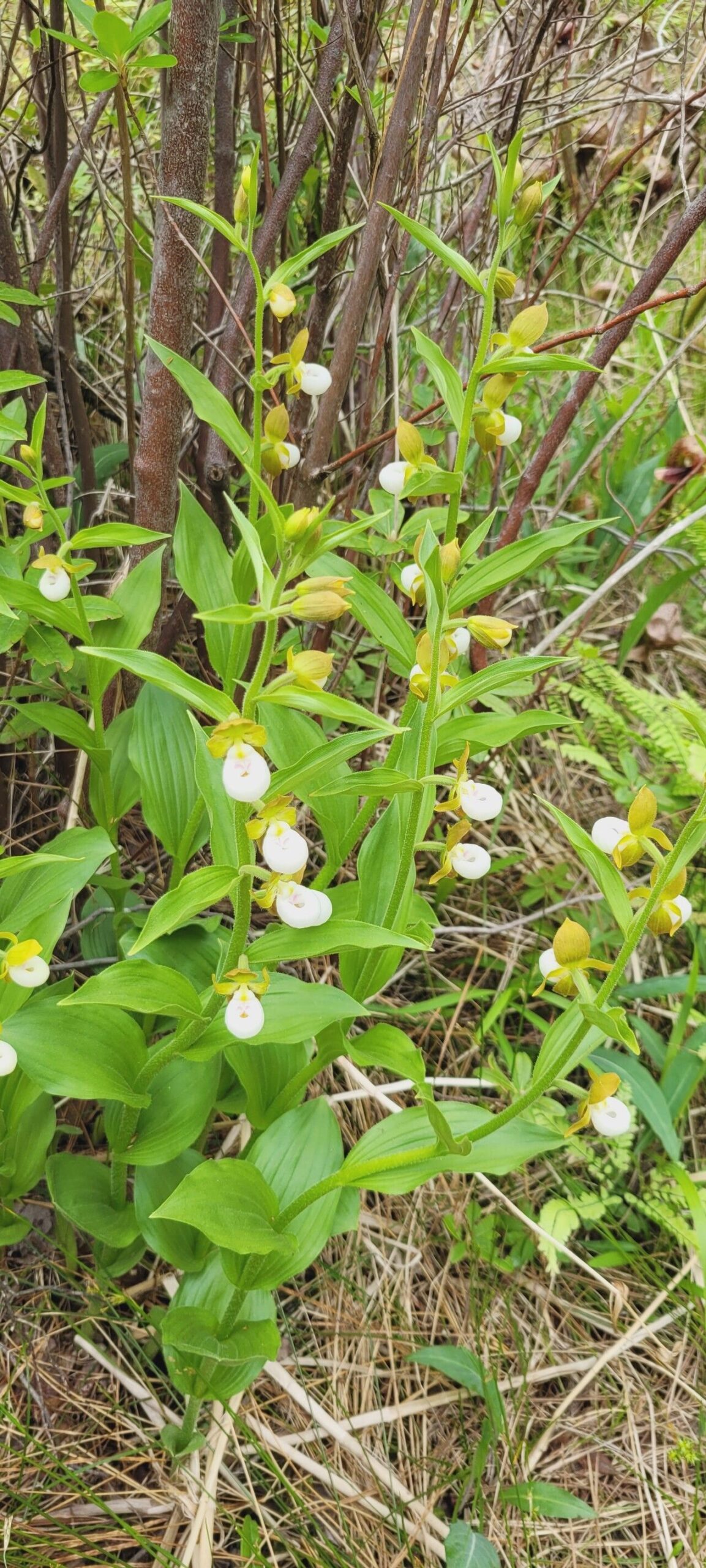
Unveiling the Mystery: Propagating the Elusive California Lady’s Slipper (Cypripedium californicum)
The California Lady’s Slipper (Cypripedium californicum) is a sight to behold. This rare orchid, with its cascading clusters of golden-yellow slipper-shaped blooms, is a treasure of the Californian wilderness. While admiring its beauty in its natural habitat is always encouraged, some dedicated enthusiasts might wonder, “Can I grow this captivating orchid myself?”
The answer is a cautious “yes,” but be warned, propagating Cypripedium californicum is a challenging endeavor, not for the faint of heart. Unlike your average houseplant, this orchid relies on a complex symbiotic relationship with specific mycorrhizal fungi for survival, making traditional propagation methods like cuttings or divisions largely unsuccessful.
So, how can you attempt to propagate this botanical gem?
1. Seed Germination with a Mycorrhizal Boost:
The most viable method involves replicating the orchid’s natural lifecycle. This means obtaining seeds and germinating them in a controlled environment with the help of the right mycorrhizal fungi. Here’s a breakdown:
- Seed Source: Obtain seeds ethically from reputable suppliers specializing in native orchids or through authorized conservation programs. Harvesting seeds from the wild is strongly discouraged as it threatens this vulnerable species.
- Fungal Partnership: Purchase a mycorrhizal inoculant specifically designed for terrestrial orchids, ideally one known to be compatible with Cypripedium species.
- Germination Medium: Create a sterile and well-draining mix using ingredients like peat moss, vermiculite, and perlite.
- Sowing and Patience: Sprinkle seeds on the surface of the moistened medium, avoiding burying them. Introduce the mycorrhizal inoculant according to the product instructions. Maintain a humid environment and be patient – germination can take months or even years!
2. Division – Proceed with Caution:
While possible, dividing mature Cypripedium californicum clumps should only be attempted by experienced growers. The process is delicate and requires a deep understanding of the plant’s root system and its fungal partner. If attempting division:
- Timing is Key: Divide in early spring or fall when the plant is dormant.
- Careful Extraction: Gently unearth the clump and carefully separate it into sections, ensuring each division has healthy roots and visible mycorrhizal associations.
- Replant with Care: Replant divisions swiftly in a suitable growing medium, maintaining the original planting depth and providing consistent moisture.
Words of Wisdom for Aspiring Propagators:
- Research is Paramount: Before embarking on this journey, delve deeper into the specific needs of Cypripedium californicum. Join orchid societies, consult expert resources, and arm yourself with knowledge.
- Patience is a Virtue: Propagating this orchid is a test of patience. Don’t be disheartened by slow progress – even experienced growers face setbacks.
- Conservation First: Always prioritize ethical sourcing and responsible cultivation practices to safeguard this remarkable species for future generations.
Propagating the exquisite Cypripedium californicum is an accomplishment reserved for dedicated and patient enthusiasts. While success is not guaranteed, the journey itself offers a unique opportunity to connect with the wonders of the natural world. Remember, the best way to ensure the survival of this captivating orchid is to support conservation efforts and admire its beauty responsibly in its wild habitat.