
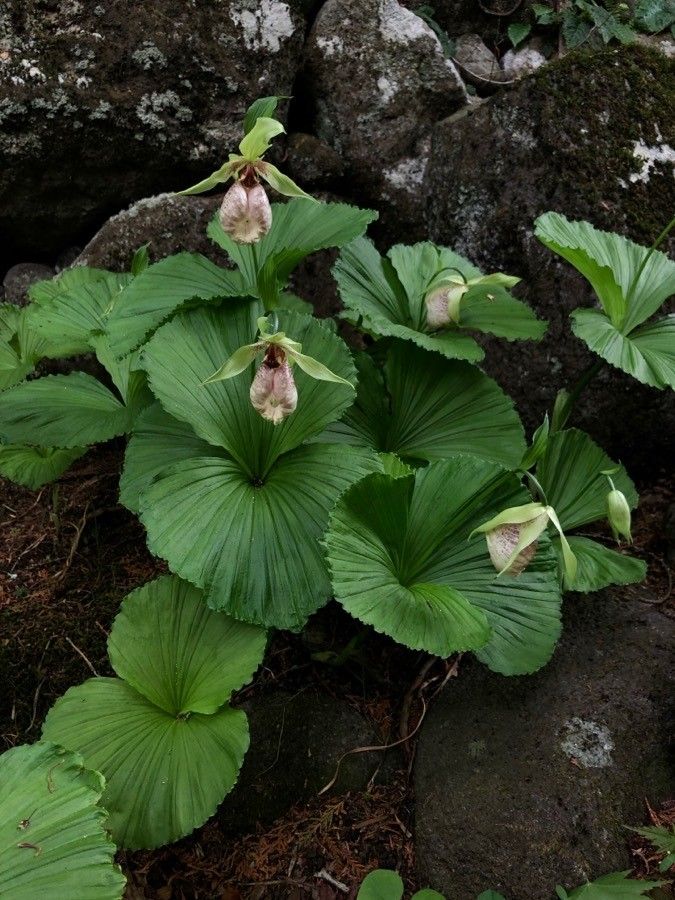
Propagating the Japanese Lady’s Slipper Orchid (Cypripedium japonicum): A Gardener’s Guide
Introduction:
Cypripedium japonicum, commonly known as the Japanese Lady’s Slipper Orchid, is a captivating terrestrial orchid prized for its delicate beauty. Its creamy-white petals, punctuated by a captivating reddish-purple pouch (the characteristic slipper), make it a highly sought-after addition to any orchid collection or woodland garden. However, its propagation presents unique challenges, making successful cultivation a rewarding yet demanding endeavor for even experienced gardeners. Its rarity in cultivation further heightens its desirability, fueling interest in exploring various propagation techniques.
Seed Germination:
Currently, there are no known reliable methods for seed germination propagation of Cypripedium japonicum. The seeds of this orchid are extremely fine and lack endosperm, requiring a symbiotic relationship with specific mycorrhizal fungi for germination and early development. Establishing this symbiotic relationship in a controlled environment is incredibly difficult, and success rates remain extremely low, even in specialized laboratories.
Cuttings:
Cuttings are not a viable method for propagating Cypripedium japonicum. Unlike some other plants, this orchid does not readily produce new plants from stem or leaf cuttings.
Division:
Division is the most commonly practiced, and generally the most successful, method for propagating Cypripedium japonicum. However, it’s crucial to approach this carefully.
Challenges: Mature C. japonicum plants typically develop slowly, forming clumps over many years. Division should only be attempted on large, established clumps, ensuring each division retains a significant root system and several healthy growth points. Dividing too frequently or too aggressively can severely weaken or even kill the parent plant.
Practical Tips: The best time for division is in spring or early autumn, after flowering. Use a sharp, sterile knife or spade to carefully separate the rhizomes, ensuring each section contains adequate roots and shoots. Replant the divisions immediately into a suitable, well-drained, humus-rich medium, replicating the plant’s natural woodland habitat.
Rewards: Division offers a relatively straightforward way to increase the number of C. japonicum plants, although the process is limited by the size and maturity of the parent plant. It maintains the genetic characteristics of the parent plant.
Tissue Culture:
Tissue culture offers the potential for large-scale propagation of Cypripedium japonicum. However, this is a highly specialized technique requiring sophisticated laboratory equipment and expertise in orchid propagation.
Challenges: Establishing a sterile culture and identifying the precise nutritional and hormonal requirements for optimal growth are significant hurdles. Contamination is a constant threat, and the slow growth rate of the orchid can prolong the process.
Practical Tips: This method should only be attempted by experienced professionals with access to the necessary facilities and expertise.
Rewards: Tissue culture could theoretically lead to the mass propagation of C. japonicum, aiding conservation efforts and increasing availability for gardeners.
Conclusion:
Propagating Cypripedium japonicum presents significant challenges, with division proving the most reliable method for the average gardener. Seed germination and cuttings are currently not feasible, while tissue culture requires advanced laboratory capabilities. Despite the difficulties, the unique beauty and rarity of this orchid make the effort worthwhile. The slow, deliberate growth and the eventual flowering of a plant propagated by your own hand offers a profound satisfaction unmatched by purchasing a commercially grown specimen.
For aspiring propagators, patience and a deep understanding of the orchid’s requirements are key. Start with dividing a mature plant, ensuring optimal growing conditions, and celebrate every small victory along the way. The journey, filled with learning and careful nurturing, is as rewarding as the exquisite bloom itself.