
Unlocking the Secrets of Cyrtochilum auropurpureum Propagation: A Guide for Stunning Orchids
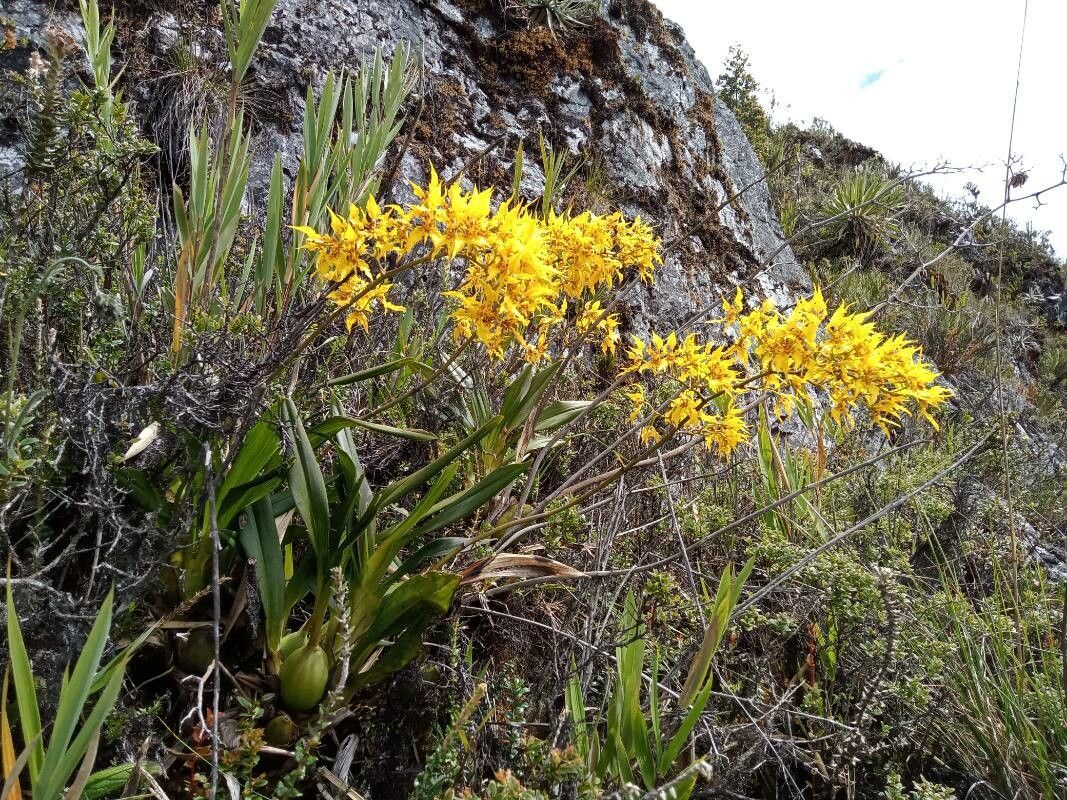
The captivating Cyrtochilum auropurpureum, with its cascading sprays of vibrant blossoms, is a true showstopper in the orchid world. Often referred to as the “Jewel Orchid” thanks to its sparkling, dew-kissed flowers, this South American native can be a rewarding addition to any enthusiast’s collection. But how do you go about propagating this stunning species and multiplying your floral treasures? This guide delves into the art of Cyrtochilum auropurpureum propagation, empowering you to cultivate these beauties with confidence.
Understanding the Basics: Sympodial Growth
Cyrtochilum auropurpureum is a sympodial orchid, meaning it grows laterally rather than from a single point. New growths, called pseudobulbs, emerge from a horizontal rhizome. Each pseudobulb matures, blooms, and eventually gives rise to new growths, ensuring the continuation of the plant.
Methods of Propagation:
While seed propagation is possible, it requires specialized knowledge and equipment. For hobbyists, the following two methods offer greater success:
1. Division:
- Timing is Key: The ideal time for division is during spring, just as the orchid enters its active growing phase. New growth emerging from the base signals the perfect opportunity.
- Healthy Choices: Select plants that have at least 4-6 healthy pseudobulbs. This ensures sufficient stored energy for both divisions to thrive.
- Division Process:
- Carefully remove the orchid from its pot, gently loosening the roots.
- Identify natural division points along the rhizome, where clusters of pseudobulbs are connected.
- Using a sterilized, sharp tool (like pruning shears), cut the rhizome, ensuring each division has at least 2-3 healthy pseudobulbs with active roots.
- Potting Up:
- Plant each division in a well-draining orchid mix, ensuring the rhizome is level with the potting medium’s surface.
- Water sparingly until new growth emerges, indicating successful establishment.
2. Backbulb Propagation:
- Understanding Backbulbs: Backbulbs are older, often leafless pseudobulbs that still hold potential for new growth.
- The Process:
- Carefully remove any dry sheaths from the backbulb, revealing potential growth nodes.
- Place the backbulb horizontally on a bed of moistened sphagnum moss, ensuring good air circulation.
- Maintain humidity and warmth (around 70-80°F) by covering the setup with a plastic bag or placing it in a humidity dome.
- Patience is Key: Backbulb propagation can take several months.
- Once new growths with roots develop, the backbulb can be potted in an orchid mix.
Essential Tips for Success:
- Sterilization: Always use sterilized tools to prevent the spread of diseases.
- Optimal Conditions: Provide bright, indirect light, high humidity, and temperatures ranging from 65-80°F (18-27°C).
- Watering Wisely: Water thoroughly when the potting mix approaches dryness, allowing excess water to drain completely.
- Fertilization: Use a balanced orchid fertilizer diluted to half strength during the growing season (spring to fall).
Propagating Cyrtochilum auropurpureum, while requiring patience and care, is an immensely rewarding endeavor. By following these guidelines and providing the right environment, you can witness the joy of watching your orchid collection expand, brimming with captivating blooms for years to come.