
Propagating Cyrtomium falcatum: The Holly Fern’s Expanding Reach
Cyrtomium falcatum, commonly known as the Holly Fern, is a popular evergreen fern prized for its elegant, leathery, dark green fronds with distinctive holly-like serrations. Its tolerance of shade and varied soil conditions contributes to its widespread use in gardens, providing textural contrast and year-round interest. While readily available commercially, propagating Holly Fern can be a rewarding, albeit challenging, endeavor. The plant’s relative ease of care is somewhat counterbalanced by the difficulty in propagating it from seed, leading gardeners to favour alternative methods.
Seed Germination:
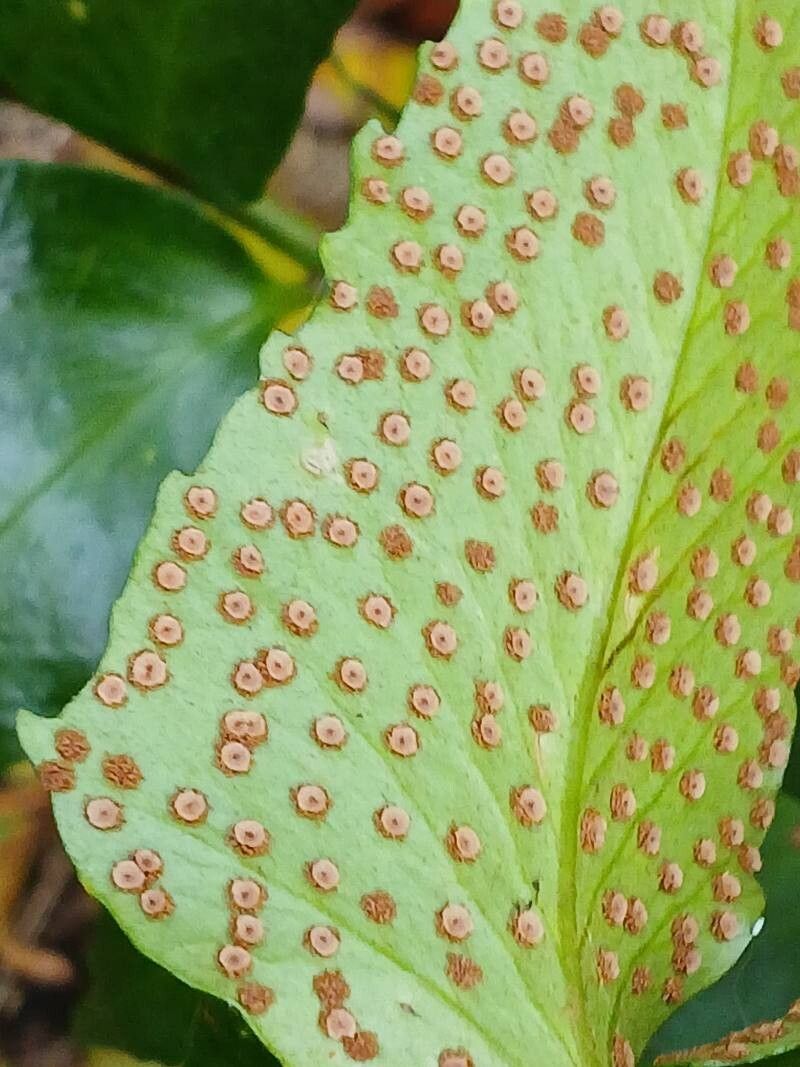
Currently, there are no known reliable methods for seed germination propagation of Cyrtomium falcatum. Holly Ferns infrequently produce viable spores, and even when they do, germination rates are extremely low and success is unpredictable. The challenges associated with spore germination in this species outweigh the potential rewards of genetic diversity. Consequently, other propagation methods are far more practical for the home gardener.
Cuttings:
Propagating Cytomium falcatum from cuttings is also largely unsuccessful. Unlike some ferns that readily root from stem or rhizome cuttings, Holly Fern cuttings demonstrate poor rooting ability. Attempts at propagation through this method rarely produce viable plants, making it an impractical approach.
Division:
Division is the most reliable and commonly used method for propagating Cyrtomium falcatum. This involves separating established clumps into smaller sections, each containing rhizomes and several fronds.
Challenges: Successfully dividing a Holly Fern requires careful handling of the rhizomes to avoid damage. Overly aggressive division can weaken the parent plant and the resulting divisions. The correct timing is crucial, best done in spring or early summer.
Practical Tips: Choose a mature, healthy plant. Gently dig up the clump, carefully loosen the rhizomes, and use a sharp, clean knife or spade to divide the plant into sections, ensuring each division has a healthy portion of rhizome and several fronds. Replant the divisions in well-drained, slightly acidic soil, keeping them moist but not waterlogged.
Rewards: Division offers a relatively high success rate compared to other methods and allows for quick establishment of new plants. It’s the most efficient way to increase the number of Holly Ferns within a garden setting.
Tissue Culture:
Tissue culture presents a viable, albeit specialized, method for propagating Cyrtomium falcatum. This technique involves growing plantlets from sterile tissue samples in a nutrient-rich medium under controlled conditions.
Challenges: Tissue culture requires specialized equipment, aseptic techniques, and a strong understanding of plant tissue culture methodology. It is more expensive and time-consuming than division.
Practical Tips: Successful tissue culture necessitates a sterile lab environment, specific nutrient media, and an optimized growth protocol. These factors are beyond the scope of a typical home gardener’s capabilities.
Rewards: This method allows for mass propagation of genetically identical plants and is crucial for commercial nurseries. It eliminates the limitations of other methods, delivering quick and consistent results.
Conclusion:
Propagating Cyrtomium falcatum presents unique challenges. While seed germination and cuttings are largely unfeasible, division offers a straightforward and reliable method for the home gardener. Tissue culture provides a solution for large-scale propagation but demands specialized skills and equipment. Though the difficulties might seem daunting, the satisfaction of successfully nurturing a new Holly Fern from a division, witnessing its slow but steady growth, is a rewarding experience that underscores the unique connection between plant and cultivator. For aspiring propagators, begin with the simpler division method; master that, and the journey to cultivating this beautiful evergreen fern will be both fulfilling and successful.