
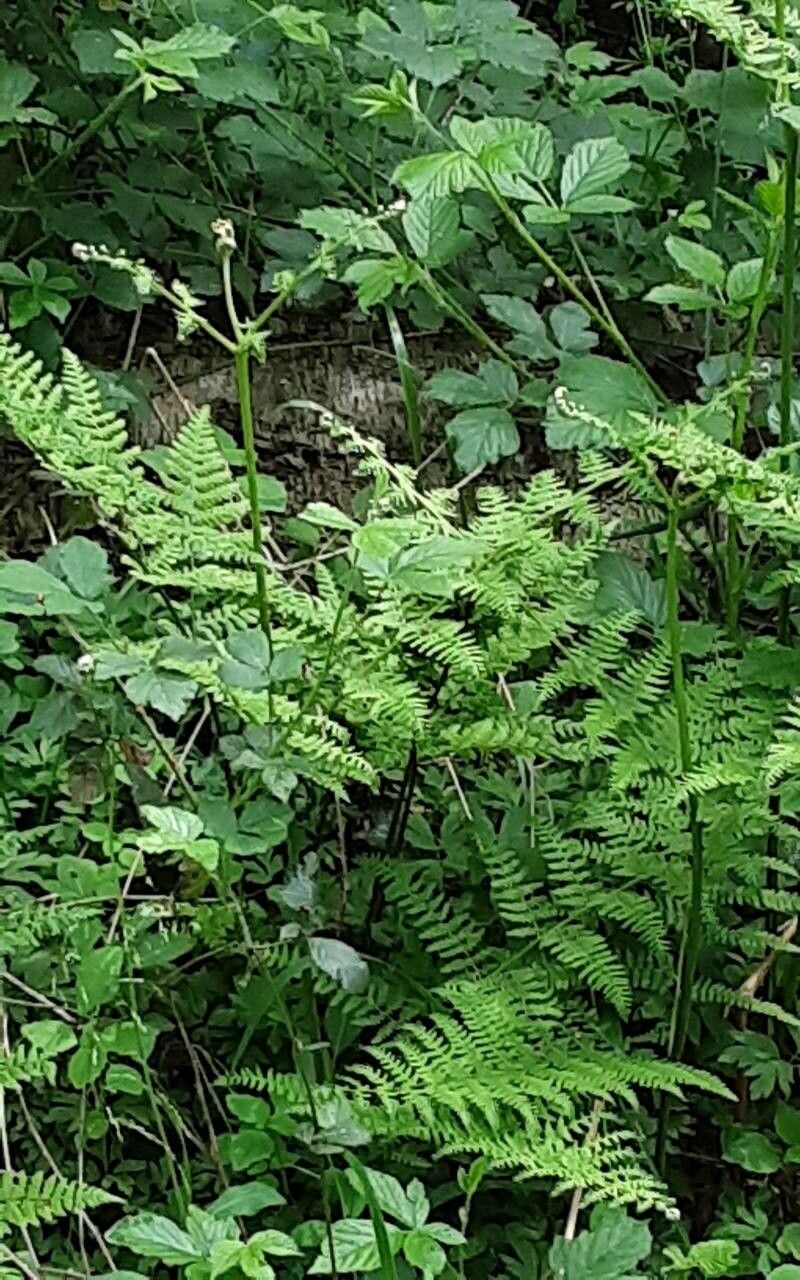
Unveiling the Secrets of Mountain Fern Propagation: How to Grow Your Own Cystopteris montana
The delicate fronds of Cystopteris montana, also known as the Mountain Bladder Fern, add a touch of ethereal beauty to any shady garden. If you’re yearning to bring this graceful plant into your own green space, learning the art of propagation is the key! While it might sound daunting, propagating Cystopteris montana is surprisingly simple and rewarding.
Understanding the Fundamentals: Spore Propagation
Unlike many plants that rely on seeds or cuttings, Mountain Bladder Ferns reproduce using spores. These tiny, dust-like structures are housed in clusters called sori, which are located on the underside of mature fronds. Each spore holds the potential to develop into a new fern plant.
The Spore Propagation Process:
Spore Collection: Carefully harvest mature fronds exhibiting visible sori. Gently rub the underside of the fronds over a piece of paper to collect the spores.
Sowing the Spores: Fill shallow pots with a well-draining, sterile potting mix suitable for ferns. Distribute the spores evenly over the surface, using a light dusting approach. Avoid overcrowding.
Creating the Right Environment: Cover the pots with a clear plastic dome or wrap, creating a mini-greenhouse to retain moisture and warmth. This environment is crucial for spore germination. Place the pots in a bright, indirect light location, away from direct sunlight.
Patience is Key: This is the challenging part! Spore germination can take several weeks, even months. Regularly mist the potting mix to maintain moisture, but avoid overwatering.
- Transplanting the Young Ferns: Once tiny green fronds emerge, carefully remove the plastic covering. Continue providing a humid and shaded environment. As the ferns grow larger, they can be individually transplanted into larger pots or directly into the garden.
Tips and Considerations:
- Sterilization: It’s vital to start with a sterilized potting mix to prevent disease and competition from unwanted fungi or bacteria.
- Temperature: Ideal temperature for germination is between 65-75°F.
- Humidity: Maintained moisture is essential, but avoid waterlogging. Mist regularly.
- Patience: Spore germination can be slow. Relax and appreciate the rewarding journey.
Why Spore Propagation is the Way to Go:
- Genetic Diversity: Spore-grown ferns offer greater genetic diversity compared to those propagated through division.
- Increased Plant Number: You can produce a large number of plants from a single spore collection.
- Challenge and Fulfillment: It’s a fascinating and rewarding process for passionate gardeners.
Bringing Home the Mountain Bladder Fern:
While spore propagation is a captivating process, you can also find Cystopteris montana plants at your local nursery or online. When selecting a plant, look for healthy, vibrant green fronds without any signs of pests or disease.
No matter how you choose to acquire your Mountain Bladder Fern, remember that this elegant species thrives in partial shade with plenty of moisture. Avoid dry conditions and consider incorporating them into shaded rock gardens, woodland borders, or even in your own indoor terrarium.
Grow Your Own Mountain Magic:
With the right tools and techniques, propagating Cystopteris montana is a rewarding experience that allows you to bring this unique and beautiful fern into your garden. Its delicate fronds and graceful presence will undoubtedly enrich your green space, creating a tranquil oasis that whispers of nature’s magic. So, delve into this engaging process and embrace the beauty of this extraordinary plant.