
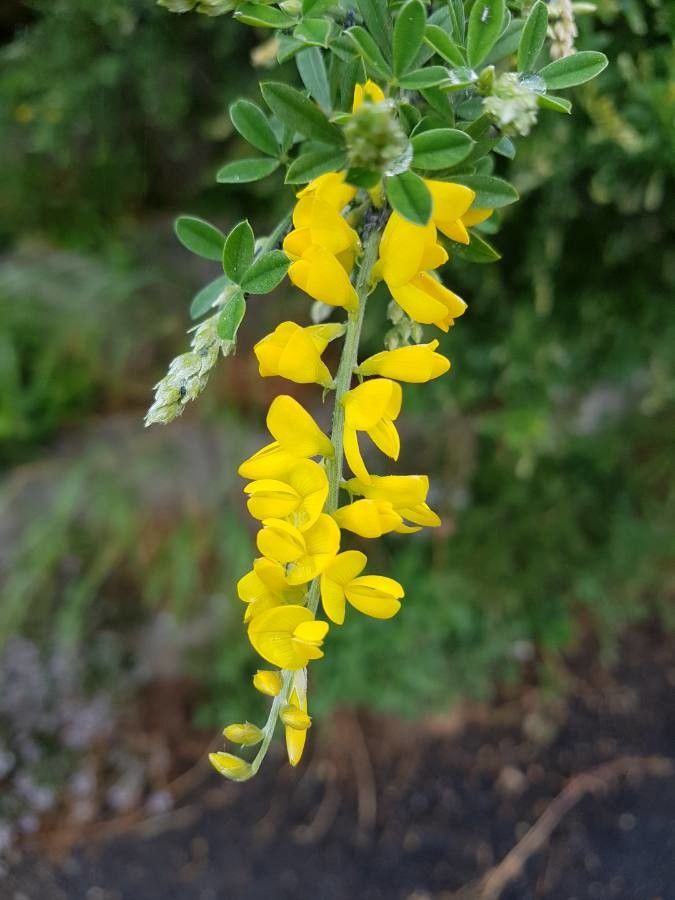
Taming the Hairy Broom: A Guide to Propagating Cytisus Villosus
The Cytisus villosus, more commonly known as the Hairy Broom, is a captivating sight with its vibrant yellow blooms cascading over its branches in the spring. This Mediterranean native, while stunning in its natural form, can be a beautiful addition to gardens worldwide with a bit of know-how. Intrigued? Let’s delve into the rewarding world of propagating Cytisus villosus.
Two Paths to Propagation:
While Hairy Broom can be grown from seed, it’s not the easiest or most reliable method. Here, we’ll focus on the two most effective propagation techniques for hobbyist gardeners:
1. Semi-Hardwood Cuttings:
This technique involves taking cuttings from slightly matured stems during late summer. Here’s how to give your cuttings the best chance of success:
- Timing is Key: Late summer, when the plant’s growth is starting to harden off, is ideal for taking cuttings.
- Selecting the Right Stems: Look for healthy, non-flowering stems that have started to turn slightly woody but are still flexible. Avoid new growth, as it tends to rot easily.
- Making the Cut: Using sharp, sterilized pruning shears, cut a 4-6 inch section of stem just below a leaf node (the point where a leaf emerges).
- Preparing the Cutting: Remove the lower leaves from the cutting, leaving only 2-3 pairs at the top. This reduces moisture loss and encourages root development.
- Hormone Boost: Dip the cut end in rooting hormone powder to stimulate root growth.
- Planting the Cutting: Plant the cutting in a well-draining potting mix, burying the bottom node. Water gently and cover the pot with a plastic bag to create a humid environment.
- Patience is a Virtue: Keep the cuttings in a bright location out of direct sunlight. It takes around 6-8 weeks for roots to develop. Once roots form, you can transplant them into individual pots.
2. Layering:
Layering is a slightly more advanced technique but has a higher success rate. It involves encouraging roots to grow on a stem while it’s still attached to the parent plant.
- Choosing a Branch: Select a healthy, low-growing branch.
- Wounding the Stem: Gently wound a small section of the underside of the branch using a sharp knife.
- Securing the Layer: Bend the wounded section down and bury it a few inches deep in the soil, securing it with a landscape staple or a heavy rock.
- Maintaining Moisture: Keep the soil around the layered branch consistently moist.
- Separation Anxiety: After a few months, check for root development. Once the layered section has established a healthy root system, you can separate it from the parent plant and transplant it.
Tips for Success:
- Well-Draining Soil: Cytisus villosus prefers well-draining soil, so use a mix that doesn’t retain excess moisture.
- Sunlight is Key: Hairy Broom thrives in full sun, so choose a bright location for your cuttings or layers.
- Pest and Disease Control: Be vigilant about pests and diseases. Inspect your plants regularly and treat any issues promptly.
Propagating Cytisus villosus might require a bit of patience and effort, but the reward of cultivating new plants from your existing one is incredibly fulfilling. By following these steps and providing the right conditions, you can enjoy the vibrant beauty of Hairy Broom in your garden for years to come.