
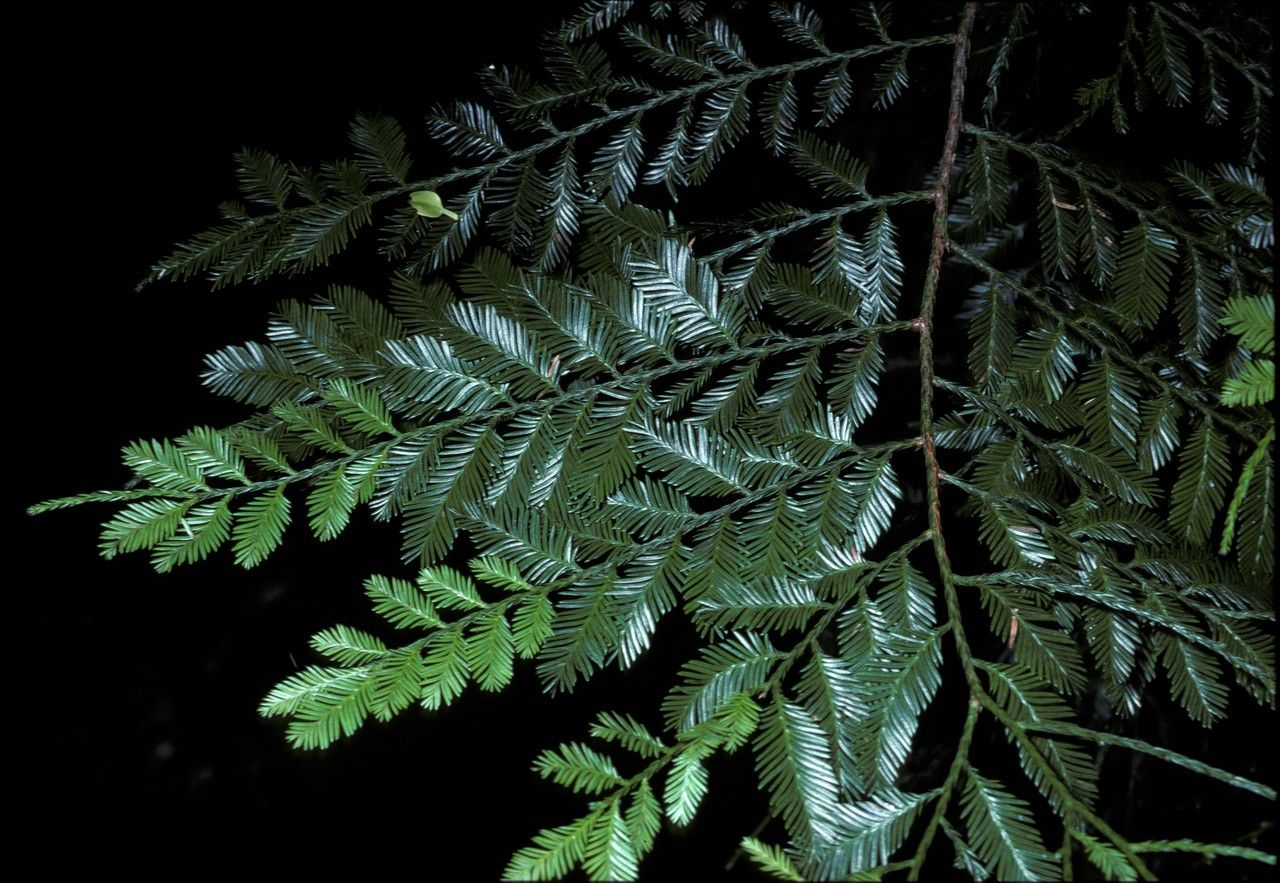
Unveiling the Secrets of Propagating the Majestic Dacrycarpus imbricatus
The Dacrycarpus imbricatus, also known as the “Scale-leaf Podocarp” or “Imbricate Kauri,” is a stunning conifer native to Southeast Asia and the Pacific Islands. This majestic tree, with its graceful, weeping foliage and impressive height, can be a breathtaking addition to gardens and landscapes in suitable climates. But how can one invite this botanical marvel into their own backyard? Let’s dive into the fascinating world of Dacrycarpus imbricatus propagation.
Two Paths to Propagation: Unveiling the Options
While not commonly found in nurseries, propagating your own Dacrycarpus imbricatus is a rewarding endeavor for the patient gardener. This intriguing tree can be propagated through two primary methods:
1. Seed Propagation: A Test of Time and Patience
Propagation from seed is the most common method for Dacrycarpus imbricatus. While it requires more time and dedication, it offers a deeper connection to the plant’s life cycle:
- Source Your Seeds: Finding seeds can be challenging. Reputable online seed retailers specializing in rare or exotic plants might offer them, or you may be lucky enough to source some from mature trees in botanical gardens or arboretums.
- Break the Dormancy: Dacrycarpus imbricatus seeds often exhibit dormancy, requiring a period of cold stratification to encourage germination. Place the seeds in a moist paper towel, seal them in a plastic bag, and refrigerate them for 4-8 weeks.
- Sowing the Seeds: Sow the stratified seeds in a well-draining seed-starting mix, pressing them gently onto the surface without burying them. Keep them consistently moist and in a warm, bright location. Germination can be erratic and may take several months.
- Nurturing the Seedlings: Once germinated, provide your seedlings with bright, indirect light and keep the soil consistently moist but not waterlogged. Be patient, as seedlings grow slowly during their first year.
2. Semi-Hardwood Cuttings: A Quicker Route to Success
Propagating Dacrycarpus imbricatus from semi-hardwood cuttings offers a potentially faster method, although it can be slightly trickier:
- Time Your Cuttings: The optimal time for taking cuttings is late spring or early summer when new growth is partially matured.
- Select Healthy Shoots: Choose healthy, vigorous side shoots approximately 4-6 inches long. New growth with brown bark at the base, but green towards the tip, indicates semi-hardwood.
- Prepare the Cuttings: Remove the lower leaves from the cutting, leaving a few at the top. Dip the cut end in rooting hormone powder to encourage root development.
- Planting and Conditions: Plant the cuttings in a well-draining potting mix, burying at least one node below the surface. Keep them in a humid environment. A humidity dome or a clear plastic bag over the pot can be beneficial. Place them in a warm location with bright, indirect light.
- Rooting and Transplanting: Rooting can take several weeks. Once roots have developed, carefully transplant the cuttings into individual pots and continue to provide them with adequate moisture and humidity until they are well-established.
Patience: The Gardener’s Greatest Virtue
Whether you choose to propagate Dacrycarpus imbricatus from seed or cuttings, remember that success hinges on patience and consistent care. With a touch of dedication and a watchful eye, you can cultivate these magnificent trees, bringing a piece of ancient beauty and elegance to your own green space.