
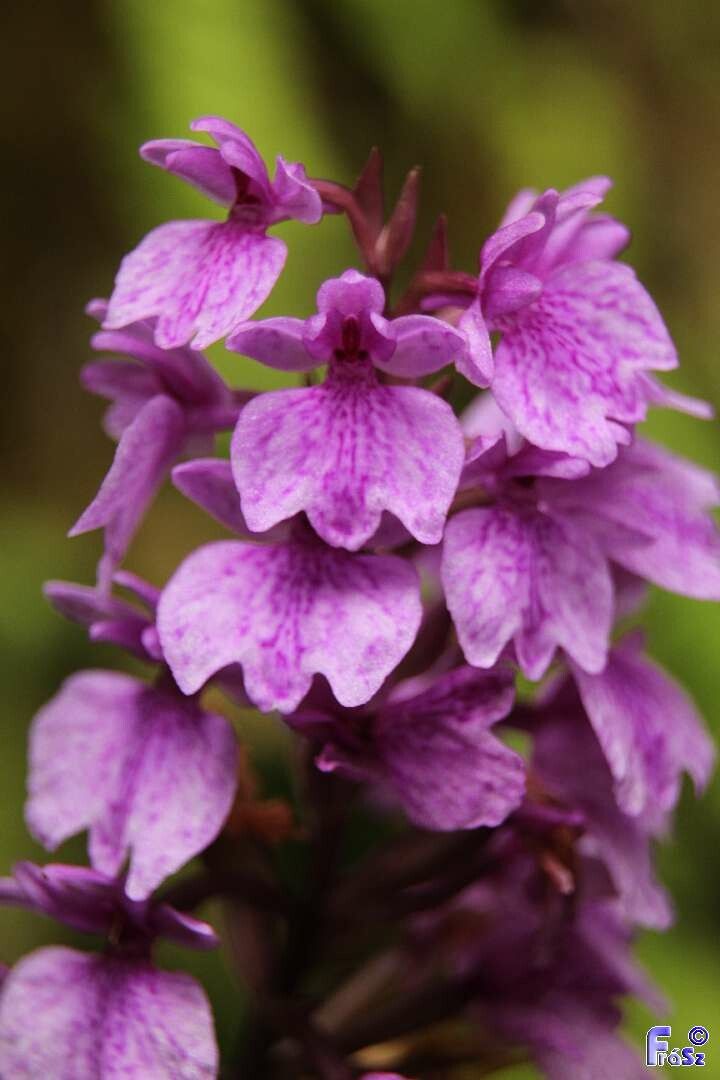
From One to Many: Unlocking the Secrets of Dactylorhiza foliosa Propagation
The Dactylorhiza foliosa, also known as the “Broad-leaved Marsh-orchid,” is a stunning wildflower with vibrant purple blooms that grace wetlands and meadows. While admired for its beauty, these orchids can be challenging to cultivate. But don’t despair! Understanding propagation methods opens the door to expanding your collection of these delightful plants.
Dactylorhiza foliosa Propagation: A Delicate Dance
Unlike many plants that readily sprout from seeds, Dactylorhiza foliosa propagation is more complex. Due to their intricate symbiotic relationship with mycorrhizal fungi, these orchids need a helping hand to germinate and thrive. This intricate process can be broken down into two main methods:
1. Seed Propagation: The Long and Winding Road
- The Challenge: Dactylorhiza foliosa seeds are tiny and require specific conditions to germinate. They need a symbiotic relationship with mycorrhizal fungi, which provide essential nutrients and help them develop roots.
- The Process:
- Collecting Seeds: Harvest ripe seed pods from mature plants. You’ll need to collect the seed pods before they fully split open.
- Preparing the Medium: Use a sterile, well-draining potting mix with a pH of 5.5 to 6.5.
- Inoculation: This is the trickiest part. You’ll need to introduce mycorrhizal fungi to the seed mix. You can purchase commercial mycorrhizae inoculant or obtain it from wild orchids growing in similar habitats.
- Sowing: Sow the seeds on the surface of the prepared medium, cover lightly, and mist with water.
- Patience is Key: This method requires immense patience. Germination can take anywhere from several months to a year, and seedlings may remain small for several years before flowering.
2. Division: The Shortcut (But Not Always)
- The Challenge: Dactylorhiza foliosa are not always amenable to division. The plant needs to be mature enough with enough growing points to guarantee success.
- The Process:
- Timing is Crucial: Divide mature orchids in the early spring or late summer, after flowering.
- Careful Division: Gently remove the plant from the pot and use a sharp, sterilized knife to divide the clump, ensuring each division has at least a few healthy roots and growing points.
- Replanting: Carefully replant the divisions into fresh potting mix, providing adequate drainage.
- Post-Division Care: Keep the divided plants moist but not soggy and provide them with dappled sunlight.
Important Considerations for Dactylorhiza foliosa Propagation:
- Ethical Considerations: Always ensure you’re legally obtaining and propagating these orchids. Wild harvesting is often illegal and detrimental to wild populations.
- Understanding the Symbiosis: Mycorrhizal fungi play a vital role in orchid growth. Understanding their importance is key to successful propagation.
- Patience and Care: Like many orchids, Dactylorhiza foliosa require patience and care. Don’t be discouraged if you don’t see immediate results.
- Environmental Conditions: Dactylorhiza foliosa grow best in moist, shady environments. Replicate these conditions when propagating and nurturing your plants.
Enjoy the Journey
While Dactylorhiza foliosa propagation may present its challenges, the reward of seeing these vibrant orchids flourish in your garden is invaluable. By understanding the intricacies of their growth and dedicating yourself to their care, you can expand your collection and appreciate the beauty of this fascinating species.