
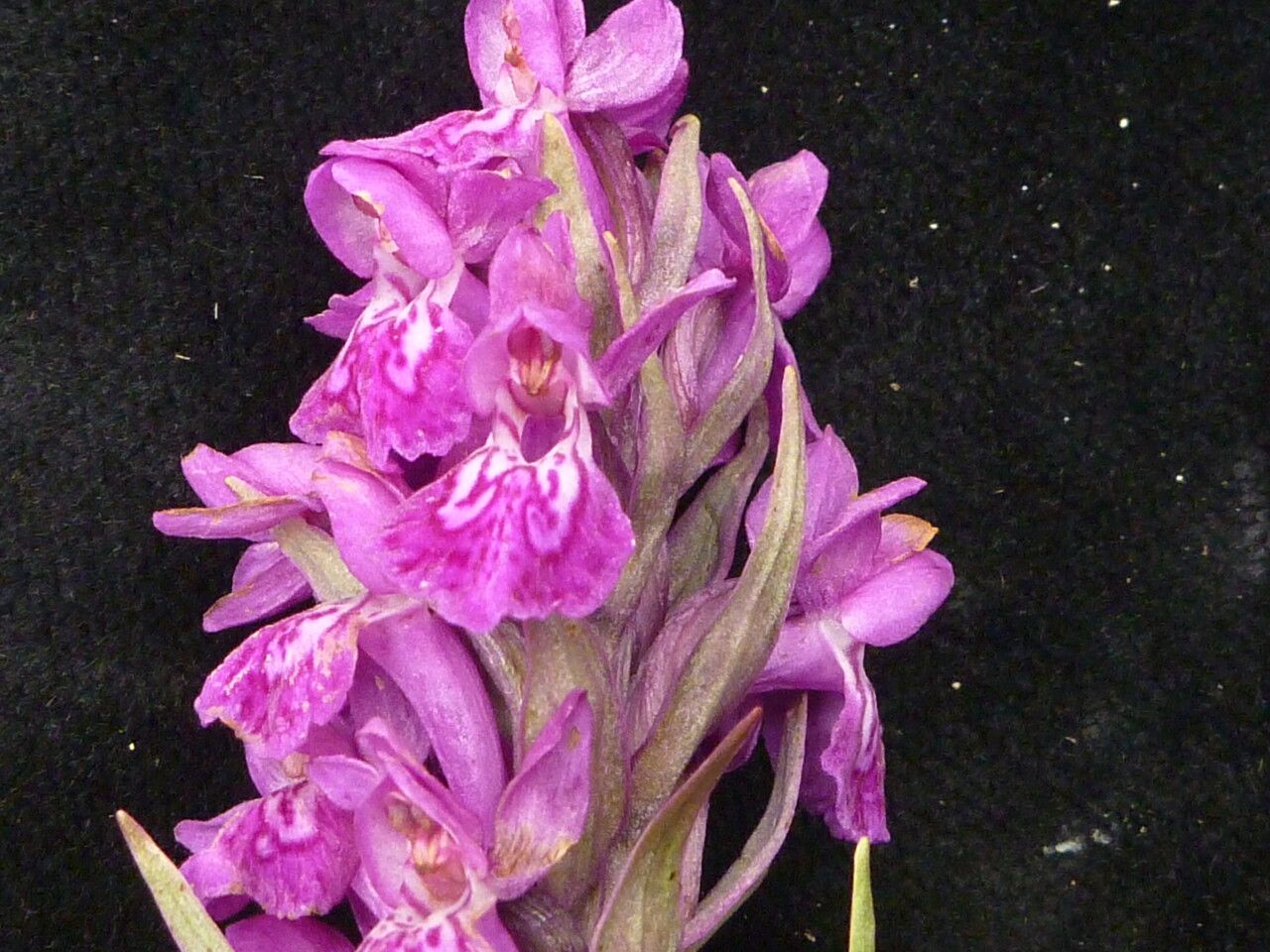
Propagating the Himalayan Marsh Orchid: A Guide to Dactylorhiza hatagirea
Introduction:
Dactylorhiza hatagirea, commonly known as the Himalayan Marsh Orchid, is a captivating orchid prized for its stunning purplish-pink flowers and its adaptation to high-altitude environments. Its medicinal properties, particularly its purported use in traditional medicine for enhancing vitality and energy, have further fueled its popularity among gardeners and collectors. However, propagating this species presents a significant challenge due to its specific environmental needs and complex reproductive biology. Unique to its propagation is the necessity of mimicking its harsh, high-altitude habitat.
Seed Germination:
Currently, there are no known reliable methods for seed germination propagation of Dactylorhiza hatagirea. The seeds are extremely fine and lack endosperm, making them reliant on symbiotic mycorrhizal fungi for germination and early development. Establishing this symbiotic relationship in a controlled environment is exceptionally difficult and has, to date, proven unsuccessful on a consistent basis. Further research into the specific fungal partners required and the precise environmental conditions necessary would be needed to develop viable seed germination protocols.
Cuttings:
Cuttings are not a viable propagation method for Dactylorhiza hatagirea. This orchid, like many orchids, does not readily regenerate from stem or leaf cuttings. The complex physiology and dependency on symbiotic relationships preclude successful propagation through this method.
Division:
Division is the most commonly employed and reliable method for increasing the stock of Dactylorhiza hatagirea. However, it’s crucial to understand the limitations.
Challenges: Dividing the rhizomes must be done carefully, ensuring each division contains sufficient root material and healthy growth buds. Divisions that are too small may fail to establish. The timing is also critical; division is best undertaken during the plant’s dormancy period, usually in late autumn or early spring. Post-division, careful attention must be paid to maintaining appropriate moisture levels and preventing fungal infections.
Practical Tips: Use a sharp, sterilized knife or tool to divide the rhizome. Choose healthy, vigorous plants for division. Plant the divisions immediately in a well-draining, nutrient-rich substrate mimicking the plant’s natural environment (a mix of peat moss, perlite, and orchid bark is often recommended). Maintain consistent moisture, but avoid overwatering.
- Rewards: Division allows for the relatively rapid increase in the number of plants. It maintains the genetic characteristics of the parent plant.
Tissue Culture:
Tissue culture offers a potential route for mass propagation of Dactylorhiza hatagirea, though significant hurdles remain.
Challenges: Establishing sterile cultures and identifying the optimal growth media and hormonal treatments are critical challenges. The need for symbiotic fungi may necessitate their inclusion in the culture medium, further complicating the process. The high cost and specialized equipment needed also limit the accessibility of this method.
Practical Tips: While detailed protocols aren’t readily available, this would involve establishing aseptic cultures from sterile plant tissues, followed by subculturing on specialized media supplemented with plant hormones and potentially mycorrhizal fungi.
- Rewards: Successful tissue culture offers the potential for mass propagation, enabling the conservation and wider distribution of this vulnerable species. It could also be used to study the plant’s physiology and improve cultivation techniques.
Conclusion:
Propagating Dactylorhiza hatagirea presents a considerable challenge. While division offers the most reliable method currently available, its rate of increase is limited by the size of the parent plant. Seed germination and tissue culture hold potential but require further research. The successful propagation of this species, however, is deeply rewarding. Overcoming the difficulties and witnessing the delicate, vibrant blooms emerging from a carefully nurtured division or a successful tissue culture is an achievement that truly celebrates the skill and patience of the cultivator. For aspiring propagators, patience, meticulous attention to detail, and thorough research are crucial. While challenging, the journey to cultivate this remarkable Himalayan Orchid is sure to be enriching and highly satisfying.