
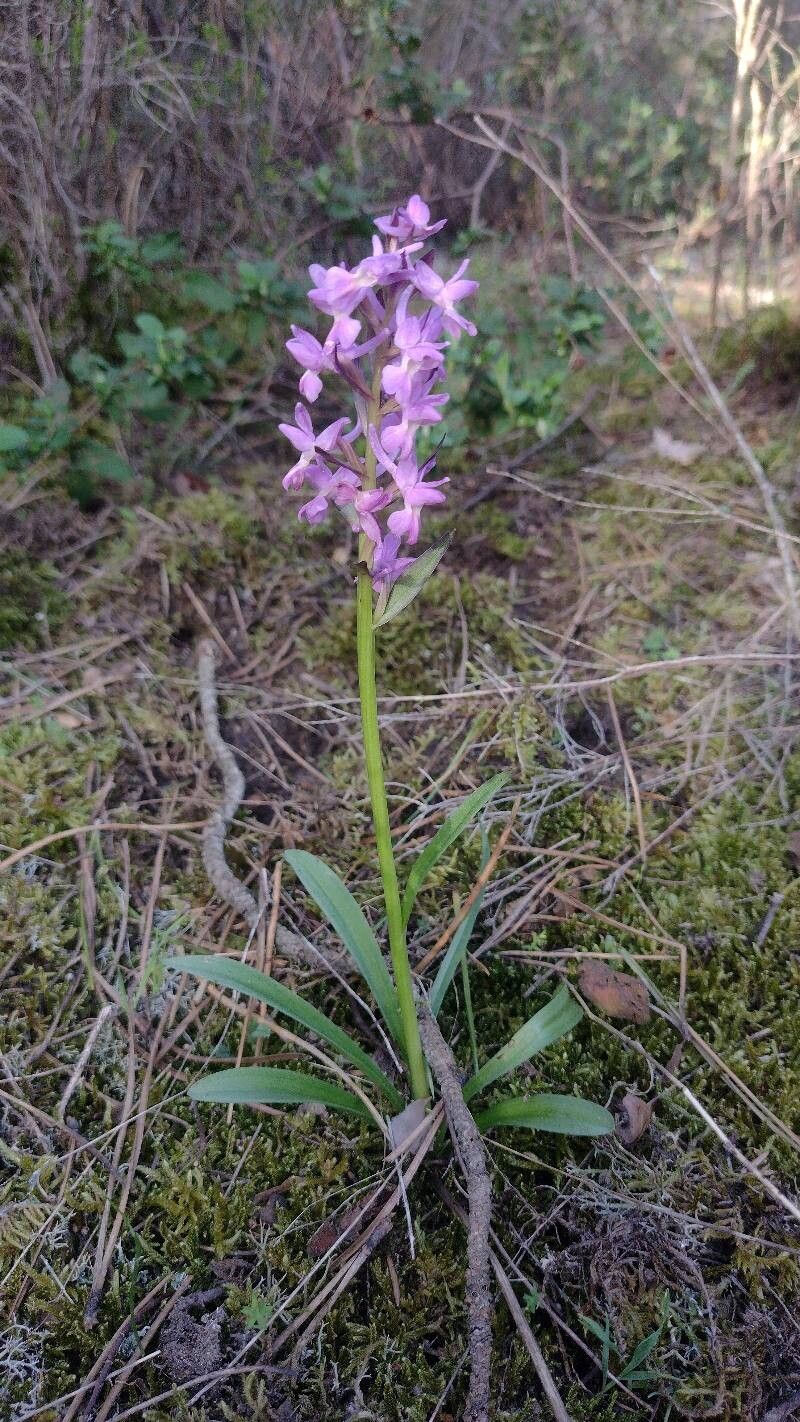
Unlocking the Secrets of the Roman Orchid: A Guide to Propagating Dactylorhiza romana
The Roman orchid, scientifically known as Dactylorhiza romana, captivates with its delicate beauty and intriguing name that hints at ancient roots. Found across the Mediterranean region, this terrestrial orchid species enchants enthusiasts with its color-changing blooms, ranging from vibrant yellows to elegant purples. But successfully cultivating and multiplying this captivating orchid can feel like an elusive art. Fear not, aspiring orchid guardians! This guide unveils the secrets of propagating Dactylorhiza romana, empowering you to nurture these botanical gems for generations to come.
Two Paths to Propagation:
Mother nature offers two primary pathways to propagate Dactylorhiza romana: through seed and by division. Each method possesses its own nuances and appeals to different levels of experience:
Seed Propagation: The Patient Path to Abundance
Propagating orchids from seed is a rewarding, albeit patient, endeavor. Orchid seeds, incredibly small and lacking their own food reserves, require a symbiotic relationship with specific mycorrhizal fungi to germinate. This intimate relationship provides the seeds with the necessary nutrients to sprout and develop.
Here’s a glimpse into the process:
- Obtain seeds: Source seeds from reputable suppliers specializing in orchids.
- Prepare the medium: Create a sterile, well-draining mix. Specialized orchid seed sowing mixes are available.
- Sowing: Sprinkle seeds thinly over the moist medium, ensuring they are not buried.
- Symbiotic dance: Introduce the mycorrhizal fungi. You can purchase commercial inoculants or attempt to isolate fungi from a mature Dactylorhiza romana plant.
- Patience is key: Seedlings may take several months to emerge. Provide consistent moisture, humidity, and indirect light.
Division: Sharing the Gift of Growth
For those seeking a faster route to propagation, division offers a more accessible option for established plants.
Follow these steps for success:
- Timing is everything: Divide your orchid during its dormant period, typically after flowering.
- Gentle separation: Carefully remove the plant from its pot and identify healthy sections with at least three pseudobulbs (bulb-like structures where the plant stores nutrients and water).
- Sharp and clean: Using a sterilized blade, carefully separate the chosen sections.
- Potting the divisions: Plant each division in a well-draining orchid mix, ensuring the pseudobulbs are slightly above the soil line.
- Nurturing new beginnings: Maintain consistent moisture and provide bright, indirect light.
Beyond Propagation: Caring for Your Roman Orchid Treasures
Whether you choose the meticulous path of seed propagation or the rewarding swiftness of division, understanding the needs of your Dactylorhiza romana is crucial for their long-term well-being. Here are essential care tips:
- Light: Provide bright, indirect light. Avoid direct sunlight, which can scorch the leaves.
- Water: Water regularly, allowing the potting mix to dry slightly between waterings. Good drainage is vital.
- Humidity: Aim for moderate to high humidity. Placing the pot on a pebble tray filled with water can help.
- Temperature: These orchids prefer cool to moderate temperatures. Protect them from extreme heat and frost.
Propagating Dactylorhiza romana might seem like a daunting endeavour, but armed with knowledge and a dash of dedication, you can unlock the secrets to successfully nurturing these captivating orchids. Enjoy the journey of witnessing new life unfurl, and revel in the satisfaction of sharing the legacy of these magnificent botanical treasures for years to come.