
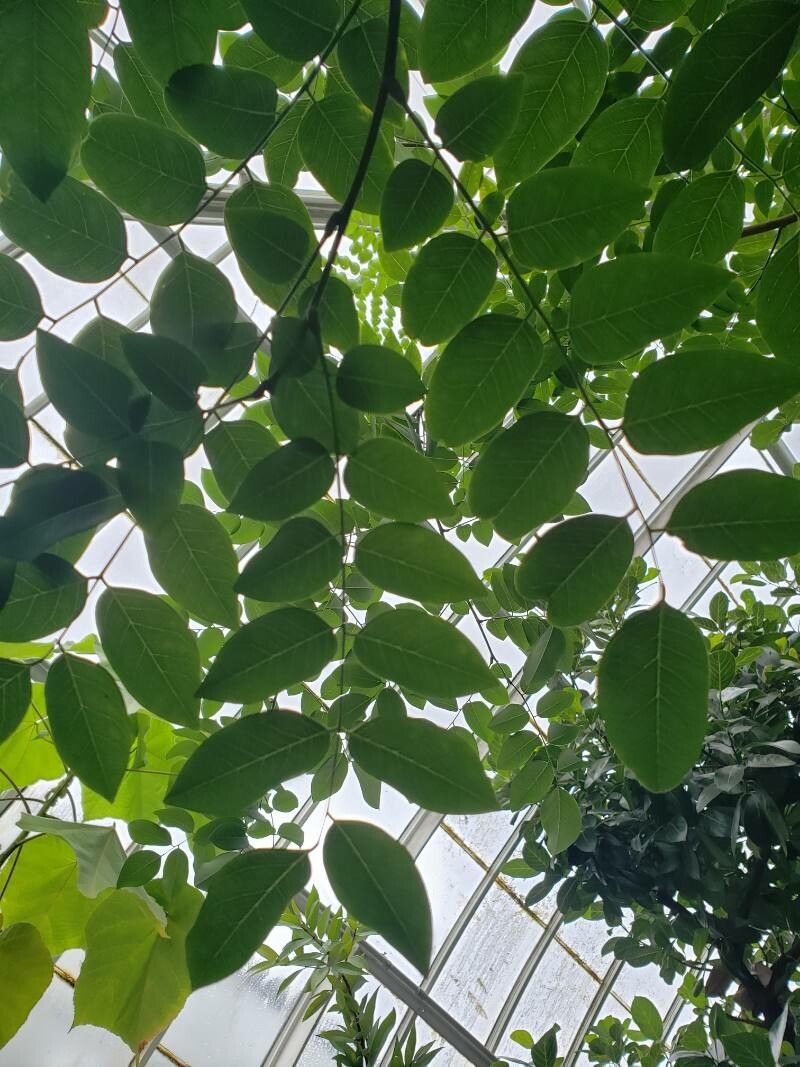
From Seed to Sapling: Propagating the Majestic Dalbergia boehmii
The Dalbergia boehmii, also known as the “Boehmi Rosewood,” is a stunning tree renowned for its beautiful, richly-grained wood and its unique, almost otherworldly presence. In the realm of gardening, an exciting aspect of this species is its ability to be successfully propagated. This means you can nurture your very own Dalbergia boehmii from scratch, witnessing its journey from a tiny seed to a magnificent, mature tree.
The Alluring Seed Method:
The most common and rewarding way to propagate Dalbergia boehmii is through seeds. Here’s how to embark on this fascinating journey:
- Source Your Seeds: Firstly, you need to acquire fresh, viable seeds. These can be sourced from specialized plant nurseries, seed banks, or even by carefully collecting pods from mature trees.
- Preparing the Seeds: Before sowing, the hard seed coat of Dalbergia boehmii needs to be scarified. This can be done by gently nicking the seed coat with a sharp knife or using sandpaper. This process helps to break the dormancy and promote germination.
- Sowing Time: The ideal time for sowing is during the warm months when temperatures are consistently above 20°C (68°F).
- The Right Medium: Use a well-draining potting mix, with a good balance of moisture retention, air, and nutrients.
- Sowing Procedure: Sow the seeds about half an inch deep in individual pots or seed trays. Water thoroughly, ensuring the soil is evenly moist.
- The Wait and Watch: Patience is key! Depending on the age of the seeds and the conditions, germination can take anywhere from a few weeks to several months. Maintain consistent moisture and protect them from frost.
- Beyond Sprouting: Once the seedlings emerge, gradually introduce them to sunlight and ensure proper drainage. When the seedlings grow a few inches tall, they can be transplanted to larger pots or directly into the garden.
Propagating Through Cuttings (A Challenging Path):
While seed propagation is the most common method, rooting Dalbergia boehmii from cuttings presents a more complex challenge. This method involves taking sections of stem and encouraging them to develop roots.
- The Right Cutting: Choose semi-hardwood cuttings from the current year’s growth. Cuttings 4-6 inches long are usually optimal.
- Preparation is Key: Dalbergia boehmii cuttings must be treated with rooting hormones to stimulate root development.
- The Importance of Medium and Environment: Use a rooting medium that holds moisture but allows good drainage. A humidity dome or plastic bag is usually essential to maintain high humidity levels.
- Patience and Persistence: Rooting cuttings takes time and dedication. Regular monitoring, providing a warm environment, and ensuring proper humidity levels are crucial.
The Importance of Propagation:
Propagating your own Dalbergia boehmii offers numerous benefits:
- Preserving a Rare Species: Due to overharvesting for its valuable wood, Dalbergia boehmii faces conservation concerns. Propagation helps to increase populations and assure its future.
- Uniqueness and Personal Connection: Growing your own tree from seed creates a deep personal connection with the plant, as you witness its growth and development.
- Sustainable Practices: Propagating from seeds or cuttings provides a sustainable alternative to sourcing trees from the wild.
Essential Considerations:
- Climate and Conditions: Dalbergia boehmii prefers warm, tropical climates with well-drained, slightly acidic soil.
- Sunlight: Give your Dalbergia boehmii ample sunlight for healthy growth.
- Watering: Keep the soil consistently moist but not waterlogged.
- Fertilization: Fertilize regularly with a balanced fertilizer to promote healthy growth.
- Protection from Pests: Monitor for pests and diseases and take prompt action if needed.
Embarking on the journey of propagating Dalbergia boehmii requires patience, dedication, and a bit of gardening expertise. However, witnessing the transformation from seed to sapling, and eventually to a stunning mature tree, is an incredibly rewarding endeavor.