
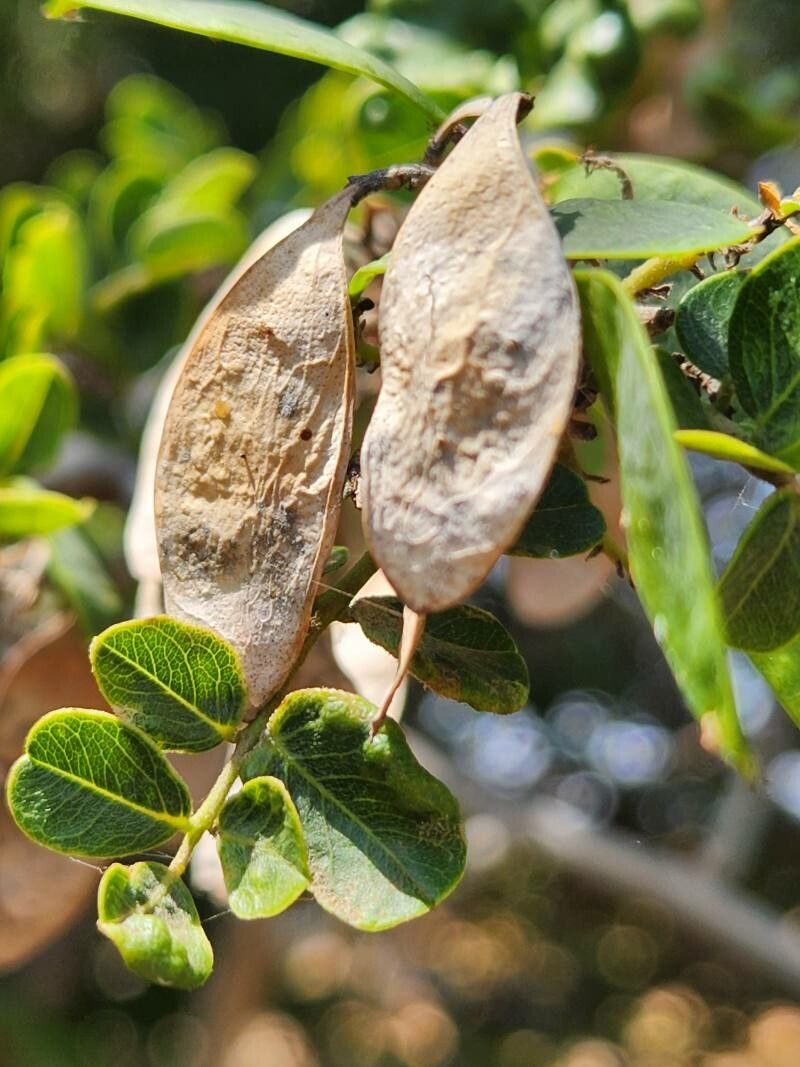
From Seed to Success: Unlocking the Secrets of Growing African Blackwood (Dalbergia melanoxylon)
African Blackwood, a prized wood known for its deep black color and resonant tone, is a tree shrouded in mystery for many. While its rich history and valuable properties are well-documented, the process of growing this coveted species remains a challenge. But fear not, plant enthusiasts, for this blog post will delve into the fascinating world of propagating African Blackwood, revealing the nuances of both seed sowing and cuttings.
The Seeds of Success:
Starting your African Blackwood journey with seeds offers a sense of satisfaction but comes with its fair share of hurdles. These seeds, though seemingly robust, are notoriously slow to germinate, requiring patience and meticulous care.
Here’s a breakdown of the process:
Sourcing the Seeds: Look for fresh, viable seeds from reputable sources. Remember, seeds from mature, healthy trees are key.
Pre-treatment: Soak your seeds in warm water for 24 hours. This process helps soften the seed coat, promoting germination.
Sowing: Opt for a well-draining potting mix, providing adequate moisture with a balance of aeration. Direct sow your seeds shallowly, barely covering them with soil.
Patience is Key: Maintain a consistent temperature of around 75°F (24°C) and a high humidity level for optimal germination. Remember, germination can take several weeks, even months.
- Tender Care: The tender seedlings require shade and consistent moisture. Protect them from harsh sunlight and wind, repotting them as they grow.
The Art of Cuttings:
For those seeking a more direct route, propagating African Blackwood via cuttings provides a potential leap forward. While not without its challenges, cuttings offer a faster way to cultivate this sought-after tree.
Follow these steps for success:
Timing is Everything: Choose a time when the plant is actively growing. Early summer is generally ideal.
Select the Right Cuttings: Opt for semi-hardwood cuttings, about 4-6 inches long, taken from healthy branches.
Prepare the Cuttings: Make sure the cut is sharp and clean, and remove the leaves from the bottom two inches of the stem. Dip the base of the cutting in a rooting hormone to stimulate root growth.
Potting and Care: Use a well-draining potting mix enriched with rooting hormones. Plant your cuttings shallowly, leaving the bottom two inches exposed. Ensure consistent moisture and a slightly humid environment.
- Patience Pays Off: Rooted cuttings often take several months to develop. Monitor the plant and provide adequate care to ensure successful rooting.
Challenges and Considerations:
While propagation might seem like a straightforward process, it is essential to be aware of certain crucial factors. African Blackwood requires specific environmental conditions and has unique challenges that need to be addressed.
- Climate and Location: This species thrives in warm, arid climates with well-drained soils.
- Pest and Disease: Be vigilant against pests and diseases that can threaten your young plants.
- Ethical Sourcing: Be mindful of sourcing your seeds and cuttings responsibly to ensure the conservation of this valuable species.
Conclusion:
Growing African Blackwood can be a rewarding endeavor, although it requires dedication and patience. Whether you choose the seed route or venture into the realm of cuttings, be sure to arm yourself with knowledge and meticulous care. By understanding the unique needs of this remarkable tree, you can cultivate a piece of its heritage, ensuring its legacy continues to thrive for generations to come.