
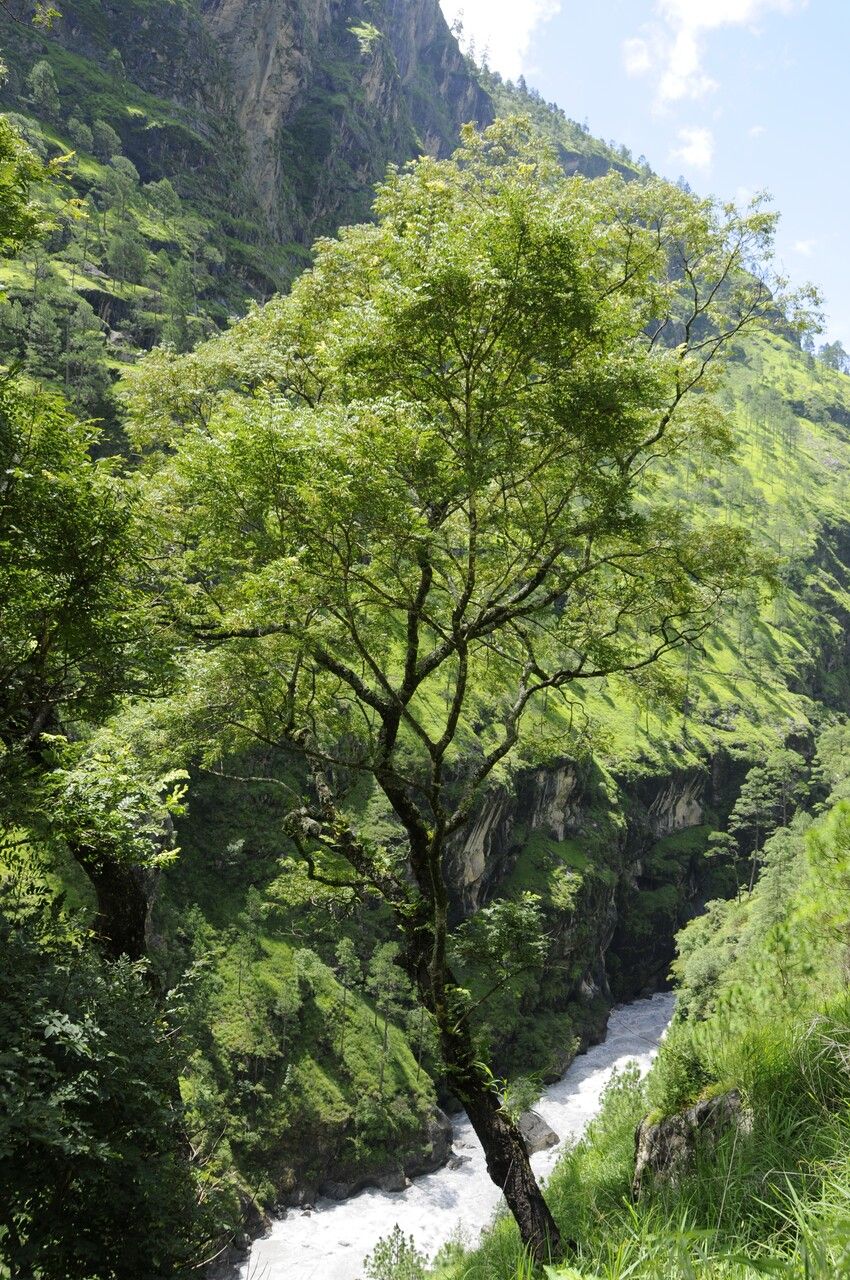
From Seed to Sapling: Propagating the Majestic Rosewood (Dalbergia pinnata)
The captivating aroma of rosewood, the rich, dark hue of its wood, and its enduring strength have enamored humans for centuries. This precious timber comes from various species of Dalbergia, and among them, Dalbergia pinnata holds a special place. This magnificent tree, native to South and Southeast Asia, is prized for its beauty and versatility, making it a sought-after species for both timber and ornamental purposes. But how can you grow your own rosewood tree? Enter the world of propagation!
Methods of Propagation:
Dalbergia pinnata can be propagated through several methods, each with its own advantages and disadvantages:
1. Seed Propagation:
- The Most Common Approach: This method is the most common and readily available, with seeds of Dalbergia pinnata being widely accessible.
- Germination Process: Seed germination requires patience and the right conditions. Soak the seeds in warm water for 24 hours before sowing them in a well-draining potting mix. Ensure the soil is consistently moist, maintaining a temperature around 25°C (77°F).
- Germination Time: Seedlings can emerge within two to six weeks, but they may take up to a few months to properly establish.
2. Cuttings:
- A Faster Option: While less common than seed propagation, cuttings offer a faster way to generate new plants.
- Taking Cuttings: Select healthy, semi-hardwood cuttings, approximately 10-15 cm long, from mature plants in late summer.
- Rooting Environment: Dip the base of the cutting in a rooting hormone powder and plant it in a mixture of perlite and vermiculite.
- Care and Maintenance: Maintain high humidity and a warm temperature to encourage root development.
3. Grafting:
- Preserving Unique Characteristics: Grafting is a technique that allows you to combine the desirable traits of two different Dalbergia pinnata varieties.
- Process: This method involves grafting a scion (cutting) from a desired variety onto a rootstock (young seedling).
Challenges of Propagation:
While propagating Dalbergia pinnata can be rewarding, it’s important to be aware of the challenges:
- Slow Growth: Rosewood trees are known for their slow growth rate, requiring ample patience and care during the initial stages.
- Seed Variability: Seed propagation can lead to variations in the timber’s quality and characteristics.
- Fungal Infections: Rosewood trees are susceptible to fungal infections, requiring proper sanitation and care to prevent issues.
Tips for Success:
- Choose the Right Location: Provide your rosewood tree with well-drained soil, plenty of sunlight, and adequate water.
- Fertilization: Use a balanced fertilizer to encourage healthy growth, but avoid over-fertilizing.
- Protection from Pests and Diseases: Regularly inspect your plants for signs of pests or diseases and address any issues promptly.
Conclusion:
Propagating Dalbergia pinnata can be a challenging but fulfilling journey. By understanding the different propagation methods, their intricacies, and the potential challenges, you can increase your chances of success. Growing your own rosewood tree is a testament to your dedication and an investment in the future, preserving the beauty and legacy of this magnificent species. So, roll up your sleeves, embrace the process, and witness the journey from seed to sapling, ultimately nurturing a timeless treasure – the rosewood tree.