
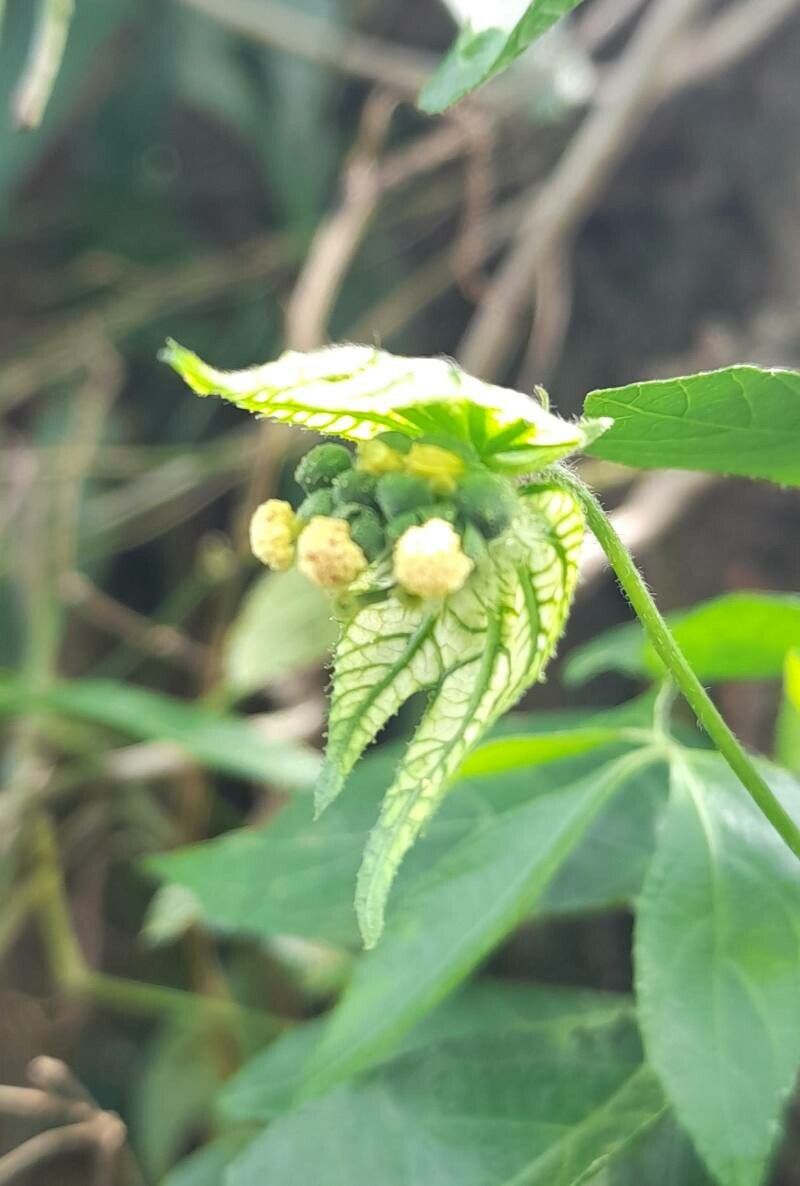
Taming the Tropical Temptress: A Guide to Propagating Dalechampia stenosepala
The world of exotic plants can seem daunting, full of Latin names and complicated care routines. But amongst these treasures hides the Dalechampia stenosepala, a plant whose beauty is matched only by its surprising ease of propagation. Ready to add a touch of the tropics to your home? Let’s delve into the art of multiplying this botanical gem.
Understanding the Beauty:
Before we get our hands dirty (literally!), let’s appreciate the subject of our endeavor. Native to Central and South America, the Dalechampia stenosepala charms with its vibrant pink bracts that enclose the true, tiny flowers. Often mistaken for petals, these bracts lend a long-lasting, flamboyant display to any space.
Propagation Pathways:
The good news is that the Dalechampia stenosepala offers not one, but two reliable methods of propagation: stem cuttings and seeds.
1. The Cutting Edge:
- Timing is Key: The best time to take cuttings is during the growing season – spring and early summer. This is when the plant is actively growing and has the best chance of rooting successfully.
- Making the Cut: Choose healthy, non-flowering stems. Using a clean, sharp knife or pruning shears, cut a 4-6 inch section just below a leaf node (the bump where a leaf emerges).
- Prep and Plant: Remove the leaves from the bottom inch of the cutting. Dip the cut end in rooting hormone (optional but helpful) and plant it into a well-draining potting mix.
- Root and Grow: Provide warmth, humidity, and indirect sunlight. Misting the cutting regularly helps maintain moisture. With patience, roots should form in a few weeks, eventually developing into a new plant.
2. Seeding the Future:
- Source Your Seeds: Dalechampia stenosepala produces small, inconspicuous seeds. While you can collect them yourself, purchasing from a reputable supplier often ensures better germination rates.
- Sowing the Seeds: Sow seeds in a well-draining seed starting mix, covering them lightly with soil.
- Creating a Microclimate: Place the seed tray in a warm, bright location, avoiding direct sunlight. Covering the tray with a humidity dome or plastic wrap helps maintain moisture.
- Germination and Beyond: Be patient; seeds can take several weeks to germinate. Once seedlings emerge and develop a few true leaves, they can be transplanted into individual pots.
Nurturing New Life:
Regardless of your chosen method, the key to success lies in providing the right environment:
- Light: Dalechampia stenosepala thrives in bright, indirect light. Avoid direct sunlight, which can scorch its delicate foliage.
- Water: Keep the soil consistently moist but not waterlogged. Allow the top inch to dry out between waterings.
- Humidity: This tropical beauty appreciates a humid environment. Regular misting or placing the pot on a pebble tray filled with water can help.
Troubleshooting Tips:
- Yellowing Leaves: This usually indicates overwatering. Allow the soil to dry out slightly before watering again.
- Leaf Drop: Sudden changes in temperature, drafts, or low humidity can cause leaf drop. Ensure stable conditions and adequate humidity.
Propagating Dalechampia stenosepala is a rewarding experience that allows you to multiply your plant collection and share its beauty with others. With a little patience and care, you can easily cultivate these stunning tropical plants, transforming your home into a vibrant oasis.