
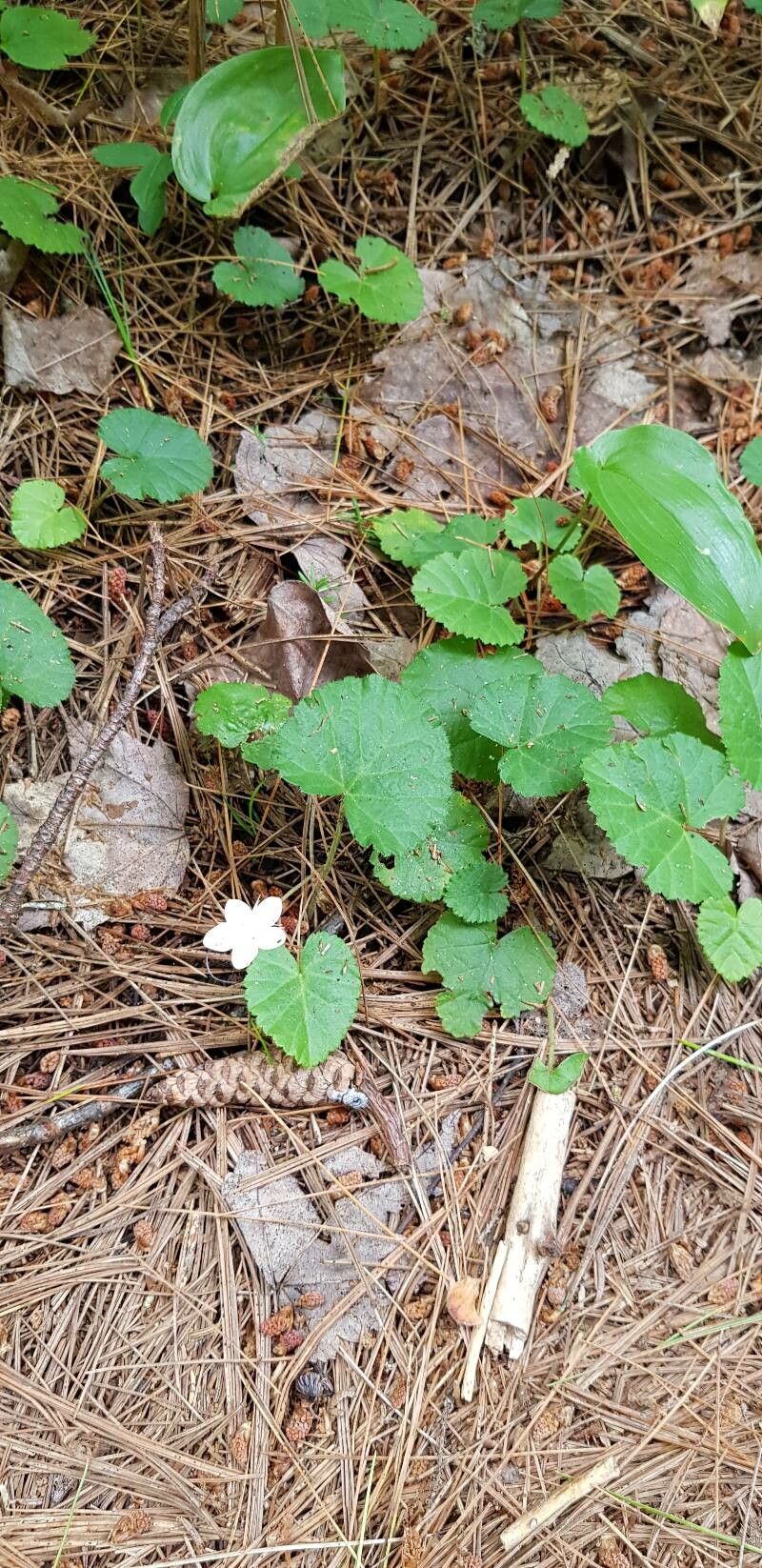
Unleash the Wild Beauty of Dalibarda repens: A Guide to Easy Propagation
Have you ever stumbled upon a patch of delicate, white flowers nestled amongst the mossy forest floor? If so, chances are you encountered the charming Dalibarda repens, also known as the “American Dewberry.” This petite wildflower boasts a captivating charm and is a joy to cultivate in shady gardens. But how can you share this beauty with others? The answer lies in propagation, and it’s surprisingly simple!
Understanding Dalibarda’s Quirks
Dalibarda repens doesn’t spread aggressively like some groundcovers. Instead, it spreads slowly through stolons, which are above-ground stems that root at the nodes. This makes it an ideal choice for naturalizing in shady areas and filling in gaps between larger plants.
Let’s Get Down to Roots: Propagation Methods
There are two primary ways to propagate Dalibarda repens:
1. Division: A Simple and Reliable Choice
This method is best done in early spring or late summer. Here’s how:
- Choose a healthy plant: Select a mature plant with a good amount of foliage and stolons.
- Separate the plant: Gently dig around the plant, loosening the soil. Gently pull the plant away from the main clump and use a sharp knife or gardening shears to divide the plant into sections. Each section should have at least a few stolons and roots attached.
- Plant the divisions: Create new planting holes that are slightly larger than the root ball of each division. Carefully place the divisions in the holes, ensuring the stolons are gently spread out. Fill in the hole with soil and water thoroughly.
2. Stolons: Taking advantage of nature’s way
Dalibarda repens naturally spreads through stolons. Leverage this natural characteristic to create new plants.
- Look for rooted stolons: Observe the plant for stolons that have rooted at the nodes. These will have new shoots starting to grow.
- Cut and plant: Carefully cut these stolons from the parent plant, ensuring that each section contains at least one rooted node.
- Plant in well-drained soil: Plant the cuttings in a moist, shady area with well-drained soil. Water them regularly.
Successful Propagation Tips
- Choose the right time: Spring and early summer are ideal for propagation, allowing the plants to establish themselves before the heat of summer.
- Use sharp tools: Ensure your knives or shears are clean and sharp for making precise cuts.
- Provide proper humidity: Maintain constant moisture in the soil, especially during the first few weeks after propagation.
- Protect from pests: Snails and slugs can be a problem, so consider using preventative deterrents.
Share the Beauty
Once you’ve successfully propagated Dalibarda repens, you can share your new plants with friends, family, or even donate them to your local garden club. You’ll be spreading the joy of this charming wildflower while adding a touch of woodland magic to your garden and beyond!