
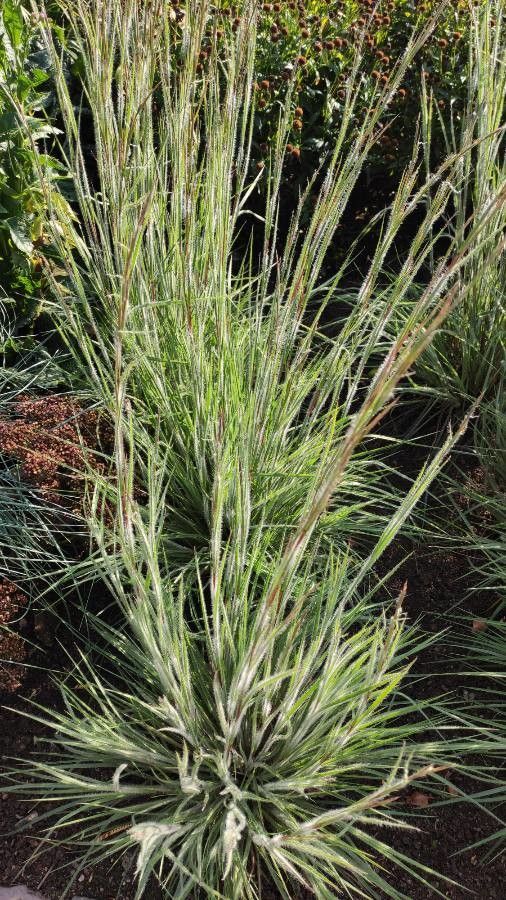
Unlocking the Secret Life of Danthonia Unispicata: A Guide to Propagation
If you’ve ever been captivated by the delicate, wispy beauty of Danthonia unispicata, also known as “Mountain Oat Grass,” you’ve likely wondered how to bring this unique plant into your own garden. The good news is that, while Danthonia unispicata can be a little finicky, propagation isn’t a mythical quest. This guide will unlock the secrets of successfully multiplying your own patch of this lovely grass.
From Seed to Sprout: A Tale of Patience and Precision
Danthonia unispicata, a graceful native of North America, is a slow-growing but determined plant. Propagation from seed is a viable but demanding option, requiring some patience and careful attention. The process begins with:
- Collecting Seeds: The seeds are small and are found inside the mature seed heads, which ripen and turn brown in late summer. Harvesting the heads just before they fully release their seeds is key!
- Sowing Seeds: Direct sowing in your chosen location is the ideal approach. This gives the seeds the chance to establish their roots in the exact spot they’ll call home. Sow the seeds in a well-drained, sunny spot in early spring or fall. Be mindful of the delicate nature of these seeds. Avoid burying them too deep; a light covering of soil is sufficient.
- The Waiting Game: Patience is the word! Danthonia unispicata seeds can take several weeks to germinate, and sometimes even longer. Consistent moisture and protection from direct sunlight are essential during this crucial period.
Dividing and Conquering: A More Immediate Approach
For those seeking a faster route to a lush Danthonia unispicata patch, division is a viable option. This method works best for established plants that have a healthy root system:
- The Right Time: The ideal time to divide Danthonia unispicata is during spring, when the plant is actively growing. Avoid disturbing the plant during its dormant period in winter.
- The Process: Carefully dig up the plant, using a sharp spade or garden fork. Gently shake off any excess soil and use a clean, sharp knife to divide the clump into smaller sections, each with healthy roots and at least a few strong stems.
- Replanting: Choose a sunny spot with well-drained soil and replant the divisions, ensuring the crown is at soil level. Water thoroughly and provide shade for the first week or two.
Tips for Success: Nurturing Your Danthonia Unispicata
Propagation is just the first step; ongoing care is essential for fostering a flourishing Danthonia unispicata:
- Light: This grass thrives in full sun to partial shade, making it an excellent choice for open gardens or borders.
- Soil: Well-drained soil is key as Danthonia unispicata is intolerant of damp, soggy conditions. A sandy loam or clay soil with good drainage is best.
- Water: Regular water is essential, particularly during dry periods, but ensure the soil doesn’t become waterlogged.
- Fertilizer: Danthonia unispicata generally doesn’t require heavy fertilization. A light application of compost or balanced fertilizer in early spring can be beneficial.
Harnessing the Beauty of Danthonia Unispicata
From its graceful, feathery foliage to its subtle, airy movement in the breeze, Danthonia unispicata is a treasure to behold. Its natural beauty seamlessly integrates into diverse landscaping styles, whether you’re crafting a meadow-like garden or adding texture to a rock garden or border.
By understanding the nuances of propagation and providing the right care, you can enjoy the elegance of Danthonia unispicata in your own garden, watching as it adds a touch of elegance and wild beauty to your outdoor space. And who knows? Maybe you’ll even inspire others to unlock the secret life of this enchanting grass.