
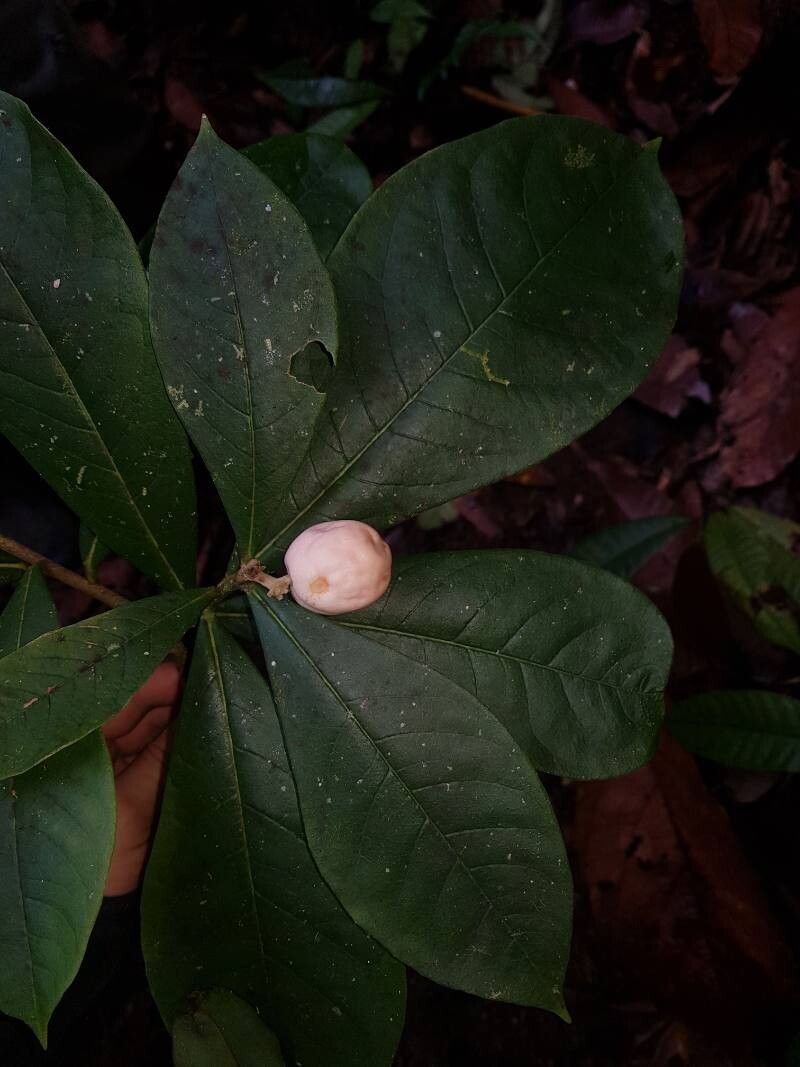
Bringing Home the Tropics: Propagating Daphnopsis costaricensis
Want to add a touch of the tropics to your home, but intimidated by the thought of starting from seeds? Fear not! With a little patience and effort, you can easily propagate your own Daphnopsis costaricensis, a captivating plant boasting lush, glossy foliage and intriguing branching patterns.
This native of Costa Rica is known for its adaptability and ease of propagation, making it a fantastic choice for both seasoned and budding plant enthusiasts. Let’s dive into the two primary methods:
1. Cuttings: A Quick Start
The quickest and most common method for propagating Daphnopsis costaricensis is through stem cuttings. Here’s what you’ll need:
- Sharp, clean cutting tool: This ensures clean cuts, minimizing damage and potential for infection.
- Rooting hormone (optional): This will boost rooting success, especially for beginners.
- Potting mix: A well-draining mix for faster root development is best.
- Clear plastic bag or dome: To create a humid environment ideal for root growth.
Here’s how to do it:
- Select a healthy, non-flowering stem. Look for a stem that’s about 4-6 inches long, with at least two nodes (bumps where leaves emerge).
- Make a clean cut just below a node. Use your tool to slice cleanly at a 45-degree angle.
- Remove lower leaves. Leave 1-2 leaves at the top of the cutting – they’ll help with photosynthesis.
- Dip the cut end into rooting hormone (optional). This will encourage root growth.
- Insert the cutting into your potting mix, ensuring the nodes are buried below the soil line.
- Water gently and place the pot in a bright, indirect light location.
- Cover the pot with the plastic bag or dome, to retain humidity.
- Maintain humidity and warmth. Regularly mist the cutting and monitor the moisture level in the pot.
Tips for Success:
- Choose the right time: Spring and summer are the best times for cuttings, as the plant is actively growing.
- Provide consistent warmth: A temperature around 70-75°F (21-24°C) is ideal for root development.
- Patience is key: Expect roots to appear in several weeks to a few months, depending on conditions.
- Monitor for signs of rooting: New growth and a more robust appearance indicate successful rooting.
2. Air Layering: A Gentle Touch
Air layering is a less common but effective method, especially for larger plants. This technique involves encouraging roots to develop on a branch while it’s still attached to the parent plant.
Here’s what you’ll need:
- Sharp, clean knife or razor blade
- Sphagnum moss
- Plastic wrap
- String or tape
Here’s how to do it:
- Choose a healthy, non-flowering branch. Select a branch with good growth about 1/2 inch in diameter.
- Make a cut in the branch. Using your knife, make a ring cut about 1 inch wide around the branch. Remove a thin layer of bark below the cut.
- Apply rooting hormone (optional). This will stimulate root development
- Wrap the wounded area with sphagnum moss. Keep the moss moist but not soaking wet.
- Cover the moss with plastic wrap. Secure the plastic wrap tightly to the branch using string or tape.
- Keep the moss moist. Regularly mist the plastic wrap and monitor moisture levels.
- Patience is crucial. Roots will usually develop in a few months to a year, after which you can cut the branch just below the newly formed roots.
Nurturing Your New Plants:
Once your cuttings or air layers have rooted, you can carefully remove them from their propagation setup and plant them in individual pots. Use a well-draining potting mix and pot them up slightly larger than the original rooting pot. Continue to provide bright, indirect light and regular watering, making sure the soil is consistently moist but not soggy.
Daphnopsis costaricensis offers a unique opportunity to bring the beautiful and exotic into your home. With a little guidance and dedication, you can easily propagate new plants, fostering a flourishing collection of this captivating tropical specimen, and sharing the experience with others. So, what are you waiting for? Get started on your own propagation journey today!