
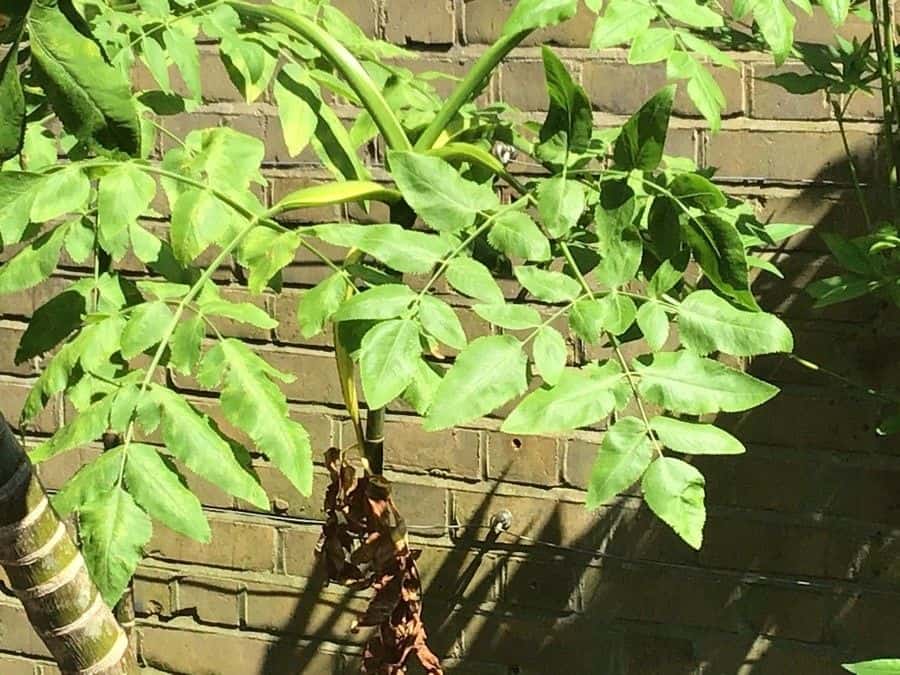
Taming the Wild Carrot: Propagating Daucus decipiens
The delicate beauty of Queen Anne’s Lace, with its lacy white umbels gracing meadows and roadsides, is a familiar sight. But did you know you can invite a touch of this wild charm into your own garden with its close relative, Daucus decipiens? This American native, also known as American Wild Carrot, boasts similar fern-like foliage and stunning floral displays, making it a unique and rewarding addition to any landscape.
While Daucus decipiens might look delicate, it’s surprisingly hardy and easy to propagate, even for beginner gardeners. Here’s how to successfully grow your own:
Method 1: Sowing Seeds
- Timing is Key: The best time to sow Daucus decipiens seeds is in the fall or early spring. Fall sowing mimics the plant’s natural cycle, allowing seeds to overwinter and germinate when conditions are ideal.
- Seed Preparation (optional): While not strictly necessary, cold stratifying the seeds for 2-4 weeks in the refrigerator can help improve germination rates, especially for spring sowing.
- Sowing: Choose a sunny to partially shaded location with well-draining soil. Sprinkle the seeds directly on prepared soil, lightly raking them in.
- Water and Patience: Keep the soil consistently moist until the seeds germinate, which can take anywhere from 2-4 weeks. Thin out seedlings to 12-18 inches apart once they have a few sets of true leaves.
Method 2: Division
- Timing: Divide established Daucus decipiens plants in early spring or fall when the weather is cool.
- Division Process: Carefully dig up the clump you wish to divide. Using a sharp, clean knife or garden spade, separate the plant into smaller sections, ensuring each section has a good amount of roots and shoots.
- Replanting: Replant the divisions immediately in prepared ground or pots, watering them in well.
Caring for Your Daucus decipiens
Once established, Daucus decipiens is relatively low-maintenance.
- Watering: Water regularly during the first growing season to establish a strong root system. Once established, they are relatively drought-tolerant.
- Soil: Well-draining soil is crucial to prevent root rot.
- Sunlight: While they tolerate partial shade, these plants thrive in full sun with at least 6 hours of direct sunlight per day.
- Fertilizer: Apply a balanced fertilizer in spring to encourage healthy growth and abundant blooms.
- Pests and Diseases: Daucus decipiens is generally pest and disease-free, although aphids and powdery mildew may occasionally be an issue. Treat infestations promptly with insecticidal soap or neem oil.
Bringing the Wild Home
Adding Daucus decipiens to your garden is a wonderful way to enjoy the beauty of wildflowers up close. Its lacy foliage adds texture, its delicate blooms attract beneficial pollinators like butterflies and bees, and its unique seed heads provide architectural interest late into the season. By following these propagation tips, you can welcome this charming wildflower and enjoy its understated elegance year after year.