
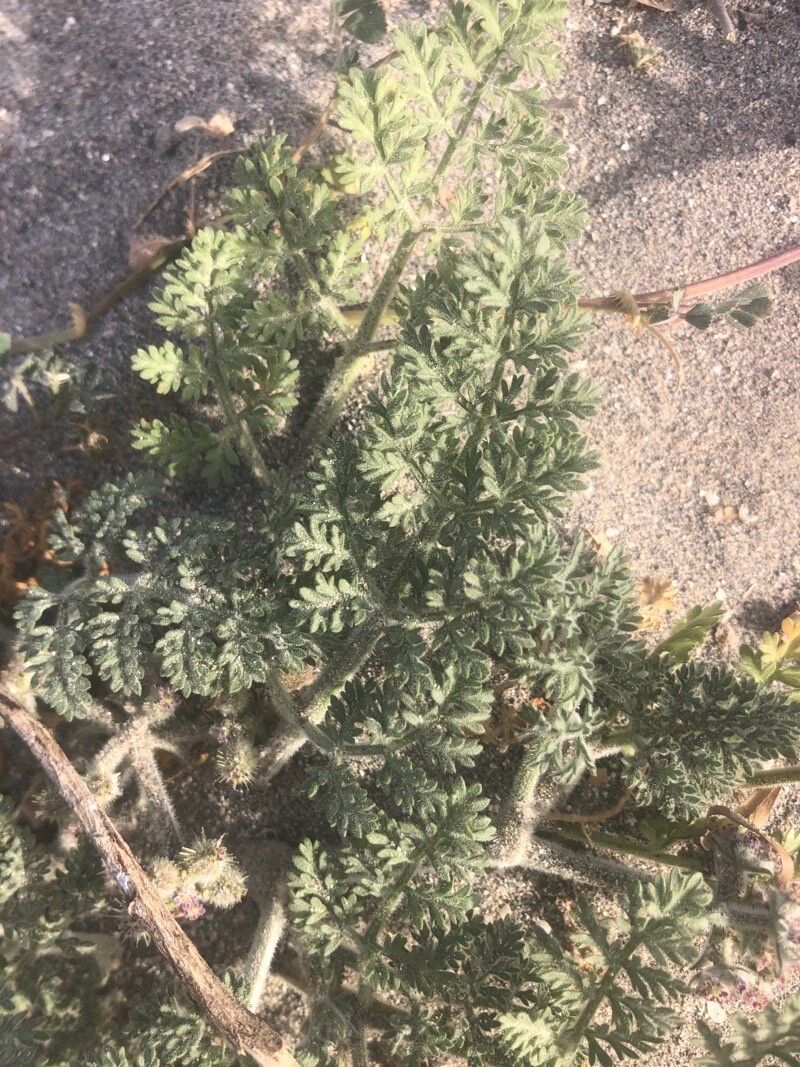
Propagating the Lilliputian Parsnip: A Guide to Daucus pumilus
Introduction:
Daucus pumilus, commonly known as the Lilliputian Parsnip or Dwarf Carrot, is a charming, diminutive member of the Apiaceae family. This low-growing annual or biennial, with its delicate, fern-like foliage and characteristic umbel of tiny white flowers, is gaining popularity amongst gardeners seeking unique and visually appealing additions to rock gardens, borders, or containers. Its compact size and drought tolerance make it an ideal choice for xeriscaping. However, its propagation presents some unique challenges, making successful cultivation all the more rewarding.
Seed Germination:
Seed germination in Daucus pumilus is viable, but can be challenging. The small seeds possess a hard seed coat, which can hinder water uptake and germination.
Challenges: Low germination rates are common unless specific techniques are employed.
Practical Tips: Scarification (nicking the seed coat with sandpaper or a file) can improve germination rates. Pre-soaking the seeds in warm water for 24 hours prior to sowing can also help. Sowing seeds directly outdoors in autumn for spring germination, or starting indoors 6-8 weeks before the last frost, is recommended. Use a well-draining seed starting mix and maintain consistently moist (but not soggy) conditions.
Rewards: Seed propagation offers the potential for high genetic diversity, leading to a wider range of plant characteristics. It is also the most cost-effective method for large-scale propagation.
Cuttings:
Currently, there are no known reliable methods for propagating Daucus pumilus from cuttings. The plant’s structure does not lend itself easily to successful vegetative propagation via cuttings.
Division:
Division is not a practical method for propagating Daucus pumilus. As mostly an annual plant (or short-lived biennial) it does not develop the extensive root system suitable for division.
Tissue Culture:
Tissue culture propagation of Daucus pumilus has not been extensively documented. While theoretically possible, it requires specialized equipment, sterile techniques, and expertise in plant tissue culture, making it impractical for most home gardeners. Further research is required to establish efficient protocols for this method.
Conclusion:
Propagating Daucus pumilus presents a unique set of challenges, primarily concentrated in the seed germination stage. While seed propagation offers the best chance of success, patience and attention to detail are crucial. Overcoming these hurdles, however, is deeply satisfying. The sight of these delicate plants emerging from tiny seeds, a testament to your efforts, brings a unique joy to the gardener. For those willing to embrace the challenge, the Lilliputian Parsnip offers a captivating addition to any garden, rewarding the persistent cultivator with its delightful charm and resilience. Don’t be discouraged by initial setbacks; experiment with different techniques, and celebrate the small victories along the way. The satisfaction of successfully propagating this charming plant far outweighs the effort invested.