
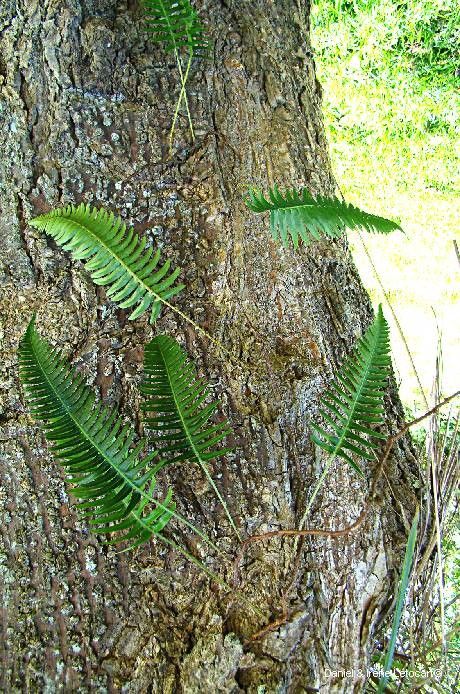
Propagating the Squirrel’s Foot Fern: A Guide to Davallia pectinata
Introduction:
Davallia pectinata, commonly known as the Squirrel’s Foot Fern, is a captivating epiphytic fern prized for its unique, rhizomatous growth habit. Its hairy, brown rhizomes, resembling tiny squirrel feet, sprawl across the surface of the soil or climb up supports, adding an unusual textural element to any collection. This characteristic, coupled with its delicate, finely divided fronds, contributes to its immense popularity among fern enthusiasts. However, propagating this charming fern presents some unique challenges, rendering its cultivation even more rewarding.
Seed Germination:
Currently, there are no known reliable methods for seed germination propagation of Davallia pectinata. Sporangia (spore-producing structures) are present on mature fronds, but the spores are notoriously difficult to germinate under controlled conditions, and the resulting gametophyte development is extremely challenging. Further research is needed to establish a viable seed germination protocol.
Cuttings:
Cuttings offer a moderately successful approach to propagating Davallia pectinata.
Challenges: Cuttings need to include a portion of the rhizome with at least one actively growing bud. Simply cutting a frond will not result in a new plant. Furthermore, the cuttings are prone to rot if not kept appropriately humid and well-ventilated.
Practical Tips: Take cuttings of approximately 5-10cm of rhizome, ensuring each cutting has a healthy growth bud. Plant the cuttings in a well-draining mix of peat moss and perlite, ensuring good humidity (e.g., using a propagator or covering with a clear plastic bag). Maintain consistent moisture, but avoid waterlogging. Keep the cuttings in filtered, bright light, avoiding direct sunlight.
Rewards: This method is relatively straightforward once the technique is mastered, resulting in a genetically identical clone of the parent plant. This can be advantageous for preserving desirable traits.
Division:
Division is arguably the most reliable and commonly used method for propagating Davallia pectinata.
Challenges: Requires a mature plant with sufficiently extensive rhizomes. Care must be taken to avoid damaging the rhizomes during the division process.
Practical Tips: Gently remove the plant from its pot. Carefully separate the rhizome into sections, ensuring each section contains numerous healthy fronds and a substantial portion of rhizome. Replant each section in a suitable potting mix, ensuring good drainage. Water gently and maintain high humidity until the divisions establish new growth.
Rewards: This method is relatively straightforward, offering a high success rate and quick multiplication of the parent plant.
Tissue Culture:
Tissue culture offers a potential route for large-scale propagation and the creation of disease-free plants.
Challenges: Requires specialized equipment, a sterile laboratory environment, and expertise in plant tissue culture techniques. The protocols for D. pectinata are not widely documented.
Practical Tips: This method is best left to experienced horticulturalists with access to the necessary resources.
Rewards: Tissue culture allows for the rapid multiplication of plants, creating a large number of genetically identical plants. It also provides the opportunity to eliminate pathogens, leading to healthier plants.
Conclusion:
Propagating Davallia pectinata presents both challenges and significant rewards. While seed germination remains elusive, cuttings and division provide viable methods for successful propagation. Tissue culture holds promise for mass production but requires specialized expertise. The unique challenges associated with cultivating this plant only serve to heighten the sense of accomplishment when a new fern unfurls its delicate fronds. The patience and persistence required are handsomely repaid by the beauty and unusual character of this charming squirrel’s foot fern. Don’t be discouraged by initial setbacks – persistence and attention to detail are key to success. Try the division method first and, with practice, you too can enjoy the rewarding experience of propagating this captivating species.