
Taming the Tasmanian: Successfully Propagating the Sunny Daviesia Corymbosa
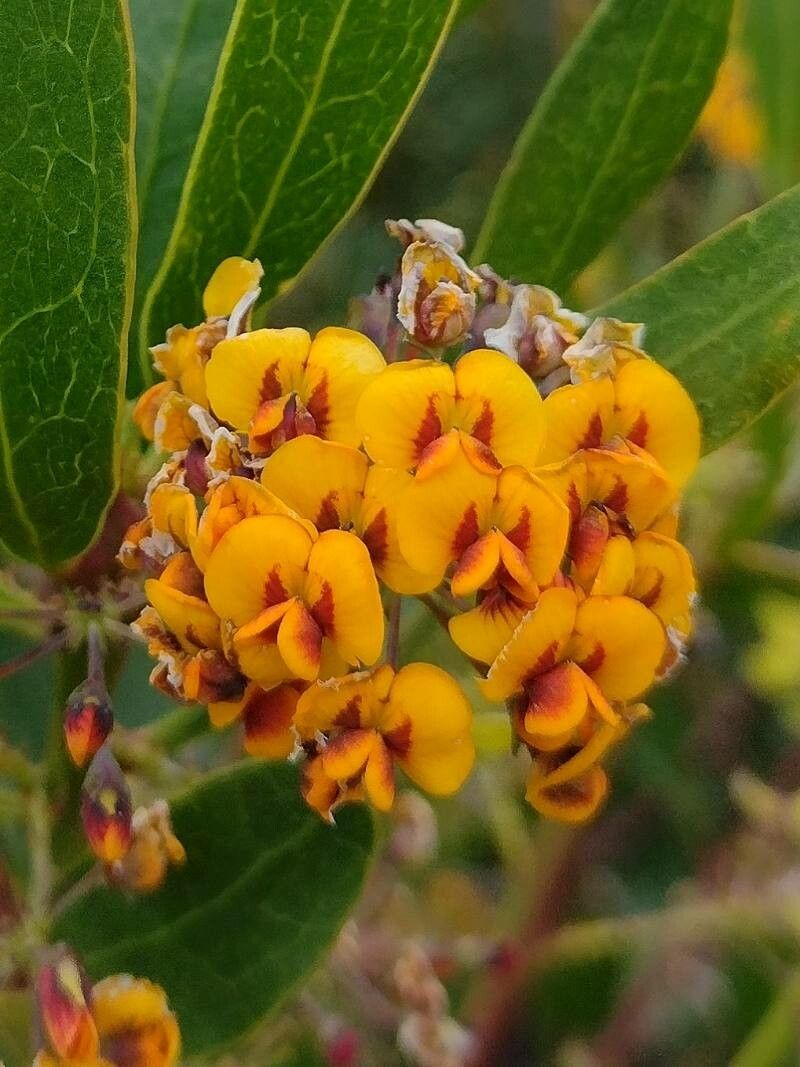
The Daviesia corymbosa, more affectionately known as the Clustered Bitter-pea, is a sight to behold. This Tasmanian native boasts vibrant yellow and orange pea-shaped flowers that burst forth in cheerful clusters, bringing life and color to any garden lucky enough to host them. But taming this wild beauty can feel daunting, especially when it comes to propagation. Fear not, fellow plant enthusiasts, for we’re about to unlock the secrets to successfully multiplying your very own Daviesia corymbosa!
Understanding the Challenge:
Before we delve into the “how-to,” let’s address the “why” behind the slight trickiness of propagating this stunning species. Daviesia corymbosa, like many Australian natives, has adapted to thrive in specific environments and can be a bit particular about its growing conditions. But don’t despair, with a little patience and the right techniques, success is well within reach.
Propagation Powerhouse: Seeds vs. Cuttings
While both seeds and cuttings can be used to propagate Daviesia corymbosa, each method comes with its own set of considerations:
1. Seed Starting: Embracing the Patience Game
- When to sow: Ideally, sow Daviesia corymbosa seeds in late winter or early spring.
- Pre-treating for success: These seeds benefit from a little “persuasion” to break their dormancy. You can achieve this by:
- Hot water treatment: Briefly soaking the seeds in hot (not boiling) water for 24 hours can mimic natural bushfire conditions and encourage germination.
- Scarification: Gently nicking or rubbing the seed coat with sandpaper can help moisture penetrate and speed up germination.
- Sowing the seeds: Use a well-draining seed-raising mix and sow the seeds shallowly, lightly covering them with soil. Keep the mix consistently moist but not waterlogged.
Patience is key with seed propagation. Germination can take anywhere from a few weeks to several months.
2. Cuttings: A Faster Path, If Done Right
- Timing is everything: Take cuttings in late spring or early summer when the plant is actively growing.
- Selecting the right cuttings: Choose healthy, semi-hardwood cuttings from the current season’s growth. They should be about 10-15 cm long.
- Creating the perfect environment: Remove the lower leaves from the cutting and dip the end in rooting hormone powder. Plant the cutting in a well-draining potting mix and keep it consistently moist in a warm, humid environment.
Using a propagation box or covering the pot with a plastic bag can help maintain humidity.
Nurturing Your New Plant Babies
Whether you choose seeds or cuttings, providing the right growing conditions is crucial:
- Well-draining soil: Daviesia corymbosa is susceptible to root rot, so good drainage is paramount.
- Sunlight requirements: While they appreciate some sunshine, protect your young plants from harsh afternoon sun, especially during the hotter months.
- Watering wisely: Water deeply but infrequently, allowing the soil to dry out slightly between waterings.
- Pest and disease control: Keep a watchful eye out for common garden pests and address any issues promptly.
A Rewarding Endeavor
Propagating Daviesia corymbosa might require a touch of patience and care, but the reward of witnessing these stunning plants thrive in your own garden is well worth the effort. So, embrace the challenge, put these tips into practice, and soon you’ll be enjoying a vibrant display of these cheerful Tasmanian natives for years to come!