
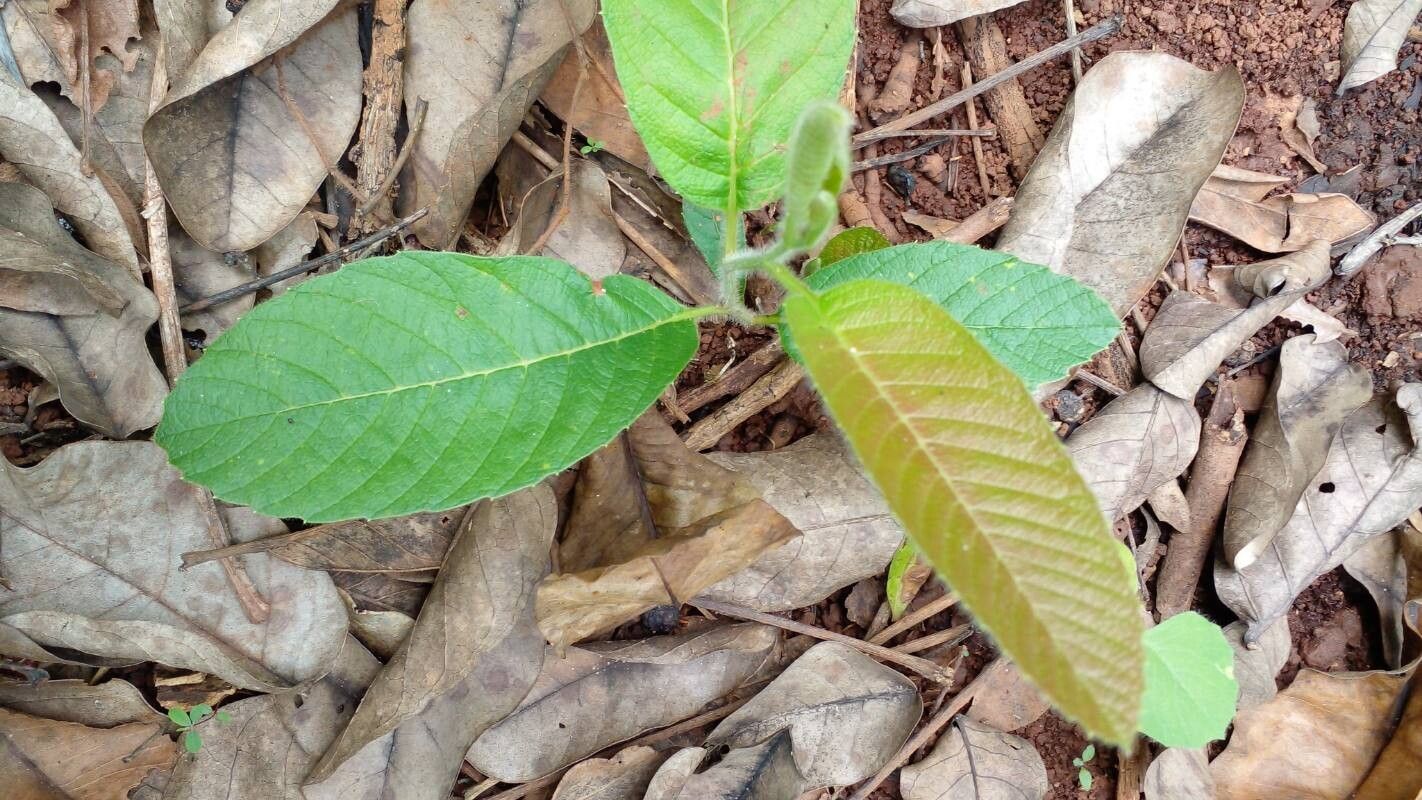
Unveiling the Secrets of Davilla Rugosa Propagation: A Guide for Plant Enthusiasts
Davilla rugosa, with its striking foliage and intriguing growth habit, is a hidden gem in the world of ornamental plants. This tropical beauty, native to South America, boasts textured leaves, vibrant flowers, and an alluring wildness that can elevate any garden space. But how do you add this unique species to your own collection? Let’s delve into the art of Davilla rugosa propagation.
Understanding the Plant:
Before we dive into propagation, it’s essential to understand Davilla rugosa’s natural tendencies. This fast-growing, evergreen climber thrives in warm, humid climates and well-drained soil. Knowing its preferences will set the stage for successful propagation.
Methods for Success:
While not commonly propagated, Davilla rugosa can be multiplied through two primary methods:
1. Seed Propagation:
- The Challenge: Finding viable seeds can be tricky, as Davilla rugosa is not widely cultivated, and seed availability is limited.
- The Process: If you are lucky enough to obtain seeds, soak them in warm water for 24 hours before sowing in a well-draining seed-starting mix. Keep the soil consistently moist and provide warmth (around 75°F or 24°C) and humidity. Be patient, as germination can be slow and erratic.
2. Semi-Hardwood Cuttings:
- Best Time: Spring or early summer, when the plant is actively growing, offers the highest chance of success.
- The Process:
- Select healthy, semi-hardwood stems (not too soft, not too woody) from the current year’s growth. Ideally, cuttings should be about 4-6 inches long.
- Remove the lower leaves, leaving 2-3 leaves at the top.
- Dip the cut end in rooting hormone powder (optional but recommended) to encourage root development.
- Plant the cuttings in a well-draining potting mix, burying the bottom node (where the leaves were removed).
- Cover the pot with a plastic bag or humidity dome to maintain moisture.
- Place the cuttings in a warm, bright location but out of direct sunlight.
- Check for root development after 4-6 weeks. Once roots form, you can gradually acclimate the cuttings to normal humidity before potting them up individually.
Tips for Success:
- Warmth and Humidity are Key: Mimic Davilla rugosa’s natural environment by providing warmth and humidity throughout the propagation process.
- Patience is a Virtue: Propagation can take time, especially from seeds. Don’t be discouraged if you don’t see results immediately.
- Cleanliness Matters: Use sterile tools and potting mix to prevent fungal or bacterial diseases that can hinder root development.
Propagating your own Davilla rugosa is a rewarding experience, allowing you to expand your plant collection and share this unique species with fellow enthusiasts. While it may require some patience and care, successfully bringing forth new life from seed or cuttings is a testament to the magic of plant propagation.