
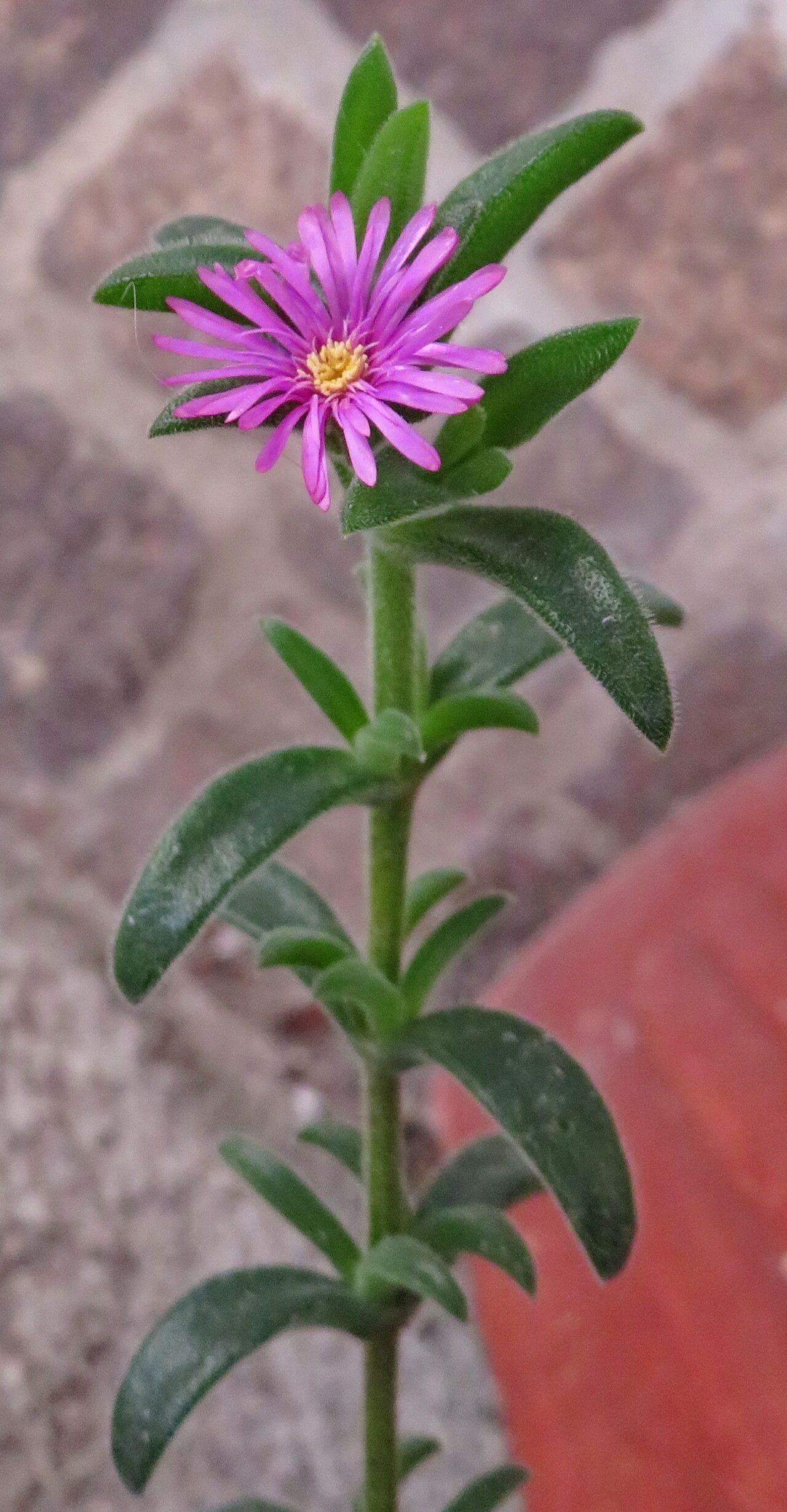
Propagating Delosperma ashtonii: A Gardener’s Guide to the Hardy Ice Plant
Delosperma ashtonii, commonly known as the Hardy Ice Plant or sometimes the “pink ice plant”, is a prized succulent for its vibrant pink flowers and exceptional drought tolerance. Its low-growing, mat-forming habit makes it ideal for rock gardens, ground cover, or spilling over walls. The ease with which it thrives in poor soil and scorching sun contributes significantly to its popularity among gardeners, but propagation can present some unique challenges. This article explores various methods, weighing their effectiveness and providing practical advice.
Seed Germination:
Currently, there are no known reliable methods for seed germination propagation of Delosperma ashtonii. While some Delosperma species readily reproduce from seed, D. ashtonii appears to be recalcitrant in this regard. Further research into specific germination requirements, including potential stratification techniques or hormonal treatments, may be necessary to unlock successful seed propagation.
Cuttings:
Challenges: Cuttings offer a more reliable propagation method for Delosperma ashtonii. However, success hinges on proper technique to prevent rot. The succulent nature of the plant means it’s prone to water retention and subsequent fungal infections.
Practical Tips: Take stem cuttings of about 4-6 inches long in spring or summer. Allow the cut ends to callous over for a few days before planting. Use a well-draining, sandy potting mix. Plant the cuttings shallowly, ensuring only the bottom node is buried. Water sparingly, allowing the soil to dry completely between waterings. Propagation under cover, with good ventilation to prevent fungal growth, is recommended. Rooting hormones can improve success rates.
Rewards: Cuttings offer a relatively quick and straightforward method of multiplying existing plants, preserving the genetic characteristics of the parent plant. It’s a particularly suitable method for smaller-scale propagation.
Division:
Challenges: Division is easiest when the plant is established and has formed a dense mat. Care must be taken to avoid damaging the fragile roots during separation. Large clumps can be challenging to divide and replant effectively.
Practical Tips: Wait until spring or early summer, and carefully dig up the entire plant. Gently separate the clump into smaller sections, ensuring each division has a healthy root system and sufficient stems. Replant the divisions in well-draining soil, spacing them appropriately to allow for growth. Water sparingly until the plants establish themselves.
Rewards: Division is a rapid method for increasing the number of plants, particularly for larger, existing specimens. This method is suitable for large-scale propagation given sufficient mature plants.
Tissue Culture:
Challenges: Tissue culture is a complex and specialized method requiring sterile conditions, specific growth media, and expertise. Establishing a reliable protocol for Delosperma ashtonii would require significant research and investment. This method is not feasible for the average home gardener.
Practical Tips: This method is best left to research institutions or commercial propagators with access to the necessary equipment and expertise.
Rewards: Tissue culture allows for the rapid multiplication of plants under controlled conditions, potentially creating disease-free plantlets in large quantities.
Conclusion:
Propagating Delosperma ashtonii presents unique challenges, with seed propagation currently proving unreliable. Cuttings offer the most practical approach for home gardeners, while division is suitable for larger plants. Tissue culture represents a potentially high-volume method but requires specialized knowledge and resources. The rewards, however, are significant. Successfully cultivating Delosperma ashtonii, whether through cuttings or division, is deeply satisfying. The resilience and beauty inherent in this hardy plant make the effort well worthwhile. For aspiring propagators, remember patience and attention to detail are key to successful propagation: proper drainage, judicious watering, and appropriate environmental conditions are pivotal for overcoming the challenges involved.