
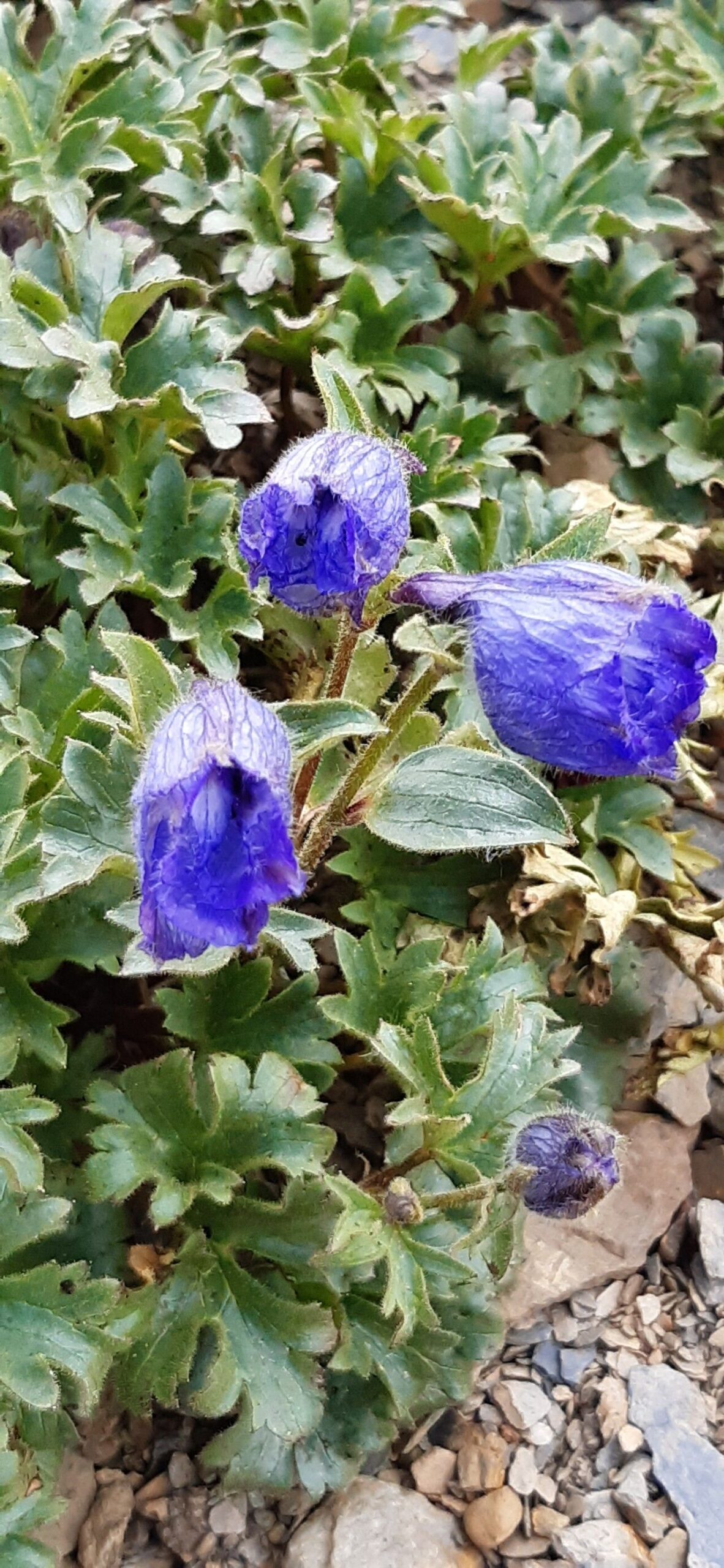
Taming the Elusive Bloom: Propagating the Himalayan Delight, Delphinium brunonianum
The Delphinium brunonianum, also known as the Musk Larkspur, is not your typical garden variety flower. Hailing from the harsh, high-altitude terrains of the Himalayas, this unique species captivates with its intoxicating musk-like scent and stunning bluish-purple blooms. But beauty often comes with a touch of challenge, and this certainly rings true when it comes to propagating this Himalayan gem.
If you’re up for the rewarding task of growing Delphinium brunonianum, understanding its propagation nuances is key. Unlike its easier-to-grow cousins, this species demands a bit more finesse and patience.
Let’s explore the two main methods for propagating Delphinium brunonianum:
1. Seed Propagation: A Test of Patience
For those who find joy in nurturing life from its very beginning, seed propagation offers a rewarding, albeit longer, route. Here’s a breakdown of the process:
- Seed Collection: Harvest seeds in late summer after the blooms have faded and seed pods have dried.
- Cold Stratification: Mimic the Himalayan winter by storing seeds in moist vermiculite within a refrigerator for 4-6 weeks. This crucial step breaks seed dormancy.
- Sowing: In spring, sow seeds in a well-draining seed starting mix. Lightly press the seeds onto the surface and barely cover them with soil.
- Patience is Key: Germination can be erratic, taking anywhere from a few weeks to several months. Maintain consistent moisture and a cool environment.
2. Basal Cuttings: A Quicker Path to Blooms
For a faster and often more successful method, basal cuttings are the way to go:
- Timing is Everything: Take cuttings in early spring when new growth begins to emerge at the base of the plant.
- Select and Prepare: Choose healthy, non-flowering shoots. Using a sharp, sterilized knife, cut a 3-4 inch section just above a leaf node.
- Encourage Rooting: Remove the lower leaves and dip the cut end in rooting hormone for a boost.
- Plant and Protect: Plant the cuttings in a well-draining potting mix. Provide gentle bottom heat and a humid environment by covering the pot with a plastic bag or using a humidity dome.
Essential Tips for Success:
Regardless of your chosen propagation method, keep in mind these crucial tips:
- Drainage is Paramount: Delphiniums despise soggy roots. Ensure excellent drainage in both your chosen potting mix and the eventual planting location.
- Sun Seeker with a Cool Disposition: Opt for a location that receives morning sun and afternoon shade, especially in warmer climates.
- Well-Ventilated Environment: Good air circulation is crucial, particularly for seedlings and cuttings, to prevent fungal diseases.
While propagating Delphinium brunonianum requires a touch more patience and care than some other plants, the reward of enjoying its captivating beauty and intoxicating fragrance in your own garden is well worth the effort. So, roll up your sleeves, channel your inner horticulturalist, and embark on the journey of growing this Himalayan delight!