
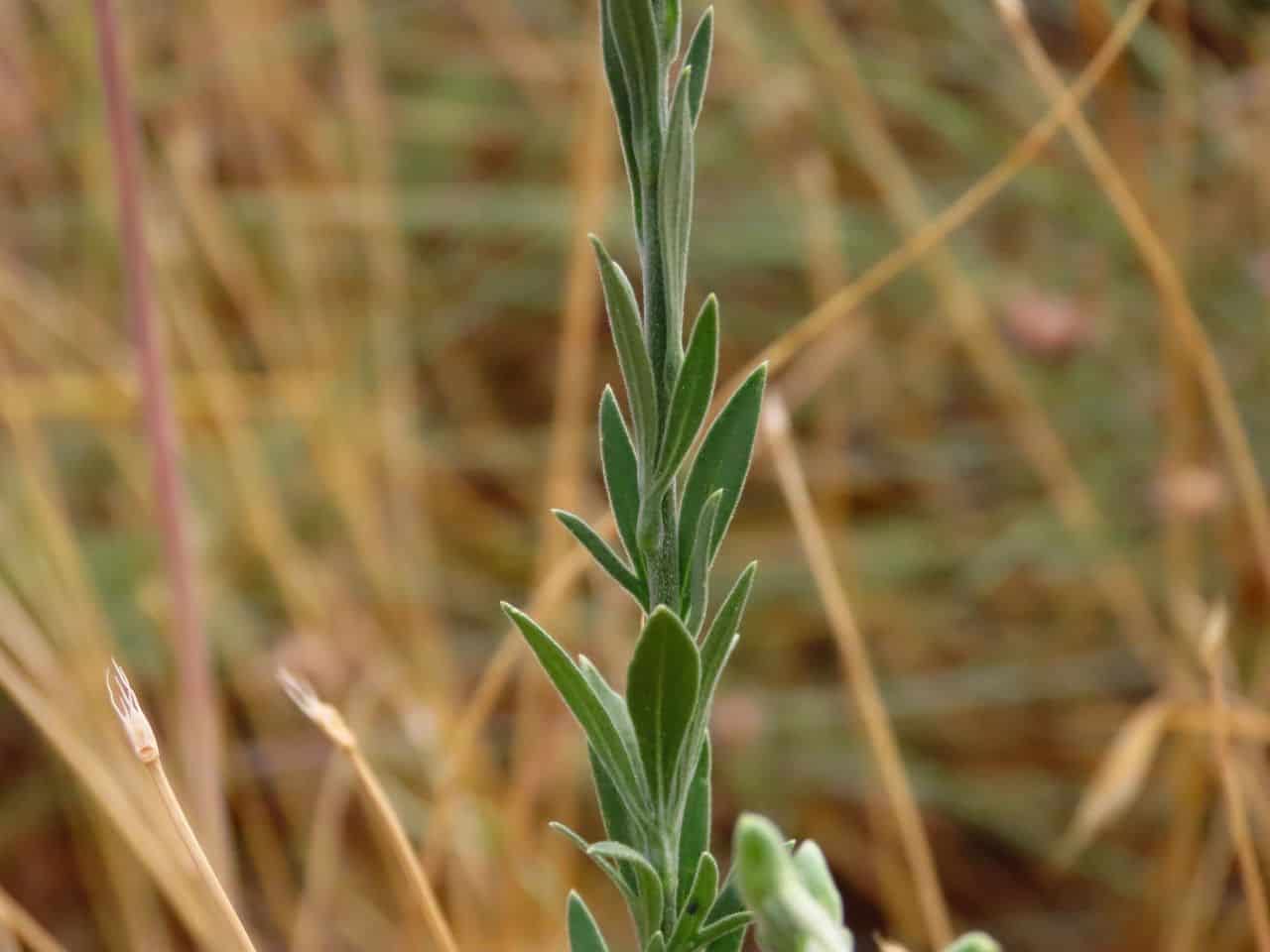
Taming the Larkspur: Propagating Delphinium halteratum for a Symphony of Blue
Delphinium halteratum, with its delicate sky-blue blossoms, is a sight to behold. Unlike its larger, showier cousins, this wild larkspur possesses an understated charm, adding a touch of whimsical beauty to any garden. If you’ve been lucky enough to encounter this charmer, you’re probably wondering how to welcome more into your life. Fear not, propagating Delphinium halteratum, while not common, is achievable with a bit of patience and the right know-how.
Seeds of Potential: Your Primary Path to Propagation
Delphinium halteratum is most successfully propagated through seeds. Here’s how to nurture these tiny capsules of potential into thriving plants:
Harvesting Hope: Keep a watchful eye on your plant after flowering. As the blossoms fade, they’ll be replaced by small seed pods. Collect them when they turn brown and papery, but before they burst open, scattering seeds to the wind.
Chill Out Time: Delphinium halteratum seeds benefit from a period of cold stratification, mimicking natural winter conditions. Store your collected seeds in a refrigerator (around 4°C) for 4-6 weeks. You can mix them with slightly damp vermiculite or store them in a sealed bag.
Sowing the Seeds: In early spring, sow your chilled seeds in seed trays or pots filled with a well-draining seed-starting mix. Scatter them on the surface and lightly press them in, as they need light to germinate.
Patience is Key: Maintain consistent moisture and place the trays in a bright location, but out of direct sunlight. Germination can be slow and erratic, sometimes taking several weeks or even months.
- Growing Strong: Once seedlings develop a few sets of true leaves, thin them out, leaving the strongest ones to thrive. When the seedlings are large enough to handle, transplant them into individual pots or directly into your garden.
Division: A Less Reliable, but Possible Option:
While not as common, division can be attempted in early spring or fall. Carefully dig up a mature plant, ensuring to preserve as much of the root system as possible. Divide the plant into sections, each containing a good amount of roots and shoots. Replant the divisions immediately and water them well. However, be prepared for a lower success rate compared to seed propagation.
Creating the Ideal Environment:
Delphinium halteratum prefers a sunny location with well-drained soil. It’s relatively low-maintenance but appreciates regular watering, especially during dry periods. Deadheading spent flowers not only encourages more blooms but also helps prevent unwanted self-seeding, which can be prolific.
Adding a Touch of Blue to Your World:
Though propagating Delphinium halteratum requires a bit of effort, the reward is well worth it. Imagine a sea of delicate blue blossoms swaying gracefully in your garden, attracting pollinators and captivating your senses. With patience and care, you can turn this dream into a reality, adding a touch of wild, natural beauty to your outdoor space.