
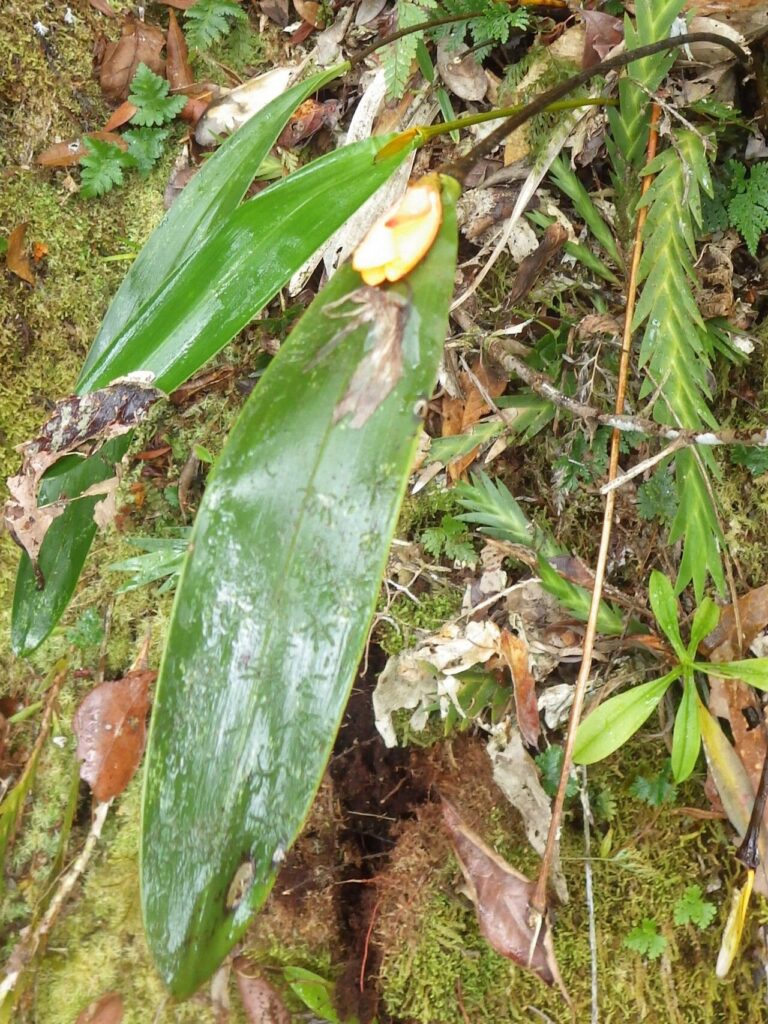
Propagating Dendrobium auricolor: A Golden Orchid’s Challenges and Rewards
Dendrobium auricolor, also known as the Golden Dendrobium, is a captivating orchid prized for its vibrant, golden-yellow flowers with a subtly fragrant aroma. Its pendulous growth habit and relatively compact size make it a desirable addition to any orchid collection, contributing to its popularity among hobbyists and seasoned growers alike. However, propagating this species presents unique challenges, stemming from its specific growth requirements and somewhat recalcitrant nature. This article explores the various propagation methods, weighing the challenges against the rewards.
Seed Germination:
Currently, there are no known reliable methods for seed germination propagation of Dendrobium auricolor. Orchid seeds are notoriously tiny and lack endosperm, requiring a symbiotic relationship with specific mycorrhizal fungi for successful germination. Establishing this symbiotic relationship in a controlled environment is extremely difficult even for experienced orchid growers, and to date, no protocols have been successfully developed for D. auricolor.
Cuttings:
Propagating Dendrobium auricolor from cuttings is also unreliable. While some Dendrobium species can be propagated via stem cuttings, D. auricolor generally does not readily produce new shoots from stem sections. Attempts at propagation using this method often result in rotting before root development occurs. While there is a theoretical possibility of success by employing specialized rooting hormones and consistently sterile conditions, the success rate would likely be very low, making this method impractical for most hobbyists.
Division:
Division is the most practical and reliable method for propagating Dendrobium auricolor. This involves carefully separating mature plants into multiple sections, each containing several pseudobulbs and healthy roots.
- Challenges: The primary challenge is ensuring each division receives sufficient root mass to survive. Overly aggressive division can weaken or kill the entire plant. Proper sterilization of cutting tools is crucial to prevent fungal or bacterial infections.
- Tips: Divide only during the orchid’s active growing phase. Utilize sharp, sterilized tools. Ensure each division has at least three pseudobulbs and a substantial portion of healthy root system. Plant the divisions in a well-draining potting mix, ensuring good air circulation around the roots.
- Rewards: Division offers a relatively high success rate and allows for quick multiplication of mature plants. It’s the most accessible method for most home orchid growers.
Tissue Culture:
Tissue culture offers the potential for large-scale propagation of Dendrobium auricolor and is the most reliable method for commercially propagating this orchid for mass production.
- Challenges: This method requires specialized equipment, a sterile laboratory environment, and a detailed understanding of plant tissue culture techniques. It is not a feasible option for the average hobbyist due to its technical demands and specialist expenses.
- Tips: Sterilization and meticulous aseptic practices are paramount. Selection of appropriate culture media and growth regulators is key to successful plantlet development.
- Rewards: Tissue culture allows for the rapid multiplication of genetically identical plants, offering significant potential for conservation and commercial production. It minimizes the risk of disease transmission and secures the replication of desirable traits.
Conclusion:
Propagating Dendrobium auricolor presents significant challenges across all methods. While seed germination and stem cuttings presently appear impractical, division offers the most accessible and reliable method for home growers. Tissue culture, although complex, holds the key to large-scale propagation and could safeguard the future of this stunning golden orchid. The satisfaction of successfully cultivating D. auricolor, regardless of the propagation method, is immense. The journey, characterized by learning and perseverance, is arguably as rewarding as the sight of healthy, flowering plants born from the dedication of a passionate propagator. Don’t be discouraged by the challenges; embrace the learning process, and the golden blooms will eventually reward your efforts.