
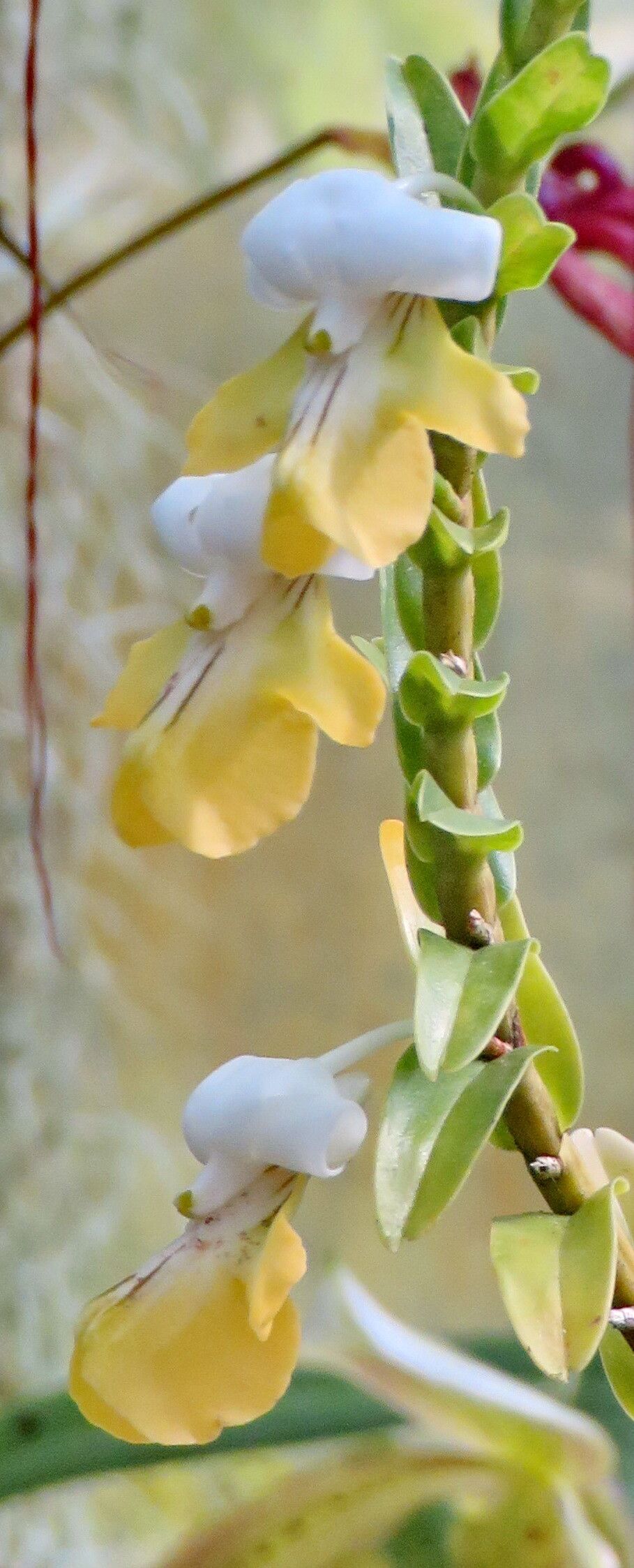
Propagating Dendrobium austrocaledonicum: A Gardener’s Guide
Dendrobium austrocaledonicum, sometimes referred to as the New Caledonia Dendrobium, is a captivating orchid species endemic to its namesake island. Characterized by its slender, cane-like pseudobulbs and often pendulous sprays of delicate, usually white or pale-colored flowers, it holds a special place in the hearts of orchid enthusiasts for its unique beauty and relative ease of cultivation (compared to some other Dendrobiums). Its popularity amongst gardeners, however, hasn’t led to a wealth of readily available propagation information. This article explores the current understanding of propagating this intriguing orchid.
Seed Germination:
Currently, there are no known reliable methods for seed germination propagation of Dendrobium austrocaledonicum. Orchid seeds are famously minute and lack endosperm (the nutrient-rich tissue that supports seedling growth in many other plants). They require a symbiotic relationship with specific mycorrhizal fungi to germinate successfully. Creating and maintaining this symbiotic relationship in a controlled environment is a highly specialized process, far beyond the capabilities of the average hobbyist. Further research is needed to determine if specific fungal partners for D. austrocaledonicum can be identified and utilized for effective seed germination.
Cuttings:
Propagating Dendrobium austrocaledonicum via cuttings is also generally considered unreliable. While some Dendrobium species can be propagated from stem cuttings, D. austrocaledonicum seems less responsive to this method. The success rate is very low, and the cuttings often fail to root or produce new growths. Attempts might involve taking a section of mature pseudobulb with at least one node, treating the cut end with a rooting hormone, and planting it in a well-draining medium. However, consistent success using this technique is unlikely.
Division:
Division is the most practical and reliable method for propagating Dendrobium austrocaledonicum. This involves carefully separating a mature plant into multiple sections, each containing several pseudobulbs and roots. It’s best done during the plant’s active growth period, typically after flowering.
- Challenges: The main challenge lies in ensuring each division has a sufficient root system and enough pseudobulbs to support itself. Damaging the roots during division can significantly impede the plant’s ability to recover.
- Practical Tips: Use a sharp, sterile knife or shears to minimize damage. Carefully inspect the plant to identify natural divisions, making clean cuts. Repot each division into a well-draining potting mix suitable for orchids, avoiding overwatering.
- Rewards: Division ensures the propagation of genetically identical plants, maintaining desirable traits. It is also relatively straightforward, making it accessible to orchid enthusiasts of all skill levels.
Tissue Culture:
Tissue culture offers the potential for large-scale propagation of Dendrobium austrocaledonicum, allowing for the creation of many clones from a small amount of plant material. However, this method requires specialized equipment, sterile conditions, and knowledge of plant tissue culture techniques. It’s generally not a feasible method for home hobbyists.
- Challenges: Establishing a sterile lab environment, acquiring the necessary media and growth regulators, and mastering the intricate techniques involved are significant obstacles.
- Practical Tips: This method is best left to professionals or well-equipped laboratories.
- Rewards: Tissue culture provides a way to propagate disease-free plants and produce large numbers of plants quickly and efficiently.
Conclusion:
Propagating Dendrobium austrocaledonicum presents varying degrees of difficulty depending on the chosen method. While seed germination and stem cuttings are largely unsuccessful, division presents a feasible option for home cultivation. Tissue culture holds the key to mass propagation but demands significant expertise and resources. The unique satisfaction derived from cultivating this species comes not only from the aesthetic beauty of its flowers but also from overcoming the challenges associated with its propagation. For aspiring propagators, starting with division is recommended. Patience, attention to detail, and a thorough understanding of the plant’s needs are pivotal to success. The reward of successfully cultivating and propagating this elegant orchid from a single division is a testament to perseverance and dedication within the wonderful world of orchids.
