
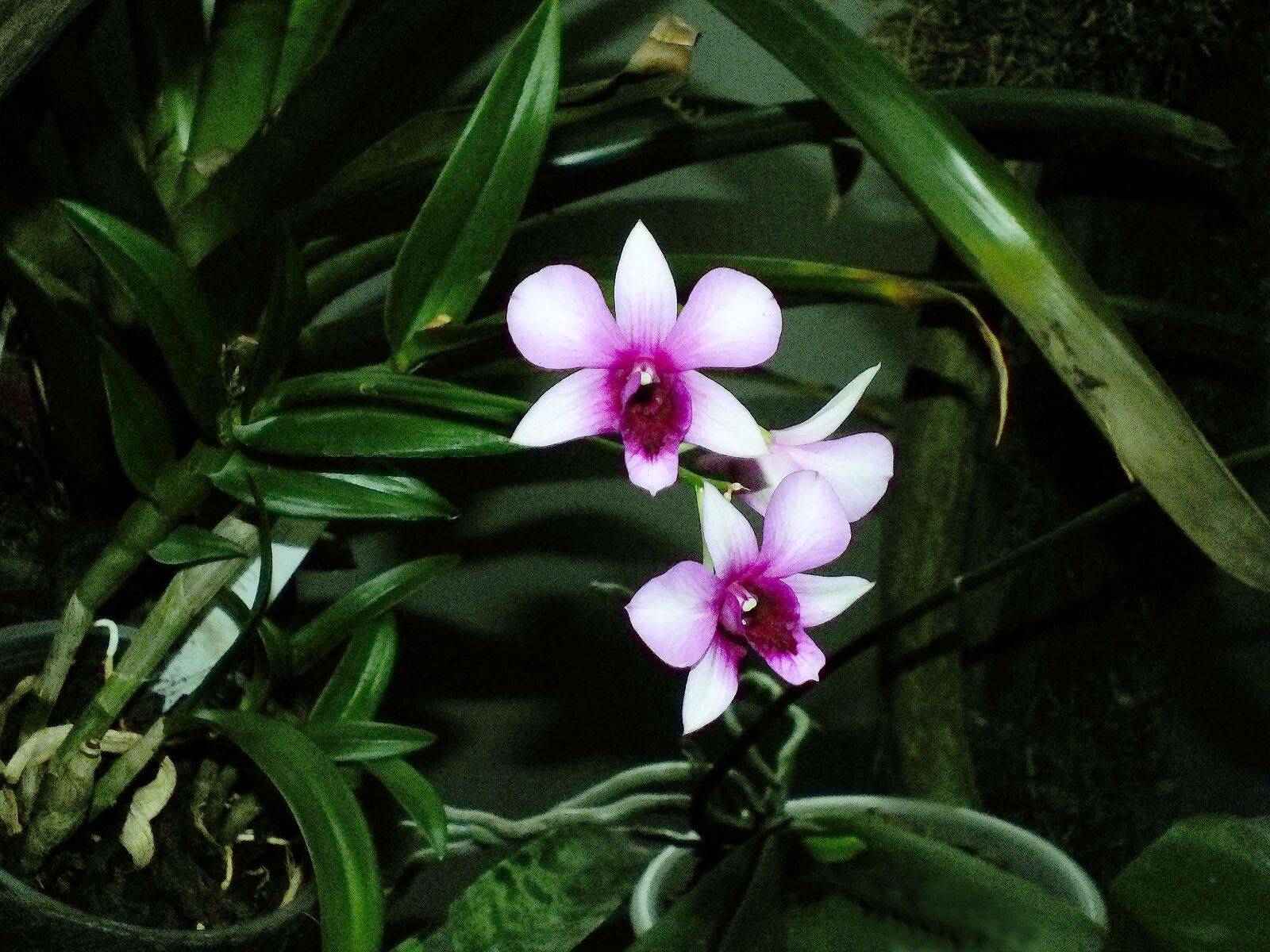
Unveiling the Secrets: How to Multiply Your Dendrobium Bigibbum Orchid
The Dendrobium bigibbum, also known as the Cooktown Orchid and the floral emblem of Queensland, Australia, is a captivating beauty. Its vibrant blooms and graceful structure make it a prized possession for orchid enthusiasts. But did you know that you can easily multiply your prized orchid and spread the beauty? Let’s delve into the world of Dendrobium bigibbum propagation and discover how you can create new plants from your existing one.
Understanding the Methods
Dendrobium bigibbum, like many orchids, can be propagated in several ways. Here are the most common methods:
Keikis: These are essentially baby plants that grow along the length of the cane. They’ll often sprout their own roots. Once the keiki’s roots are a couple of inches long, carefully detach it from the mother plant. Pot the keiki in a well-draining orchid mix and provide it with humidity and indirect light until it’s established.
Back Bulbs: Older, leafless canes on your Dendrobium bigibbum are called back bulbs. Don’t discard them! Carefully remove these bulbs from the plant. You can place them in a shallow tray with moist sphagnum moss or lay them horizontally on a slightly damp orchid mix. Provide indirect light and moderate humidity. With patience, you’ll see new growth emerging from the nodes of these back bulbs.
- Division: While not as common as keiki or back bulb propagation, division can be done on larger, mature Dendrobium bigibbum. When repotting, carefully separate the plant into sections, ensuring each section has a healthy amount of canes and roots. Pot them in a well-draining mix and care for them as usual.
Tips for Success
Timing is Key: The best time for Dendrobium bigibbum propagation is during the active growing season, which is typically spring and early summer.
Sharp and Sterile Tools: Always use sharp, sterilized tools when dividing or removing plant parts to minimize the risk of disease.
Proper Potting Mix: A well-draining orchid mix is crucial for Dendrobium bigibbum. A mix formulated for epiphytic orchids or a combination of bark chips, perlite, and coco husk works well.
- Patience is a Virtue: Orchid propagation takes time. Don’t be discouraged if you don’t see results overnight. Keep the environment humid, provide bright, indirect light, and wait patiently for new growth.
The Rewards of Propagation
Propagating your Dendrobium bigibbum is not only a cost-effective way to expand your orchid collection, but it also connects you to the remarkable cycle of plant life. It’s incredibly rewarding to nurture a new plant from its infancy and witness its transformation into a stunning, blooming orchid.
So, why not give it a try? With a little patience and the right knowledge, you can unlock the secrets of Dendrobium bigibbum propagation and enjoy the beauty of these orchids for years to come.