
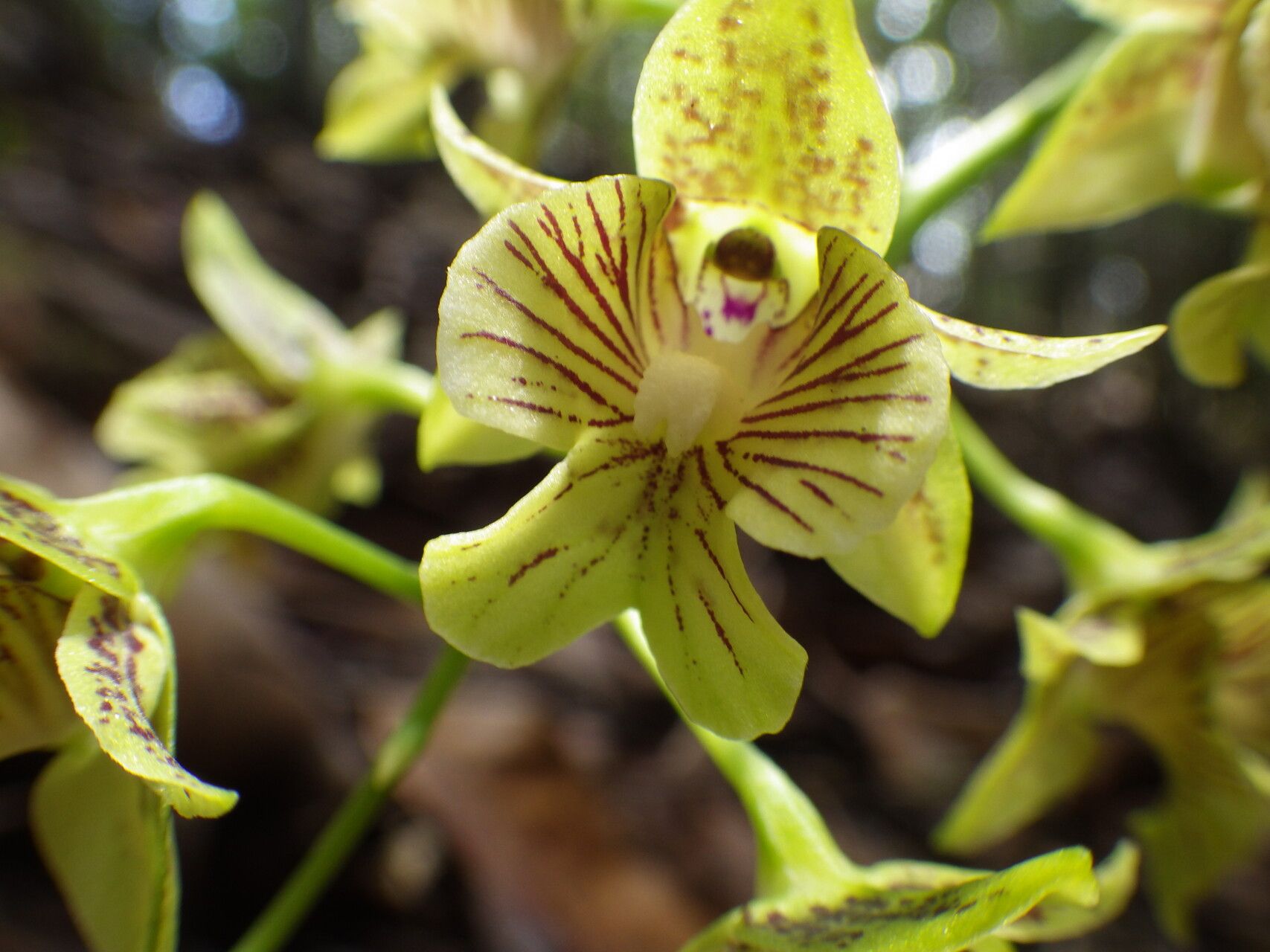
Unveiling the Secrets to Multiplying Your Dendrobium biloculare: A Propagation Guide
The Dendrobium biloculare, with its charming, antelope-like blooms, is a captivating orchid species that can add a touch of exotic elegance to any plant enthusiast’s collection. While caring for this beauty can be relatively straightforward, many shy away from the seemingly complex world of orchid propagation. Fear not, fellow plant lovers, for demystifying the art of multiplying your Dendrobium biloculare is easier than you think!
This guide dives into the two most effective methods of propagating this stunning orchid: division and keiki propagation.
1. Division: The Art of Separation
Imagine your Dendrobium biloculare as a densely populated city. Just like cities benefit from planned expansion, so does this orchid. Division is essentially the process of separating mature plants into smaller sections, each capable of independent growth.
- When to Divide: The ideal time for division is during spring, just as the new growth cycle begins. Look for a plant that has at least 6-8 pseudobulbs, signifying a healthy candidate for division.
- Tools of the Trade:
- A sterilized, sharp cutting tool (pruning shears or a knife)
- Fresh potting mix specifically designed for orchids
- Pots with adequate drainage
- The Process:
- Gently remove the orchid from its pot.
- Carefully untangle the roots, using sterilized shears to separate the rhizome (the horizontal stem connecting the pseudobulbs) into sections, ensuring each section has 3-4 healthy pseudobulbs and a healthy root system.
- Dust the cut ends with cinnamon or a fungicide to prevent infection.
- Pot each division in fresh orchid mix, ensuring the base of the pseudobulbs is level with the potting mix surface.
- Water sparingly until new growth emerges.
2. Keiki Propagation: Nurturing Baby Orchids
In the language of orchids, “keiki” translates to “baby,” and rightfully so! Keikis are essentially miniature plants that sprout from the nodes on the flower stem or pseudobulbs of a mature Dendrobium biloculare.
- Identifying Keikis: These little ones will eventually develop their own leaves, roots, and even flower!
- When to Remove: Wait until the keiki has developed at least 3-4 roots, each about 2-3 inches long, indicating its readiness for independence.
- Gentle Removal: Carefully detach the keiki from the mother plant, ensuring no damage occurs to either.
- Potting the Keiki: Plant the keiki in a small pot with a well-draining orchid potting mix. Provide support with a small stake if needed.
- Nurturing Growth: Place the newly potted keiki in a warm, humid environment with bright, indirect light. Water sparingly and observe its growth.
Patience: The Secret Ingredient
Propagating your Dendrobium biloculare, whether by division or keiki propagation, requires patience. It may take several weeks or even months for new growth to appear.
However, the reward of witnessing a new generation of these enchanting orchids bloom, thriving under your care, makes the journey truly fulfilling!
So, embrace the wonders of propagation, and watch as your passion for Dendrobium biloculare multiplies, one new plant at a time!