
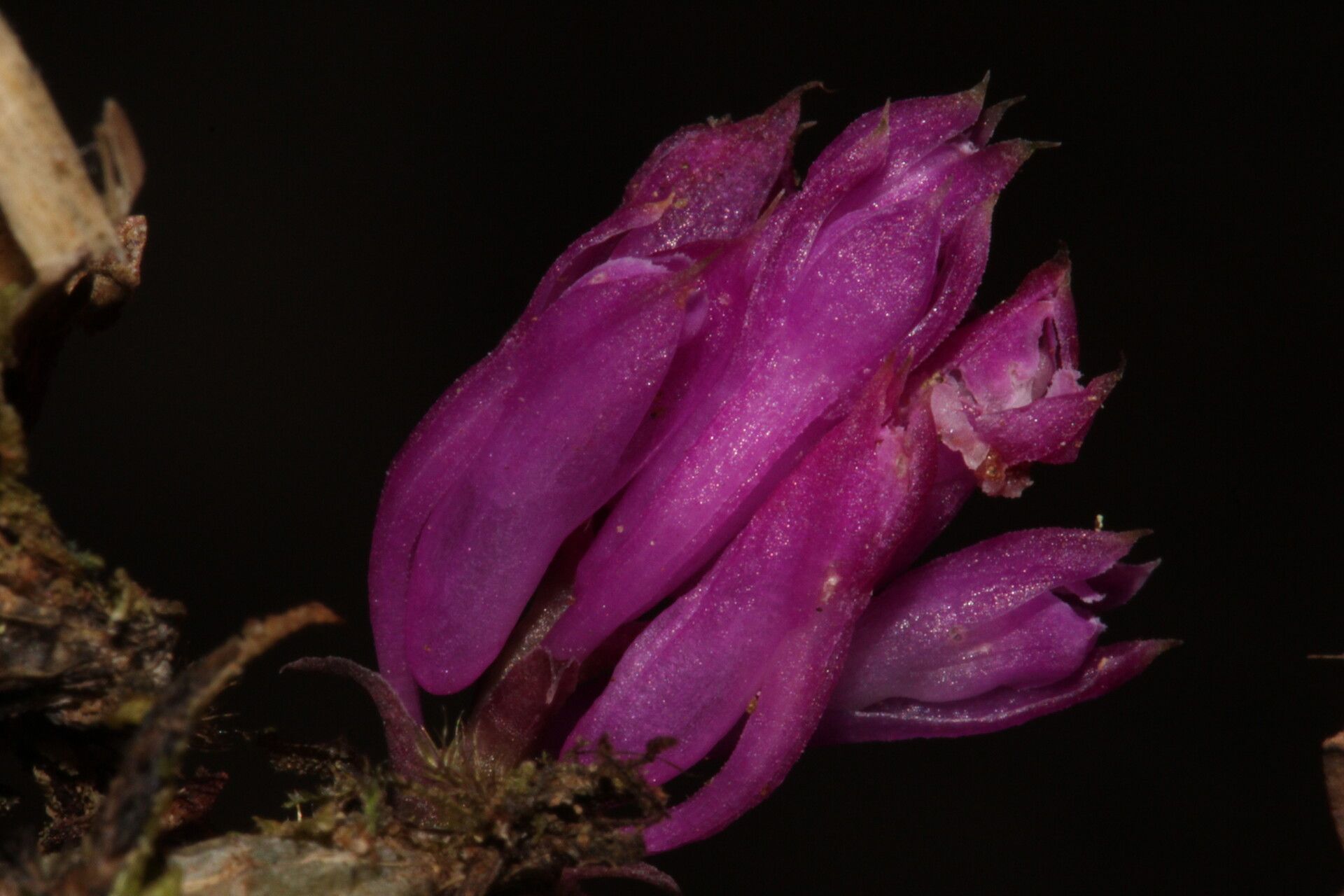
From One to Many: Mastering the Art of Propagating Dendrobium Centrosepalum
The Dendrobium centrosepalum, with its striking purple blooms and graceful, cascading stems, is a true gem among orchid enthusiasts. But what if you could multiply your enjoyment and share the beauty of this orchid with others? The secret lies in propagation, a process that allows you to create new plants from existing ones.
Understanding the Basics
Dendrobium centrosepalum can be propagated using several methods, each with its own advantages and nuances:
Division: This method involves carefully separating clumps of mature plants into individual divisions, each containing roots and at least one growth point. It’s a straightforward technique for experienced growers, but it requires a well-established plant with multiple growth points.
Keiki: These are miniature versions of the parent plant that grow on the stems or pseudobulbs. Keikis develop their own roots and can be carefully separated and potted once they have a few roots. They often appear as a result of stress, such as fluctuating temperatures or lack of nutrients.
- Stem Cuttings: This method involves taking cuttings from mature stems, ensuring each cutting has at least one node (where new growth emerges). The cut stems are then encouraged to root using various techniques like placing them in a humid environment or using rooting hormone.
Step-by-Step Guide to Stem Cutting Propagation
Stem cutting propagation offers a relatively straightforward method for multiplying your Dendrobium centrosepalum:
Prepare the Cuttings: Choose a healthy, mature stem and, using a sharp, sterilized knife or scissors, cut it into 3-4 inch sections. Each section should have at least one node.
Prepare the Medium: Fill a small pot with a well-draining medium suitable for orchids, such as a mix of bark, charcoal, and perlite.
Planting the Cuttings: Place the cut ends of the stems in the prepared medium. Ensure the node is partially covered with the medium.
Keep It Moist: Maintain a humid environment for the cuttings by covering the pot with a plastic dome or bag. Mist the cuttings regularly to maintain high humidity.
Provide Light and Temperature: Place the pot in a well-lit location, but avoid direct sunlight. Maintain a warm environment with temperatures around 70-75°F (21-24°C).
- Patience is Key: Root development can take several weeks to a few months, depending on the conditions and the plant’s vigor. Be patient, and watch for signs of new growth as a sign that roots are developing.
Tips for Success
- Sterilization: Always sterilize your tools before cutting any plant material to prevent infection.
- Timing: The best time for stem cuttings is during the active growth period, typically spring and summer.
- Humidity: Maintaining high humidity is crucial for successful rooting. Use a humidity dome, a plastic bag, or mist regularly.
- Patience: Propagation takes time. Don’t be discouraged if you don’t see immediate results.
Conclusion
Propagating Dendrobium centrosepalum is a rewarding experience for any orchid enthusiast. By mastering the art of propagation, you not only create new plants to share with others but also gain a deeper connection with the magic of this stunning orchid. So, roll up your sleeves, embrace the process, and enjoy the journey of growing your own beautiful Dendrobium centrosepalum.