
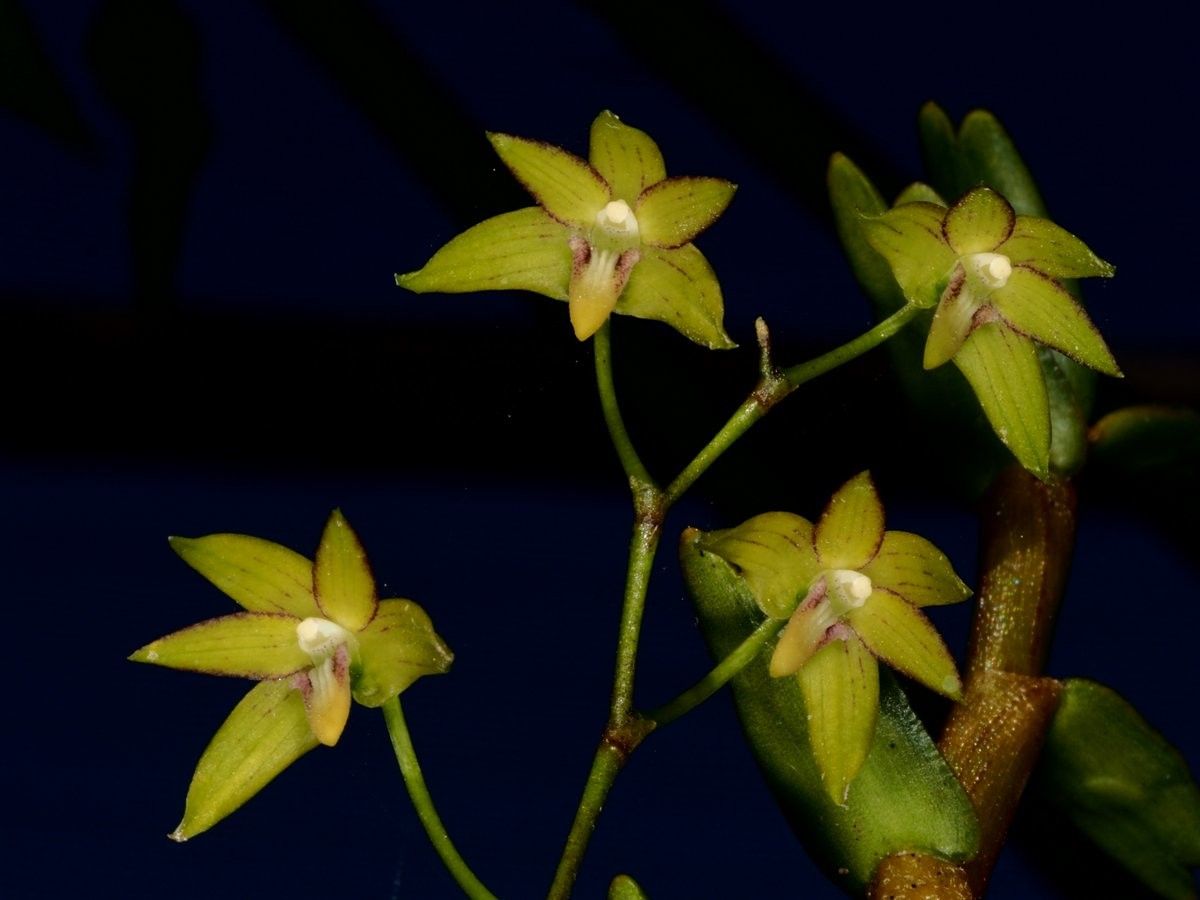
Unleashing the Charm of Dendrobium crassicaule: A Guide to Propagation
Dendrobium crassicaule, with its chubby pseudobulbs and vibrant, star-shaped blooms, is a delightful addition to any orchid collection. But what if you could multiply this beauty and share its joy with others? This is where propagation comes in – a rewarding process that allows you to create new, exciting plants from your existing ones.
Understanding Dendrobium crassicaule Reproduction
Dendrobium crassicaule, like many orchids, prefers to reproduce through vegetative propagation. This means using parts of the mature plant – like stems, leaves, or a portion of the pseudobulb – to create new plants. The two main methods of propagation for this species are:
- Division: This method involves separating the plant into multiple sections, each containing its own roots and pseudobulbs. It’s best done during the plant’s active growing season.
- Keiki: Keikis are miniature versions of the mother plant that grow on the stems or pseudobulbs. These can be carefully detached once they have developed their own roots and repotted independently.
Step-by-Step Guide to Propagation
Let’s break down the propagation process for Dendrobium crassicaule:
1. Choosing the Right Time: The best time to propagate your Dendrobium crassicaule is during its active growing phase, typically spring or summer. This is when the plant has the most energy to regenerate.
2. Preparation: Sterile tools are crucial to prevent contamination. Use a sharp knife or pair of scissors, disinfected with rubbing alcohol. Prepare a well-draining orchid mix to pot the new plants.
3. Division:
- Carefully remove the plant from its pot. Gently untangle the roots and look for healthy, established pseudobulbs with their own root system.
- Cut the plant carefully, ensuring each division has at least 3-4 pseudobulbs and a healthy root system.
- Pot each divided portion into a separate pot using the orchid mix. Water thoroughly.
4. Keiki Propagation:
- Observe your Dendrobium crassicaule. Look for keikis developing on the stems or pseudobulbs.
- Once the keikis have developed roots at least an inch long, carefully cut them from the mother plant using your sterilized tool.
- Place the keiki into a small pot with orchid mix, ensuring the roots are lightly covered. Water thoroughly.
5. Aftercare:
- Create a warm, humid environment for the new plants. This can be achieved with a propagator, zip-lock bags, or a warm, sunny location.
- Water regularly but avoid overwatering. The potting mix should be allowed to dry out slightly between waterings.
- Provide adequate light. Place the plants in a bright, indirect light location.
- Fertilize with a weak orchid fertilizer every 2-3 weeks.
Patience is Key:
Be patient! Propagation requires time and care. New growth may take a few weeks or months to emerge. Don’t be discouraged if you don’t see immediate results. Consistent care and the right conditions will ensure your Dendrobium crassicaule propagations thrive.
A Final Thought: Cultivating your own Dendrobium crassicaule plants from cuttings or keikis is a rewarding experience. It’s more than just multiplying plants; it’s a journey of watching new life unfold and sharing the joy of orchids with others. So, grab your tools, get ready for a little green thumb magic, and enjoy the delightful process of propagation!