
Propagating Dendrobium danipense: A Gardener’s Guide
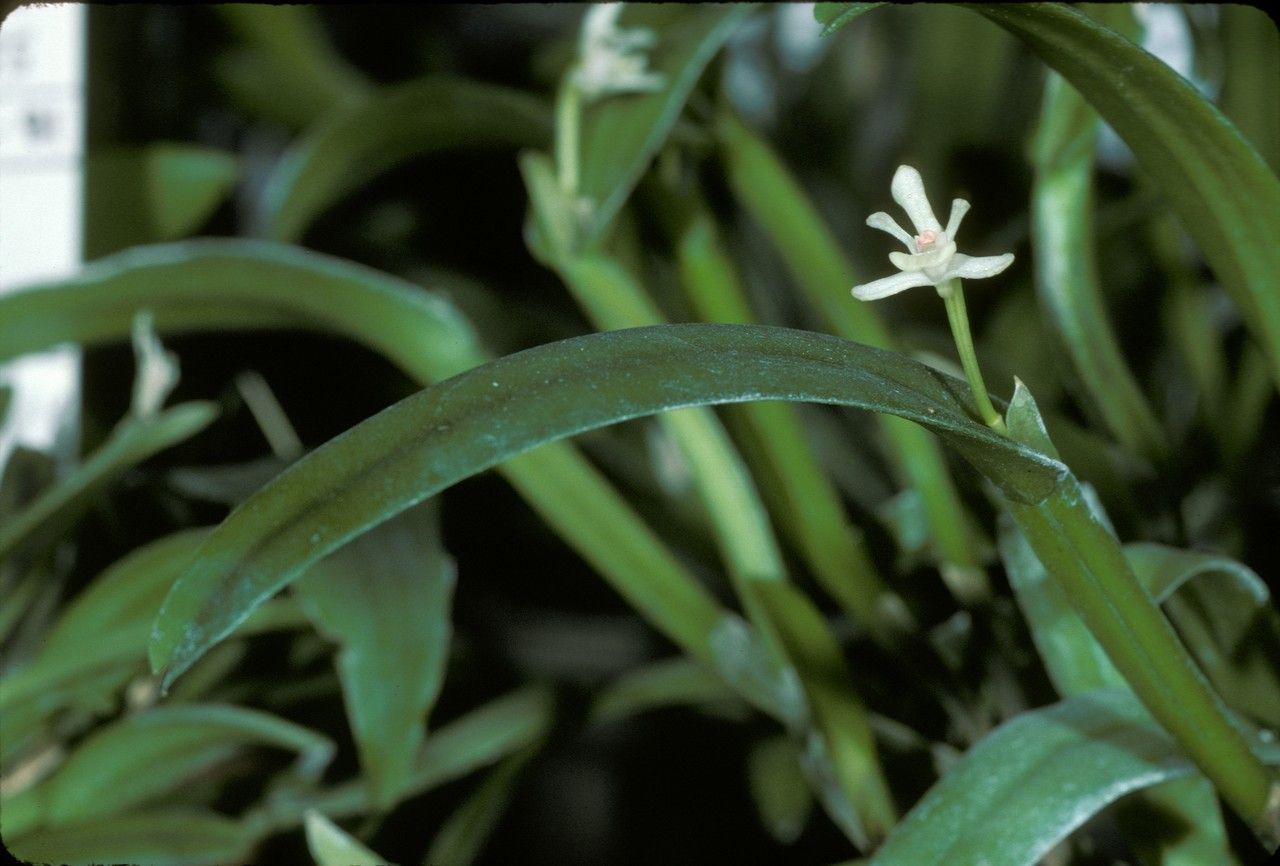
Dendrobium danipense, sometimes called the “Danipense Dendrobium,” is a captivating orchid species prized for its elegant, often pendulous flower spikes bearing numerous blooms. These flowers, in shades of white to pale pink or lavender, display a delicate beauty that has cemented its popularity among orchid enthusiasts. Its relatively compact growth habit, compared to some other Dendrobium species, also makes it a desirable addition to home collections. However, propagating Dendrobium danipense presents unique challenges, demanding patience and attention to detail.
Seed Germination:
Currently, there are no known reliable methods for seed germination propagation of Dendrobium danipense. Orchid seeds are famously minute and lack endosperm (the food source for the embryo), requiring a symbiotic relationship with specific mycorrhizal fungi for germination. Establishing this symbiotic relationship in a controlled environment is extraordinarily difficult, even for experienced orchid propagators. Therefore, seed germination is not a practical approach for most home gardeners.
Cuttings:
Cuttings are not a viable method for propagating Dendrobium danipense. Unlike some other orchid genera that can be propagated from stem cuttings, Dendrobium danipense typically does not produce adventitious roots or shoots from stem sections. Attempts at this method usually result in the cutting’s decay.
Division:
Division is the most common and reliable method for propagating Dendrobium danipense. It involves separating a mature, healthy plant into multiple smaller divisions, each containing its own roots and several pseudobulbs (the thickened stems that store water).
- Challenges: Dividing a Dendrobium danipense requires careful handling to avoid damaging the delicate roots and pseudobulbs. Over-division can weaken the parent plant and the resulting divisions, reducing their chances of survival. Choosing the right time (usually after flowering) is crucial.
- Practical Tips: Use sharp, sterilized tools to minimize damage. Ensure each division has a healthy root system and several pseudobulbs. Pot the divisions in a well-draining orchid potting mix and maintain consistent moisture levels without overwatering.
- Rewards: Division provides a relatively simple method for increasing the number of plants, preserving the genetic characteristics of the parent plant.
Tissue Culture:
Tissue culture offers a highly efficient method for mass propagation of Dendrobium danipense. This laboratory-based technique involves growing plantlets from small pieces of tissue under sterile conditions.
- Challenges: Tissue culture requires specialized equipment, a sterile work environment, and expertise in plant tissue culture techniques. It can also be expensive to set up and maintain. Contamination is a major risk.
- Practical Tips: This method is best left to professionals or labs with specialized orchid propagation experience.
- Rewards: Tissue culture allows for the rapid production of large numbers of genetically identical plants, making it ideal for commercial propagation and conservation efforts. This method offers the potential for disease-free plants.
Conclusion:
Propagating Dendrobium danipense presents distinct challenges across different methods. While seed germination and cuttings prove unreliable, division offers a manageable albeit somewhat delicate approach for the home gardener. Tissue culture holds immense potential for large-scale production but remains largely inaccessible to hobbyists due to its technical complexity. However, the rewards – the satisfaction of nurturing these relatively uncommon orchids from a division into thriving plants – are immense. The journey itself, filled with careful tending and learning, adds to the unique pleasure of successfully cultivating this beautiful species. Embrace the challenge, research your chosen method carefully, and enjoy the rewarding experience of bringing more Dendrobium danipense into your orchid collection.