
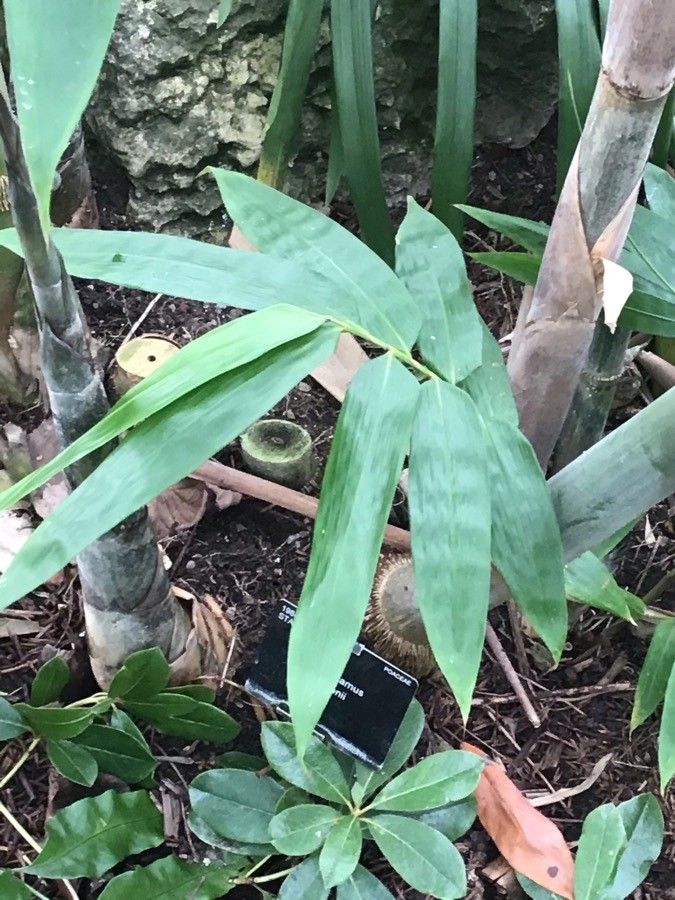
Bamboo Boom: How to Propagate Dendrocalamus hamiltonii
Dendrocalamus hamiltonii, or “giant bamboo” as it’s often called, is a majestic sight with its towering stalks reaching heights of over 100 feet! But what if you want to bring a piece of this botanical wonder into your own garden? The good news is, propagating “giant bamboo” isn’t as daunting as it might sound.
This blog post is your guide to successfully growing more of this impressive plant. We’ll dive into the two most effective methods of propagation:
1. Division
This method is often the most popular way to propagate Dendrocalamus hamiltonii and involves separating the plant into smaller clumps. Here’s how it works:
- Choosing the Right Time: The best time to divide your “giant bamboo” is during the dormant season, typically in late autumn or winter. This is when the plant is focusing energy on its roots, making it less likely to suffer from the disturbance of division.
- Preparing for Division: With a sharp shovel, carefully dig around the plant, being sure to create a wide enough trench to access the rhizomes. You will need to find a clump with several culms (stalks) growing together. Aim for sections with at least five connected shoots.
- The Division: Once the rhizome is exposed, use a sharp knife or pruning shears to cut the rhizome into sections, ensuring each section has at least one culm (stalk) attached. Leaving a few inches of rhizome attached to each culm will encourage strong root growth.
- Planting: Carefully plant your divided clumps in fresh, well-drained soil. The planting depth should be similar to the original depth of the plant before division. Provide ample water to help establish new roots.
2. Cuttings
While division is effective, another method for propagating Dendrocalamus hamiltonii is using cuttings. This method is slightly more challenging but can be successful with a little care and patience.
- Choosing the Right Cuttings: Select healthy, mature culms that are free of disease or pests. The ideal time for taking cuttings is during the spring or early summer when the plant is actively growing.
- Preparing the Cuttings: Cut the culms into sections of around 18-24 inches, leaving at least two nodes (bumps) on each section. For best results, aim to take cuttings from culms that are approximately 1-2 years old.
- Rooting the Cuttings: Prior to planting, dip the base of each cutting in rooting hormone. Plant the cuttings in a well-draining pot filled with a potting mix suitable for bamboo, ensuring that at least one node is submerged in the soil.
- Providing Support: Create a humid environment for the cuttings by covering the pot with a clear plastic bag or humidity dome. Place the cuttings in a warm location with indirect sunlight.
- Patience is Key: Rooting bamboo cuttings can take several weeks or even months. Maintain the moisture levels and humidity, and be patient.
Important Considerations:
- Space: Dendrocalamus hamiltonii is a vigorous grower and requires ample space. Consider the potential size of your bamboo before you begin propagating.
- Container Size: If you are propagating in containers, choose a size that can accommodate the plant’s growth.
- Temperature: “Giant bamboo” thrives in warm climates, Consider your climate zone and the plant’s cold hardiness before planting.
Whether you choose division or cuttings, propagating Dendrocalamus hamiltonii requires a bit of effort, but the reward is a breathtaking addition to your garden. The towering beauty and unique texture of this bamboo species are guaranteed to turn heads. So, delve into the world of bamboo propagation and enjoy the satisfaction of growing your own “giant bamboo” – a truly remarkable plant that will bring an air of wonder to your landscape!