
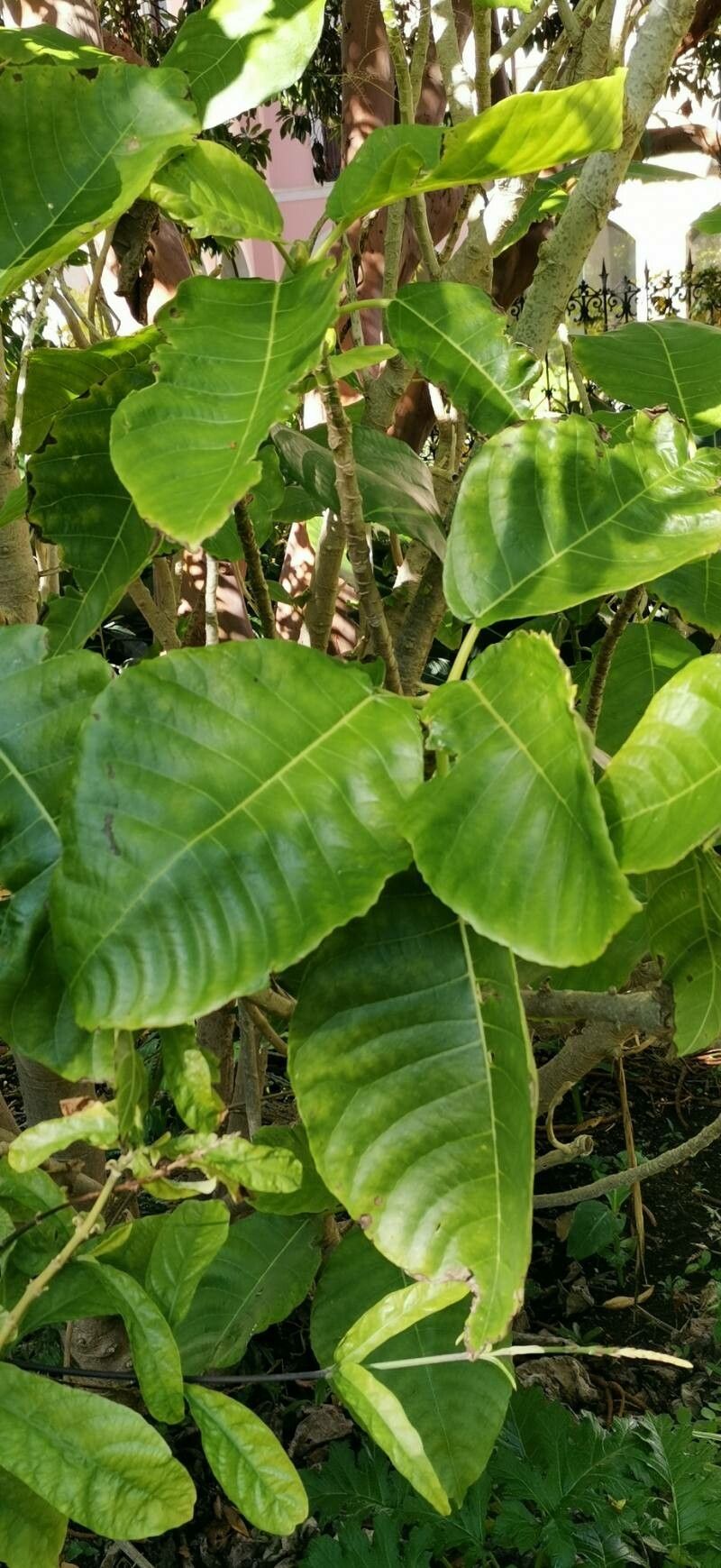
From Stinging Jewel to Garden Gem: Exploring the Secrets of Propagating Dendrocnide Meyeniana
Dendrocnide meyeniana, also known as the “stinging nettle tree” or the “gympie-gympie,” is a fascinating and, let’s be honest, a bit intimidating plant. Infamous for its excruciatingly painful sting, this member of the nettle family is a captivating subject for plant enthusiasts and those seeking botanical challenges.
While many might shy away from its reputation, propagating Dendrocnide meyeniana offers a rewarding experience for the brave gardener. It’s a journey that demands meticulous attention to safety and a deep understanding of the plant’s unique requirements.
Safety First: Respecting the Sting
Before delving into propagation techniques, it’s crucial to understand the reason behind this plant’s notoriety. Dendrocnide meyeniana is equipped with venomous hairs called trichomes that release a potent neurotoxin upon contact. The sting can cause intense pain that can last for weeks or even months, with some reports suggesting it can even be fatal.
The Need for Protective Gear:
When handling Dendrocnide meyeniana, absolute safety is paramount. This means utilizing heavy-duty protective gear including:
- Thick gloves made of leather or specialized materials: Gloves should be puncture-resistant and cover the entire hand.
- Full-body protective clothing: Long sleeves, long pants, and a face mask are essential to minimize the risk of contact with the hairs.
- Eye protection: Goggles offer protection from any stray hairs that might come into contact with the eyes.
- Avoid windy conditions: Wind can spread trichomes, making propagation riskier.
Propagation Methods for the Intrepid Gardener
With safety considerations in mind, let’s explore the two main methods for propagating Dendrocnide meyeniana:
1. Cuttings:
- Timing: The best time for taking cuttings is in the spring or summer when the plant is actively growing.
- Technique: Select a young, healthy stem with at least three nodes (where leaves grow). Cut just below a node with a sharp, sterilized knife or shears.
- Preparation: Remove the leaves below the top node and dip the cut end in rooting hormone.
- Planting: Insert the cutting into a well-drained, sterile potting mix. Maintain a moist (but not soggy) environment and provide bright but indirect light.
- Rooted Cuttings: It typically takes several weeks for cuttings to root. Once roots develop, you can carefully transplant them into individual pots or a protected outdoor area.
2. Seed Propagation:
- Finding Seeds: Dendrocnide meyeniana produces small, nut-like seeds. Sourcing these seeds from reputable sources can be challenging, but if you’re lucky enough to obtain them, propagation is possible.
- Preparation: Soak the seeds in warm water overnight before sowing them.
- Planting: Use a sterile seed-starting mix and plant the seeds about ¼ inch deep. Maintain a temperature of around 75°F (24°C).
- Germination: The seeds typically take several weeks to germinate.
- Careful Nursing: Once seedlings emerge, provide them with consistent moisture and bright but indirect light. Transplant them to larger pots as they grow.
Important Notes:
- Sterilization: When working with Dendrocnide meyeniana, it’s imperative to sterilize all tools to prevent the spread of toxins.
- Caution in Handling: Even after the plant is established, it’s important to handle it with care. Wear gloves and protective clothing when pruning or performing other tasks.
- Environmental Considerations: Before planting Dendrocnide meyeniana, research its growing requirements and ensure your local environment is suitable.
The Rewards of Propagation
Although Dendrocnide meyeniana presents a unique challenge, the reward of successfully propagating this fascinating plant is substantial. It offers a sense of accomplishment and the opportunity to share this remarkable species with other plant enthusiasts, while always emphasizing the importance of safety.
Dendrocnide meyeniana is a reminder that nature holds wonders both beautiful and daunting. With respect, knowledge, and the right approach, even this often-feared plant can become a treasured addition to a daring gardener’s repertoire.