
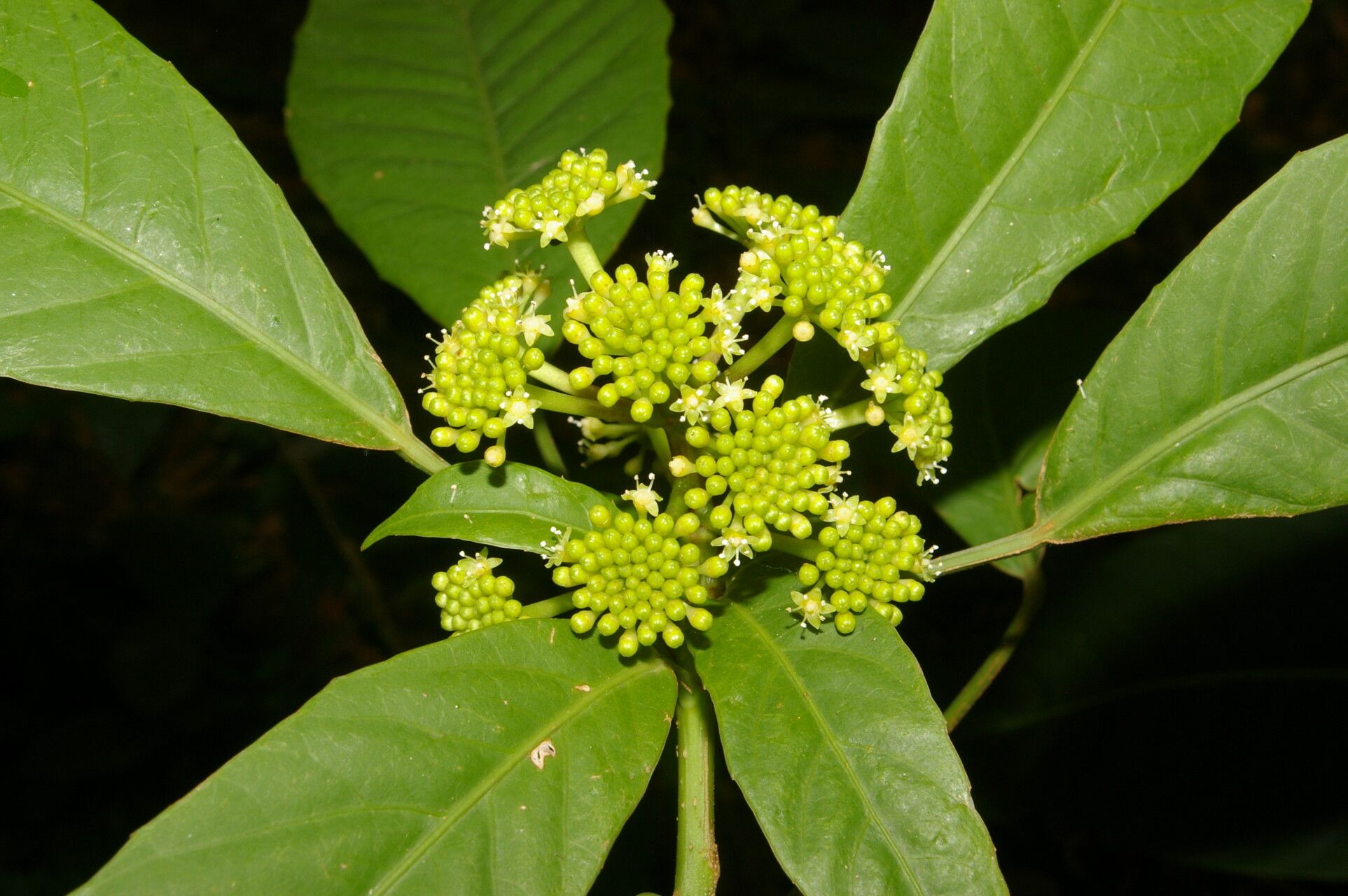
Propagating Dendropanax stenodontus: A Gardener’s Guide
Dendropanax stenodontus, also known as the “Narrow-toothed Dendropanax” or sometimes simply “Dendropanax,” is a striking evergreen shrub or small tree prized for its glossy, dark green leaves and attractive, architectural form. Its unique appearance makes it a sought-after addition to both tropical and subtropical gardens, leading to growing interest in its propagation. However, propagating this species presents some challenges, requiring patience and attention to detail.
Seed Germination:
Currently, there are no known reliable methods for seed germination propagation of Dendropanax stenodontus. While the plant produces seeds, their viability and germination rate are reportedly extremely low, even under optimal conditions. Further research is needed to determine if specific pre-treatments or environmental factors could improve germination success.
Cuttings:
Cuttings offer a more reliable method for propagating Dendropanax stenodontus. However, success isn’t guaranteed.
Challenges: The main challenge lies in rooting the cuttings. Dendropanax stenodontus cuttings can be slow to root, and a high percentage may fail to develop roots. This can be attributed to the plant’s physiology and its potential susceptibility to fungal diseases during the rooting process.
Practical Tips: Semi-hardwood cuttings, taken in late summer or early autumn, offer the best chance of success. Sections of approximately 10-15 cm with several leaves should be taken, with the lower leaves removed to prevent rotting. Applying a rooting hormone can increase the likelihood of root development. Plant the cuttings in a well-draining, sterile propagation mix (e.g., perlite and peat moss) and maintain high humidity using a humidity dome or plastic bag. Consistent warmth and indirect light are crucial for successful rooting.
Rewards: Successfully rooting cuttings provides a reliable way to produce genetically identical plants, preserving desirable traits. It’s also a relatively straightforward method for smaller-scale propagation compared to other techniques.
Division:
Division is generally not a practical method for propagating Dendropanax stenodontus. The plant’s root system is not easily divided and separating it can significantly damage the plant, reducing the chances of survival for both the parent plant and resulting divisions.
Tissue Culture:
Tissue culture presents a potentially efficient method for large-scale propagation of Dendropanax stenodontus.
Challenges: Establishment of a reliable tissue culture protocol for this species requires specialized knowledge and equipment. Finding the optimal media composition, growth regulators, and sterilization techniques are crucial for successful propagation. Contamination also presents a significant threat in tissue culture.
Practical Tips: Success depends on experienced personnel working in a sterile laboratory environment. Sterilization of explants (plant material) is crucial, as are careful monitoring and adjustments to the growth media during the propagation process.
Rewards: This method offers potential for rapid and large-scale propagation, enabling the production of many uniform plants from a single source.
Conclusion:
Propagating Dendropanax stenodontus presents unique challenges across all propagation methods. Seed propagation remains largely unreliable. Cuttings offer a reasonable, albeit relatively slow and somewhat unpredictable method for the home gardener. Tissue culture is potentially the most efficient method but requires specialized knowledge and equipment. Despite the difficulties, however, the satisfaction of successfully nurturing a cutting through to a thriving plant, or mastering the intricacies of tissue culture, adds a unique layer of fulfillment to cultivating this beautiful species. Persistence, a keen eye for detail, and a patient hand are crucial for any aspiring propagator of Dendropanax stenodontus. Don’t be discouraged by initial setbacks; experimentation and careful observation will ultimately lead to success.