
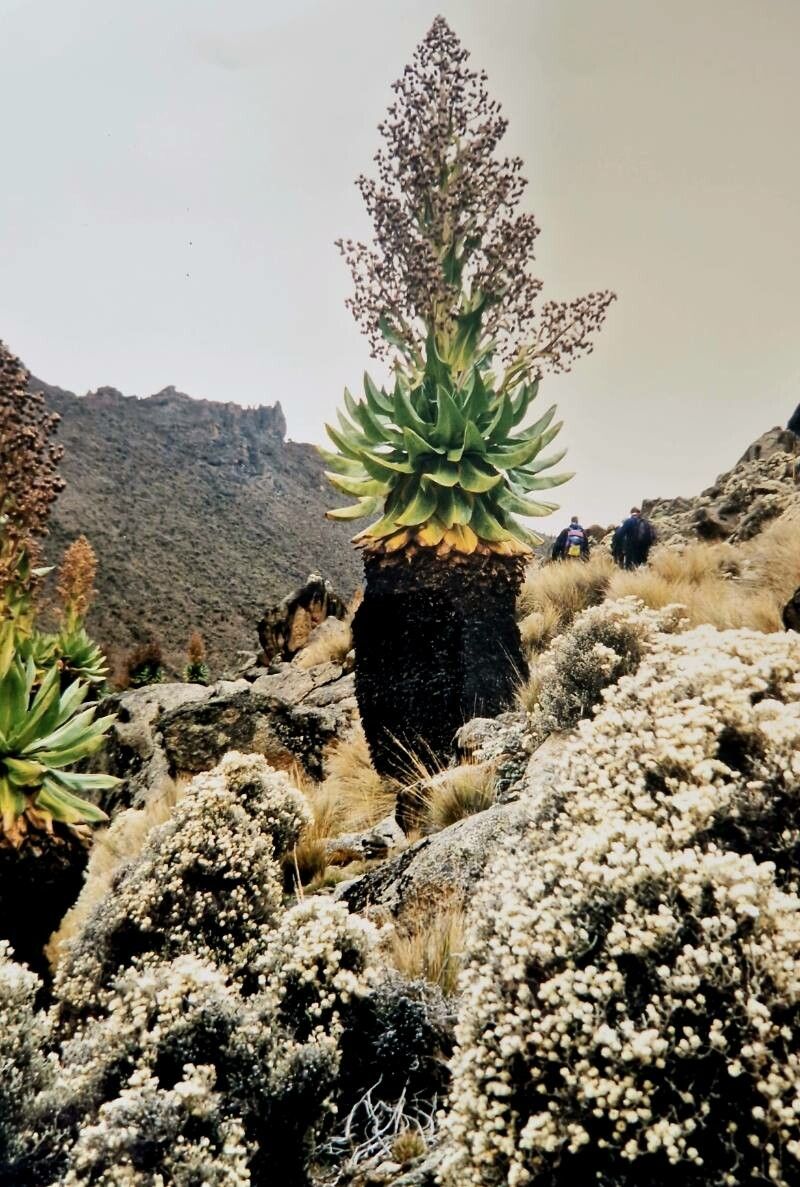
Conquering Kilimanjaro: Propagating the Majestic Dendrosenecio Kilimanjari
The Dendrosenecio kilimanjari, more affectionately known as the giant groundsel or Kilimanjaro cabbage, is a sight to behold. Towering above the plains of its namesake mountain, this impressive plant, with its succulent rosettes of silvery leaves and towering flower spikes, captivates the imagination. While a trek up Mount Kilimanjaro might be the most authentic way to experience this botanical wonder, you can bring a touch of this alpine magic home by propagating your own Dendrosenecio kilimanjari.
While not the easiest plant to propagate, success is definitely achievable with the right knowledge and a touch of patience.
Understanding the Giant:
Dendrosenecio kilimanjari falls under the Senecio genus, known for its adaptability and interesting propagation methods. Unlike many plants that readily reproduce from cuttings, this species primarily propagates through seeds.
The Seed Route – A Test of Time and Patience:
- Source your seeds: Sourcing seeds can be the trickiest part. Reputable online retailers specializing in rare or unusual plants sometimes offer Dendrosenecio kilimanjari seeds.
- Prepare for sowing: Use a well-draining seed starting mix that mimics the rocky, volcanic soil of its native habitat. A mixture of perlite, vermiculite, and peat moss works well.
- Sow with care: Lightly press the seeds onto the surface of the dampened mix without burying them. These seeds need light to germinate.
- Creating the perfect environment: Cover the container with a clear plastic dome or wrap to maintain humidity and place it in a bright location, out of direct sunlight. Temperatures around 65-75°F (18-24°C) are ideal.
- Germination: A Waiting Game: This is where patience comes in. Germination can take anywhere from a few weeks to several months. Keep the soil consistently moist but not waterlogged.
- Once sprouted: After the seedlings emerge and develop their first set of true leaves, you can gradually acclimate them to less humidity and eventually transplant them into individual pots.
Additional Tips for Success:
- Freshness is key: The older the seeds, the less viable they become. Try to get your hands on the freshest seeds possible.
- Mimicking the Mountain: Using a heat mat to maintain a consistently warm temperature can significantly boost germination rates.
- Bottom watering: This method prevents disturbing the delicate seedlings and helps ensure even moisture.
Beyond Propagation:
Raising Dendrosenecio kilimanjari from seed is incredibly rewarding. Remember that these plants are adapted to high altitudes with cool nights and strong sunlight. Provide them with plenty of bright, indirect light indoors and ensure excellent drainage to mimic their natural habitat.
While propagating Dendrosenecio kilimanjari requires some dedication, seeing these mini-mountain dwellers sprout and thrive makes the journey worthwhile. You’ll have a unique conversation starter and a living testament to the captivating beauty of nature’s high-altitude wonders. So why not embark on this horticultural adventure? You might just find yourself summiting new heights of plant parenting satisfaction!