
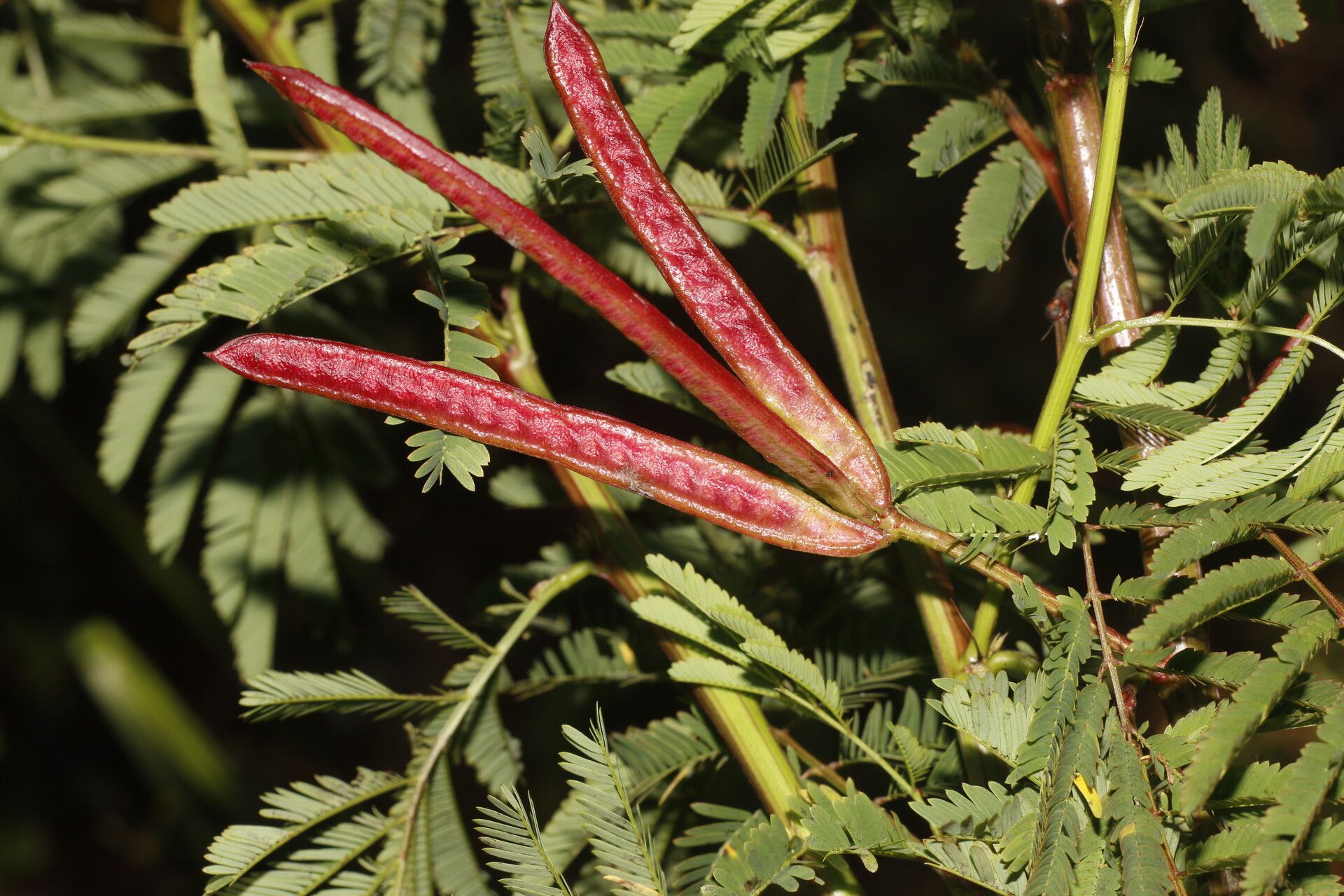
Spreading the Love: Propagating the Desmanthus Leptophyllus “Texas Wild Bean”
The Desmanthus leptophyllus, also known as the “Texas Wild Bean,” is a fascinating and hardy legume native to the southwestern United States. These drought-tolerant beauties are a favorite for their delicate, feathery foliage and fluffy, fragrant blooms. But did you know that propagating this beautiful plant is surprisingly easy? Whether you’re looking to expand your own garden or share the joy of this unique plant with others, let’s delve into the world of Desmanthus leptophyllus propagation.
Two Proven Path to New Plants
Like many legumes, the Desmanthus leptophyllus is a breeze to propagate. You have two primary methods at your disposal:
1. Seed Propagation:
This method is the most straightforward and often the most cost-effective. Here’s how it works:
- Harvest Seeds: Gather mature seed pods from your existing plant. The pods will turn brown and dry, signaling readiness for harvest.
- Prepare the Seeds: Remove the seeds from the pods and soak them in warm water for 24-48 hours. This helps soften the hard seed coat and promotes germination.
- Planting: Sow the seeds in a well-draining seed-starting mix. Lightly cover the seeds with soil.
- Environment: Provide a warm and sunny location for your seedlings. Maintain the soil moisture but avoid overwatering.
- Transplant: Once the seedlings have a few sets of true leaves, you can transplant them to larger pots or directly to your garden.
2. Cuttings:
This method is a bit more involved but equally effective:
- Choose Healthy Cuttings: Select strong, non-flowering stems from your plant. Ensure the cuttings are at least 4-6 inches long.
- Prepare the Cuttings: Make clean, sharp cuts at a 45-degree angle just below a leaf node. Remove any leaves below the soil line.
- Hormone Treatment: Dip the cut end of each cutting in rooting hormone powder or gel. This helps stimulate root growth.
- Planting: Plant the cuttings in a pot filled with a rooting mix. Keep the cuttings moist and in a shaded location.
- Root Development: You should start to see root development within a few weeks. Once the cuttings have established a strong root system, you can transplant them to their permanent location.
Tips for Success:
- Timing Matters: The best time for Desmanthus leptophyllus propagation is in the spring or early summer when the plant is actively growing.
- Soil Choice: Ensure you use well-draining soil for your seedlings and cuttings. These plants are prone to root rot if the soil is too compacted or overly wet.
- Sunlight: Provide adequate sunlight for your new plants. They need at least 6 hours of sunlight per day for optimal growth.
- Watering: Water consistently but avoid overwatering. Allow the top inch of soil to dry out between waterings.
Sharing the Beauty:
Propagating the Desmanthus leptophyllus not only gives you more of these stunning plants for your garden but also allows you to share the joy with friends and family. Imagine the satisfaction of starting a new plant from a simple seed or cutting!
Embrace the Adventure:
Propagation is an exciting journey, even for beginner gardeners. With the right tools, a little patience, and a touch of love, you can transform a single Desmanthus leptophyllus plant into a whole garden full of these unique and beautiful legumes. So, embrace the adventure and watch as your new plants flourish under your care.