
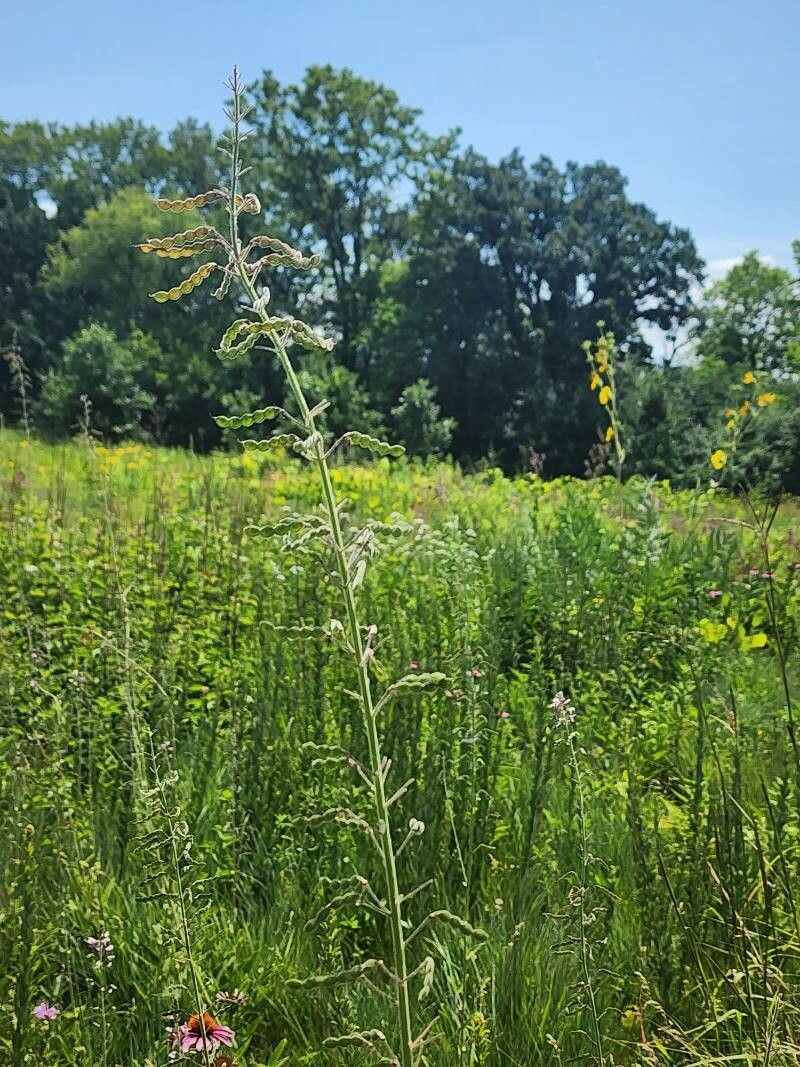
Unlocking the Secrets of Illinois Tick Trefoil: A Guide to Propagation
Illinois tick trefoil, or Desmodium illinoense for the botanically inclined, might not be a household name like roses or sunflowers. Still, this North American native wildflower deserves a place in more gardens thanks to its beautiful blooms, hardiness, and benefits to local pollinators. Intrigued? Let’s explore how to successfully propagate this charming plant.
Understanding Illinois Tick Trefoil
Before we delve into propagation, it’s helpful to know a bit about this fascinating plant. Illinois tick trefoil is a perennial legume, meaning it comes back year after year and belongs to the same family as beans and peas. It features distinct three-part leaves and produces stunning spikes of small, pink to purple flowers throughout the summer. As a bonus, these blooms attract a variety of native bees and butterflies to your garden, adding a touch of life and vibrancy.
Propagation Methods: Seeds vs. Cuttings
Propagating Illinois tick trefoil can be accomplished through two primary methods:
1. Seed Propagation:
- Seed Collection: The key to successful propagation from seed lies in obtaining viable seeds. Look for mature seed pods on the plant in late summer or early fall. The pods should be brown and dry before collecting.
- Scarification: The seeds of Illinois tick trefoil have a hard outer coating that requires scarification to encourage germination. This can be done by gently rubbing the seeds between two pieces of sandpaper or by nicking them with a sharp knife.
- Stratification (Cold Treatment): To mimic natural winter conditions and break dormancy, cold stratify the seeds. Place the scarified seeds in a moist paper towel inside a sealed plastic bag and store them in the refrigerator for 6-8 weeks.
- Sowing: In spring, after the last frost, sow the stratified seeds directly outdoors or start them indoors 4-6 weeks before the last expected frost. Plant the seeds about ¼ inch deep in well-draining soil. Keep the soil consistently moist but not waterlogged.
2. Propagation by Cuttings:
- Timing is Key: Take cuttings in late spring or early summer when the plant is actively growing.
- Select Healthy Stems: Choose healthy, non-flowering stems that are about 4-6 inches long.
- Prepare the Cuttings: Remove the leaves from the bottom inch or two of the stem. You can dip the cut end in rooting hormone powder (though not strictly necessary) to encourage root development.
- Planting and Care: Plant the cuttings in a well-draining potting mix. Keep the medium consistently moist and provide indirect sunlight. Rooting should occur within a few weeks.
Tips for Success:
- Well-Drained Soil: Illinois tick trefoil thrives in well-drained soil. Amend heavy clay soils with compost or sand to improve drainage.
- Sunlight Requirements: Choose a location that receives full sun to partial shade.
- Watering: Water regularly, especially during dry periods, but avoid overwatering which can lead to root rot.
Bringing Biodiversity to Your Backyard
Propagating Illinois tick trefoil is a rewarding experience that allows you to contribute to the well-being of our ecosystem. By adding this beautiful and beneficial wildflower to your garden, you’ll attract pollinators, support biodiversity, and enjoy its charming blooms year after year.