
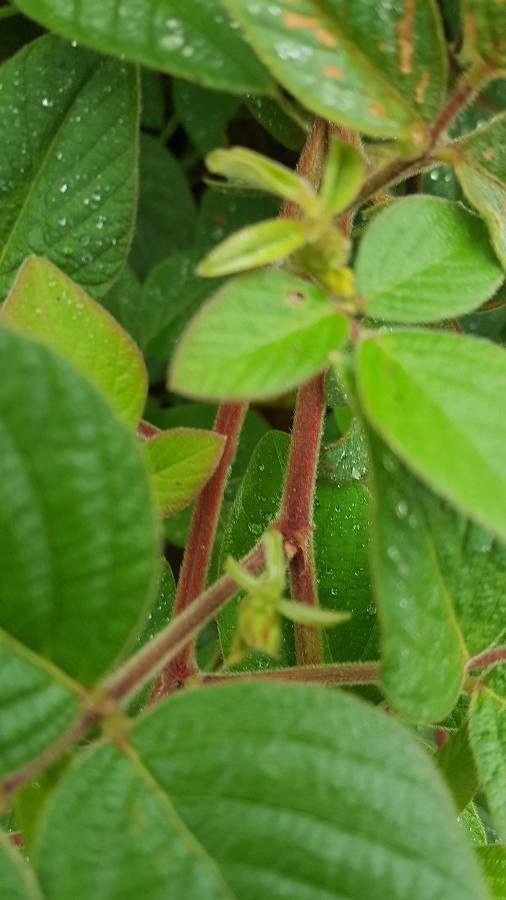
From Seed to Success: Propagating Desmodium intortum for Thriving Pastures
Desmodium intortum, also known as “Greenleaf Desmodium” or “Hamilcoa,” is a legume with a knack for transforming barren pastures into lush, productive grazing grounds. But how can you get your hands on this valuable forage plant? The answer lies in the art of propagation.
This blog post will guide you through the different methods of propagating Desmodium intortum, equipping you with the knowledge to cultivate this wonder plant and reap its benefits.
Seeds: The Foundation of a Thriving Pasture
Just like any other plant, Desmodium intortum can be propagated from seeds. This method is particularly effective for establishing large-scale pastures, as it allows for a rapid increase in plant density.
Here’s a step-by-step guide to seed propagation:
- Seed Source: Obtain quality Desmodium intortum seeds from a reputable supplier. Look for seeds that are viable and free of pests and diseases.
- Soil Preparation: Carefully prepare your planting area by tilling the soil to a depth of 2-3 inches. This will break up any compacted soil and create a suitable environment for root development.
- Sowing Seeds: Broadcast seeds evenly over the prepared soil. A rate of 1-2 pounds per acre is generally recommended. Incorporate the seeds into the soil by lightly harrowing or dragging a heavy object over the surface.
- Germination: Desmodium intortum seeds require warm temperatures (70-80°F) for optimal germination. Maintain adequate moisture in the soil and ensure proper drainage to prevent waterlogging, which can hinder germination.
- Establishment: Once the seedlings emerge, provide regular weeding and fertilization to promote healthy growth. A healthy population of nitrogen-fixing bacteria will develop in the soil around the roots of Desmodium intortum, further enriching the land and enhancing pasture quality.
Vegetative Propagation: A Faster Route to Results
For a quicker route to a thriving pasture, vegetative propagation offers advantages. This method uses existing plant material to create new, genetically identical plants.
Here are two common techniques for vegetative propagation of Desmodium intortortum:
- Cuttings: This method involves taking stem cuttings from healthy, mature plants. Cuttings should be around 6-8 inches long and include a few nodes. Remove any leaves near the base and dip the cut end(s) in rooting hormone. Plant the cuttings in a well-draining medium and ensure adequate moisture for root development.
- Division: If you have an established Desmodium intortum plant, you can simply divide the plant into smaller clumps containing roots and stems. These clumps can then be replanted directly into the prepared soil.
Tips for Success
Regardless of the propagation method you choose, here are a few extra tips to ensure success:
- Timing: The ideal time to propagate Desmodium intortum is during the warm season, ensuring optimal germination and growth.
- Sunlight: This plant thrives in full sun, so choose a sunny spot for planting.
- Water Management: Adequate moisture is crucial for proper establishment but avoid overwatering, as it can lead to root rot.
- Nutrient Availability: Desmodium intortortum benefits from the fertilization provided by the nitrogen-fixing bacteria that develop in its root system. However, supplemental fertilizer applications may also be necessary to ensure adequate nutrient availability for healthy growth.
Conclusion
Propagating Desmodium intortum is a rewarding endeavor that can transform your pasture into a vibrant ecosystem. By following the methods outlined above, you can ensure a bountiful harvest of this valuable legume, providing the necessary nutritional resources for livestock while enriching your soil. So, roll up your sleeves, embrace the art of propagation, and enjoy the beauty and benefits of a flourishing Desmodium intortum pasture.