
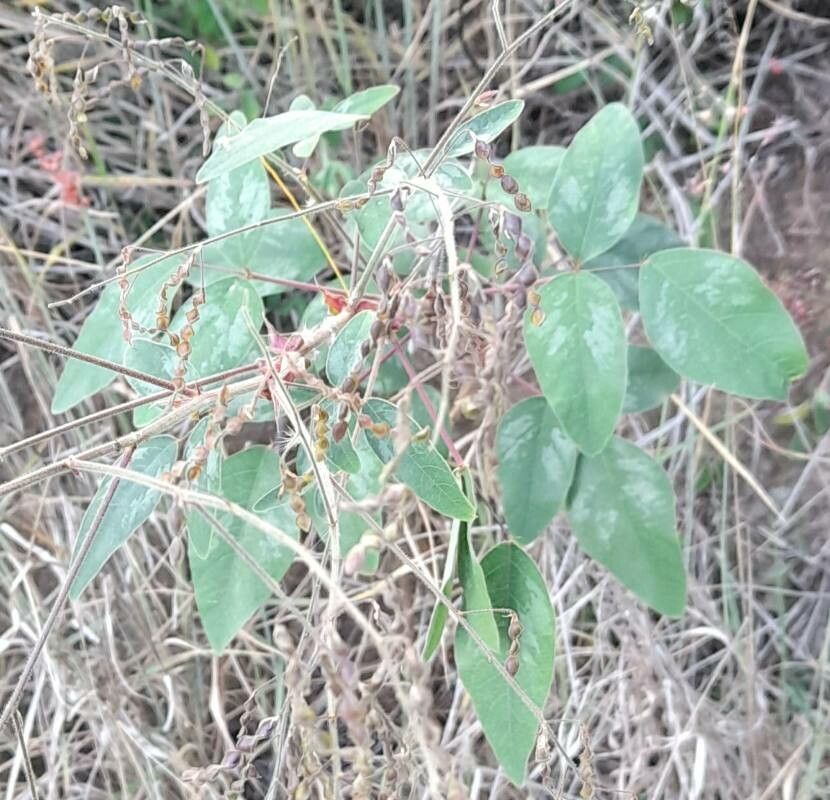
Twisting Your Green Thumb Around Desmodium Tortuosum: A Propagation Guide
Desmodium tortuosum, also known as Florida beggarweed or tick trefoil, might not roll off the tongue as easily as petunia or lavender, but this fascinating plant deserves a spot in your garden (or at least, your mental encyclopedia of cool plants). Native to Central and South America, this leggy legume boasts unique twisted seed pods and delicate pink flowers. But the real magic begins when you learn how easy Desmodium tortuosum is to propagate, allowing you to multiply your green bounty without breaking the bank.
This guide will take you through two successful methods:
1. Seed Propagation: Embracing the Twist
Those curious, twisted seedpods we mentioned? They are your ticket to a whole new generation of Desmodium tortuosum! Here’s how:
- Harvesting: Wait until the pods turn brown and dry on the plant. Gently pluck them and store them in a paper bag in a cool, dry location.
- Scarification: Desmodium seeds have a hard outer shell. Gently rub them between two pieces of sandpaper to nick the surface, encouraging germination.
- Sowing: Sow seeds directly outdoors after the last frost, or start them indoors 6-8 weeks earlier. Plant seeds ¼ inch deep in well-draining soil.
- Watering: Keep the soil consistently moist but not waterlogged. Seedlings should emerge in 1-3 weeks.
2. Cuttings: A Shortcut to Success
For a faster approach, cuttings offer a higher success rate, particularly for beginners. Here’s the step-by-step:
- Timing: Take cuttings in the spring or early summer from healthy, mature plants.
- Taking the Cutting: Using clean, sharp shears, cut a 4-6 inch piece of stem just below a leaf node (the bump where a leaf emerges). Remove the lower leaves, leaving 2-3 leaves at the top.
- Rooting Hormone (Optional): While not essential, dipping the cut end in rooting hormone powder can increase your chances of success.
- Planting: Plant the cutting in a well-draining potting mix, burying at least one leaf node.
- Humidity is Key: Cover the pot with a plastic bag or use a humidity dome to create a greenhouse-like environment.
- Patience, Young Padawan: Keep the soil moist and wait. Roots should develop in 4-6 weeks, at which point you can transplant your new Desmodium tortuosum into a larger pot or outdoors.
Why Propagate Desmodium Tortuosum?
Beyond the satisfaction of growing plants from scratch, propagating Desmodium tortuosum offers several advantages:
- Cost-effective: Starting plants from seeds or cuttings is cheaper than buying established plants.
- Conservation: By propagating native plants like Desmodium tortuosum, you contribute to local biodiversity.
- Sustainable Gardening: Propagation reduces reliance on commercially grown plants and promotes self-sufficiency.
So there you have it! With a bit of patience and the know-how, you can propagate Desmodium tortuosum and enjoy its unique beauty and benefits for years to come. Happy gardening!