
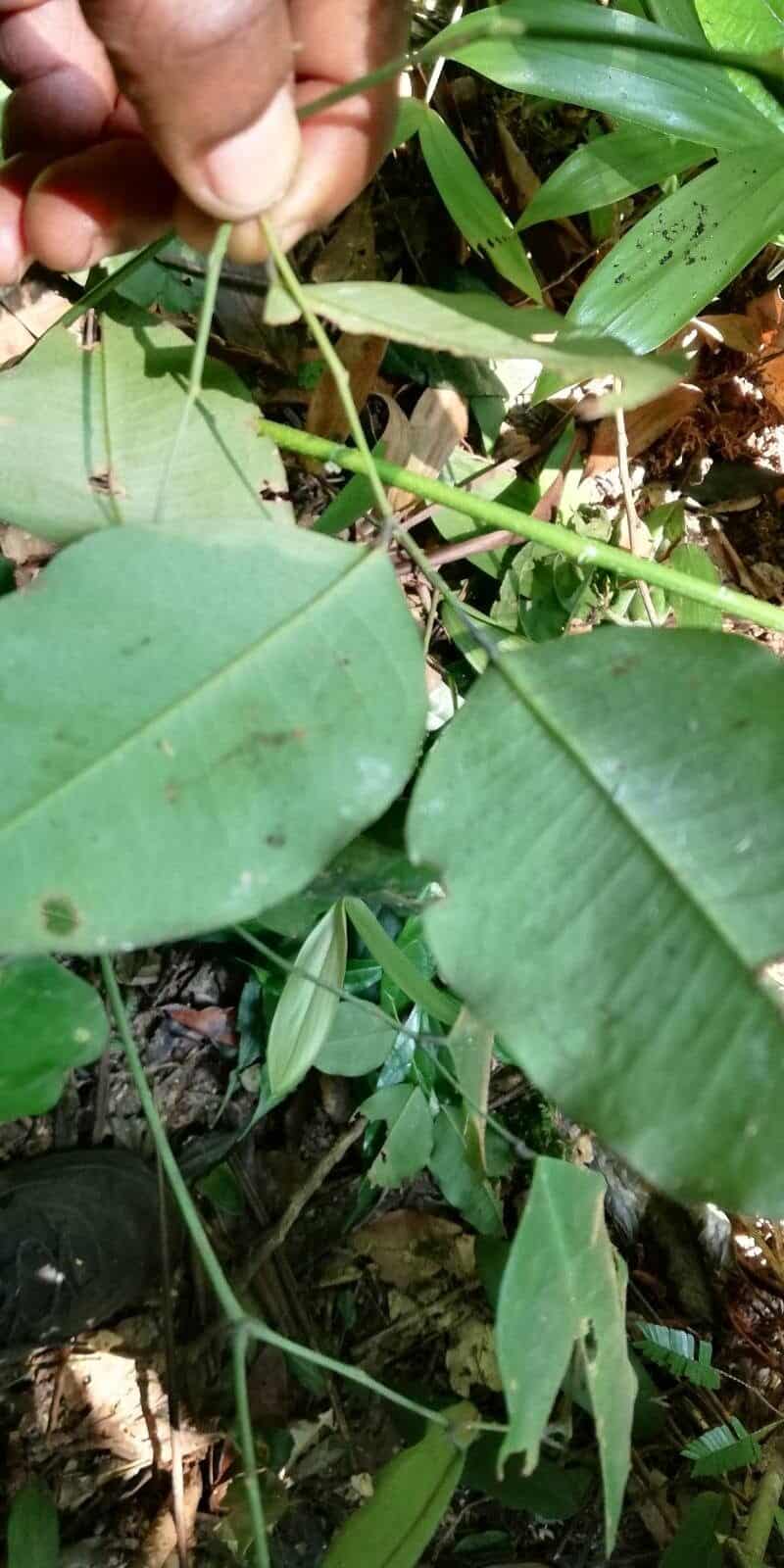
Unlocking the Secrets of Dialium polyanthum: A Guide to Propagation
Dialium polyanthum, also known as the velvet tamarind or keranji, is a tropical fruit tree prized for its velvety brown pods and sweet-tart pulp. Native to Southeast Asia, this tree isn’t as widely known as its tamarind cousin but boasts equally delicious fruit and impressive timber qualities. Intrigued? Then you might be wondering, "Can I grow this exotic tree myself?"
The answer is a hopeful "maybe" – while not commonly found in nurseries, propagating Dialium polyanthum is possible with some patience and the right techniques.
Two Paths to Propagation: Seeds vs. Cuttings
Two primary methods exist for propagating Dialium polyanthum: seeds and cuttings. Each comes with its own set of advantages and challenges:
1. Seed Propagation:
- Pros: This is the most common and accessible method. Seeds are readily available online or from mature fruit.
- Cons: Seed germination can be slow and unpredictable. Some seeds might take months to sprout, while others might not germinate at all.
2. Cutting Propagation:
- Pros: Cuttings generally offer a faster and more reliable way to get a new tree.
- Cons: This method requires access to a healthy, mature tree and demands more precise technique compared to seed propagation.
Seeds: Patience is Key:
Here’s how to propagate Dialium polyanthum from seeds:
- Seed Extraction and Preparation: Extract seeds from ripe, freshly opened pods. Clean off any pulp residue and allow the seeds to air dry for a day or two. Soaking the seeds in warm water for 24 hours before planting can help soften the outer shell and encourage germination.
- Sowing the Seeds: Plant the seeds in a well-draining seed starting mix, burying them about an inch deep.
- Warmth and Humidity: Dialium polyanthum thrives in warm, humid conditions. Use a seedling heat mat to maintain a soil temperature around 80-85°F (27-29°C) and cover the planting tray with a plastic dome or humidity dome to lock in moisture.
- Light and Water: Place the tray in a bright location, but out of direct sunlight. Keep the soil consistently moist but not waterlogged.
- Time to Sprout: Germination can take anywhere from a few weeks to several months. Don’t lose hope if you don’t see sprouts immediately!
Cuttings: A More Direct Approach:
Propagating from cuttings requires a bit more finesse:
- Taking the Cutting: Select a healthy, semi-hardwood stem from the current year’s growth. The stem should be about 4-6 inches long with several nodes. Make a clean cut just below a node.
- Preparing the Cutting: Remove the leaves from the lower half of the cutting and dip the cut end in rooting hormone powder to encourage root development.
- Planting the Cutting: Plant the cutting in a pot filled with a well-draining rooting mix, burying it about 2 inches deep.
- Creating a Humid Environment: Cover the pot with a clear plastic bag or place it inside a humidity chamber to maintain high humidity.
- Light and Water: Place the cutting in a bright location, but out of direct sunlight. Keep the soil consistently moist.
Rooting can take several weeks. Once you see new growth, you’ll know the cutting has successfully rooted.
Nurturing Your New Dialium Polyanthum
Whether you choose to propagate by seeds or cuttings, once your Dialium polyanthum has rooted and put on new growth, it’s time to shift your focus to nurturing its development.
These tropical trees thrive in warm climates with plenty of sunlight. As they grow, they’ll need regular watering and well-draining soil. While relatively pest and disease-free, proper care will help them flourish.
With a little patience and effort, you can propagate and grow your own Dialium polyanthum tree and enjoy its unique fruit for years to come.