
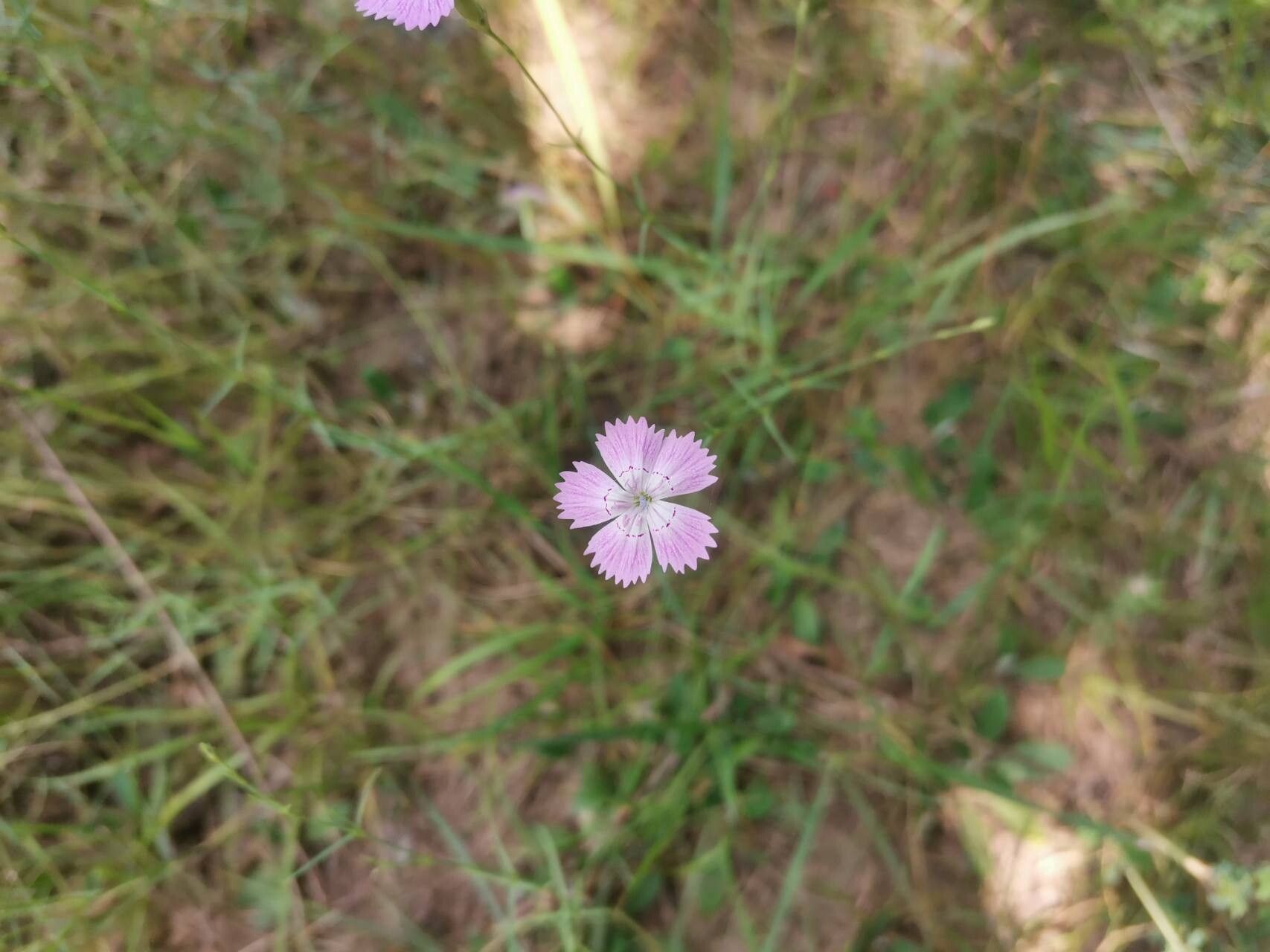
Pink Paradise: Multiplying Your Dianthus Campestris
Dianthus campestris, also known as the field pink, is a delightful flower native to parts of Europe and Asia. This charming plant graces gardens with its vibrant pink blooms and delicate scent, making it a favorite for both beginner and experienced gardeners. If you’re smitten with this beauty and want to see more of it gracing your outdoor spaces, propagation is the answer! This article delves into the two most effective methods for multiplying your Dianthus campestris.
1. Seed Starting: A Journey from Tiny Specks to Blooming Delights
Starting Dianthus campestris from seed is a rewarding experience, allowing you to witness the plant’s entire life cycle. Here’s how to do it:
- Timing is Key: Sow the seeds indoors 6-8 weeks before the last frost in your region.
- Sowing the Seeds: Use a seed starting mix and sprinkle the seeds on the surface, pressing them lightly. Dianthus seeds need light to germinate, so avoid burying them deeply.
- Water and Sunshine: Keep the soil consistently moist but not waterlogged. Place the tray in a bright location, but avoid direct sunlight which can be too intense for young seedlings.
- Transplanting Time: Once the seedlings develop a couple of sets of true leaves and the danger of frost has passed, harden them off by gradually acclimating them to outdoor conditions. Choose a well-drained area in your garden that receives at least 6 hours of sunlight.
2. Cuttings: Creating Clones of Your Favorite Blooms
Taking cuttings is another excellent way to propagate Dianthus campestris, especially if you want to replicate the characteristics of a specific plant:
- The Right Time: The best time for taking cuttings is late spring or early summer when the plant is actively growing.
- Selecting the Cuttings: Choose healthy, non-flowering stems that are about 3-4 inches long. Using a clean, sharp knife or pruning shears, make a cut just below a leaf node.
- Preparing the Cuttings: Remove the lower leaves from the cutting, leaving only a couple of pairs at the top. Dip the cut end in rooting hormone (optional but recommended for faster results).
- Planting the Cuttings: Fill a pot with a well-draining potting mix. Make a small hole in the center and gently insert the cutting, ensuring the leaf nodes are buried.
- Creating a Humid Environment: Cover the pot with a plastic bag or a humidity dome to create a warm, moist environment. This helps in promoting root development.
- Patience is Key: Keep the potting mix consistently moist and place the pot in a bright location, away from direct sunlight. It may take several weeks for the cuttings to root. Once new growth appears, you can transplant them to larger pots or directly into your garden.
Caring for Your New Dianthus Campestris
Whether you choose to start from seed or cuttings, providing optimal care ensures your new Dianthus campestris thrive:
- Well-Drained Soil: Dianthus prefers well-drained soil. Amend heavy clay soils with sand or compost to improve drainage.
- Sunlight Requirements: Choose a location that receives at least 6 hours of sunlight per day.
- Watering: While Dianthus is relatively drought-tolerant, regular watering is crucial, especially during dry spells. Allow the soil to dry out slightly between waterings to prevent root rot.
- Deadheading: Regularly removing spent blooms encourages more flowering and keeps the plant looking tidy.
Propagating Dianthus campestris is a fulfilling experience that rewards you with a beautiful display of pink blossoms. By following these simple steps, you can easily multiply your plants and create a vibrant pink paradise in your own garden.