
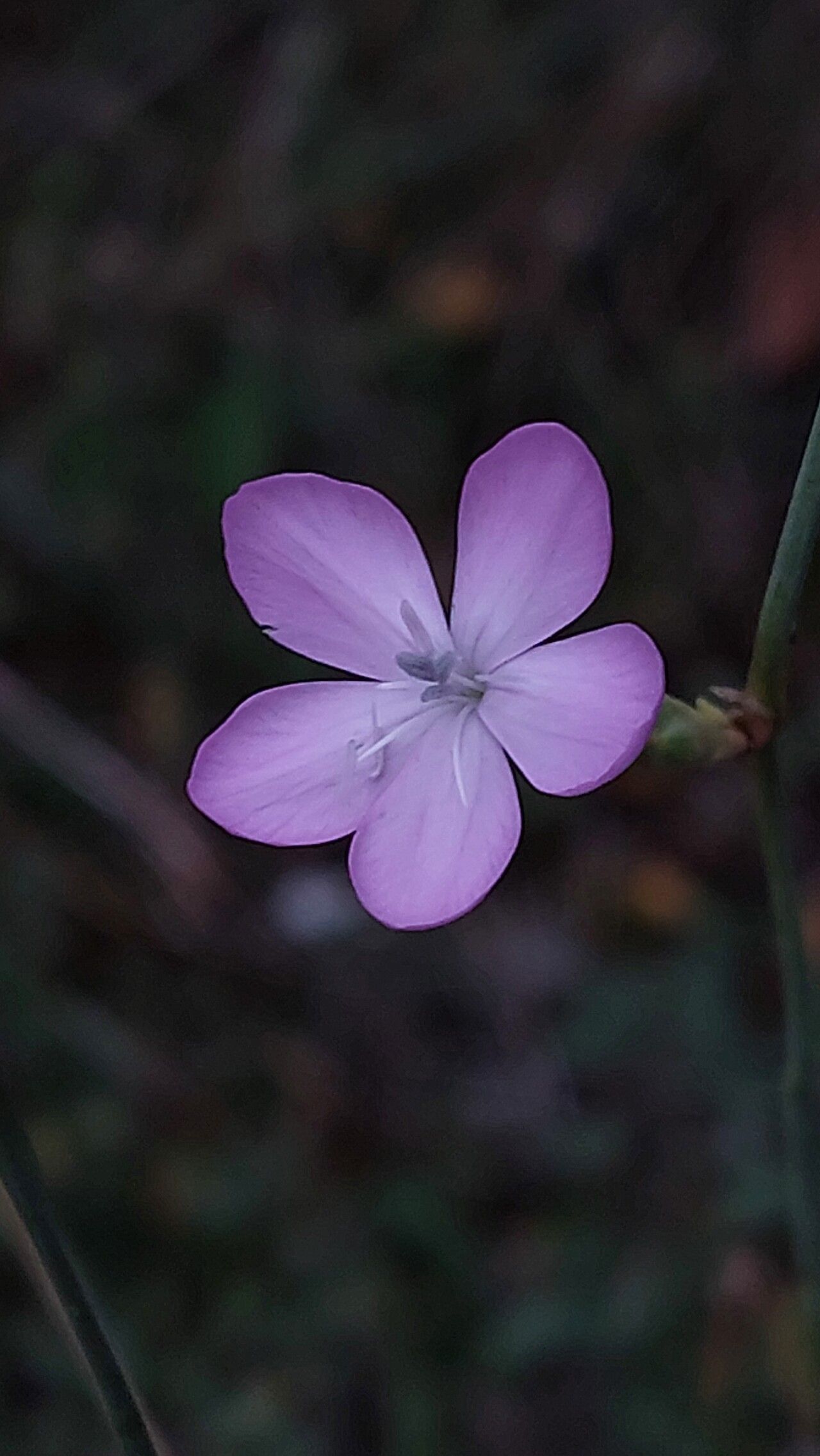
Sharing the Fringed Love: Propagating the Charming Dianthus Ciliatus
Dianthus ciliatus, also known as the Fringed Pink, is a captivating plant with delicate, fringed petals that bring a touch of whimsy to any garden. This low-growing perennial thrives in well-drained soil and sunny spots, gifting us with abundant blooms from late spring to early summer. While acquiring established plants is always an option, propagating your own Dianthus ciliatus is a rewarding experience that allows you to expand your garden with minimal cost. Let’s explore the two most effective methods for propagating this charming species: seed starting and taking cuttings.
1. Seed Starting: Nurturing New Life from Tiny Beginnings
Starting Dianthus ciliatus from seed is a relatively straightforward process that allows you to raise a large number of plants. Here’s how to do it:
- Timing is Key: Sow seeds indoors 6-8 weeks before the last expected frost. This ensures the seedlings have adequate time to develop before being transplanted outdoors.
- Sowing the Seeds: Use a seed starting mix that is light and well-draining. Scatter the seeds thinly across the surface and lightly press them into the soil, but avoid burying them deeply as they require light to germinate.
- Warmth and Moisture: Maintain a consistent temperature of around 70°F (21°C) for optimal germination. Keep the soil consistently moist by misting with water or using a bottom-watering method to prevent disturbing the seeds.
- Patience is a Virtue: Germination can take anywhere from 1 to 3 weeks. Once the seedlings emerge and have developed their first set of true leaves, thin them out to ensure adequate spacing for growth.
- Transplanting Time: When the risk of frost has passed, gradually acclimatize your seedlings to outdoor conditions by hardening them off. This involves introducing them to the outside environment for progressively longer periods each day. Once acclimated, transplant them to your desired location in the garden.
2. Taking Cuttings: Cloning Your Favorite Blooms
Taking cuttings is another effective method for propagating Dianthus ciliatus, especially if you want to ensure plants identical to the parent. Follow these steps:
- Timing Matters: Early summer, when the plants are actively growing, is the ideal time for taking cuttings.
- Selecting the Cuttings: Choose healthy, non-flowering stems that are about 3-4 inches (7-10 cm) long.
- Preparing the Cuttings: Using a sharp, sterilized knife or shears, make a clean cut just below a leaf node (the point where the leaf attaches to the stem). Remove the lower leaves from the cutting, leaving only a few at the top.
- Encouraging Root Development: Dip the cut end of the stem in rooting hormone powder to encourage faster and more successful root development.
- Planting the Cuttings: Insert the cuttings into a pot filled with a well-draining rooting mix, ensuring the leaf nodes are buried. Water gently and cover the pot with a plastic bag to create a humid environment.
- Monitoring and Care: Keep the cuttings in a warm, bright location out of direct sunlight. Check the soil moisture regularly and mist the cuttings to maintain humidity.
- Transplanting: After about 4-6 weeks, the cuttings should have developed roots. You can gently tug on them to test for resistance. Once rooted, transplant them into individual pots or your desired location in the garden.
A Garden Filled with Fringed Beauty:
Propagating Dianthus ciliatus is truly a rewarding endeavor. With a little patience and care, you can easily multiply your collection of these delightful plants, filling your garden with their unique beauty and charming fringed blooms for seasons to come.